
Design from field use backward
Turn each pursuit into a product-development brief.
The same jacket cannot solve every hunt in the same way. We help brands define activity, exposure, sound, equipment, visibility and concealment requirements before product and material decisions are locked.
Product-development visualization. Specifications and evidence follow the approved brief.
Pursuit is a technical input
Define what the hunter does, carries and encounters.
Game labels matter only when translated into observable use requirements. A strong pursuit brief covers movement, waiting time, terrain contact, weather exposure, equipment interfaces and applicable market requirements.
Activity
Distance, elevation, pace and the balance between movement and stationary time.
Exposure
Wind, rain, humidity, mud, heat, cold and the duration of each exposure.
Sound and visibility
Required movement quietness, concealment distances and any visibility obligations set by the selling market.
Equipment
Packs, harnesses, waders, firearms, bows and accessories that affect fit or access.
Six starting profiles
Use pursuit chapters to organize—not stereotype—the range.
These profiles identify common design pressures. The final brief still needs the brand's target market, season, user and product position.
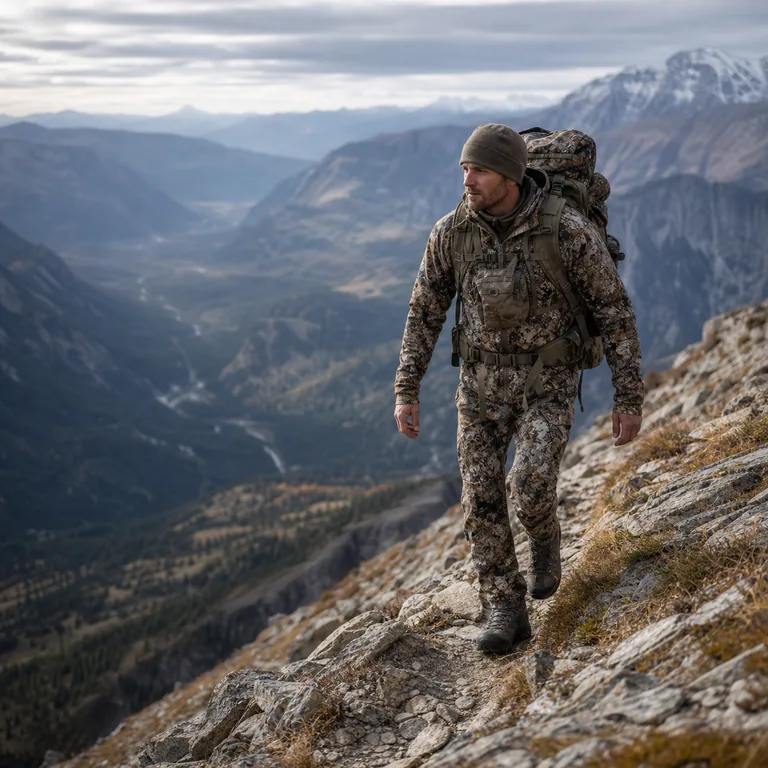
Backcountry
High-output movement, pack contact, weight discipline, abrasion mapping and fast weather changes.
Explore this decision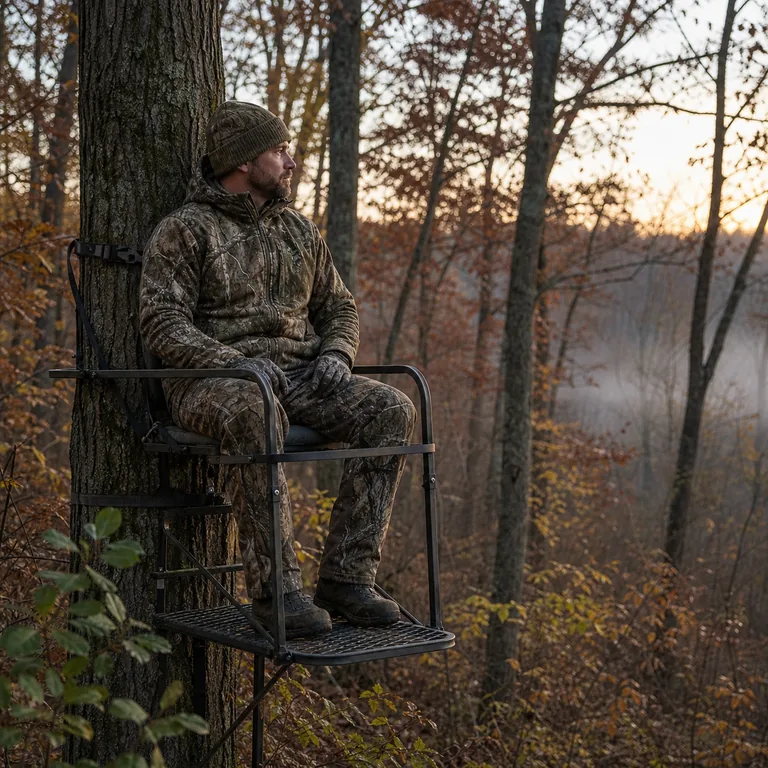
Whitetail
Extended stationary periods, close-range sound control, cold exposure and harness or bow clearance.
Explore this decision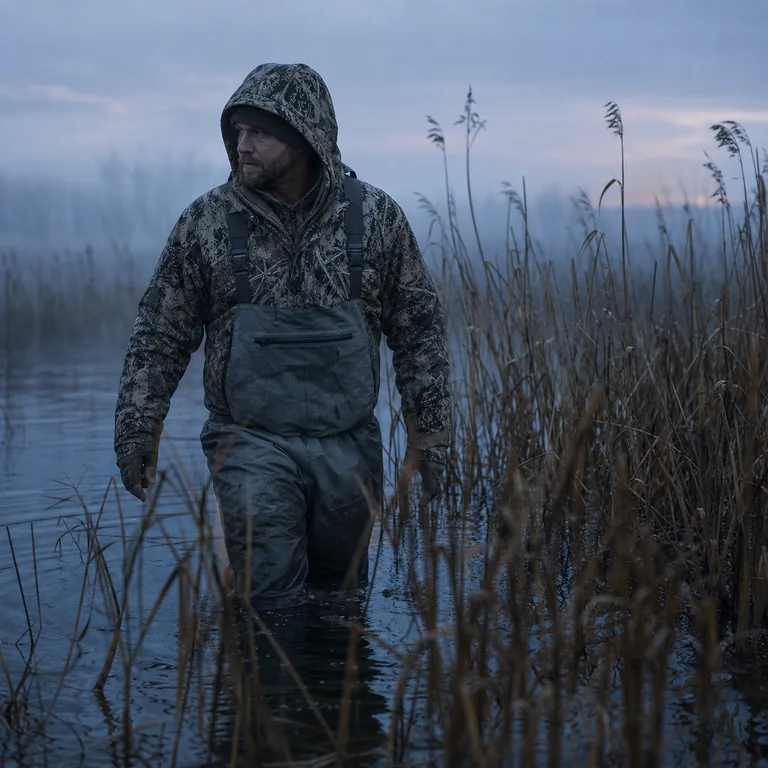
Waterfowl
Wet, windy and muddy use, seated coverage, glove operation and interfaces with boots or waders.
Explore this decision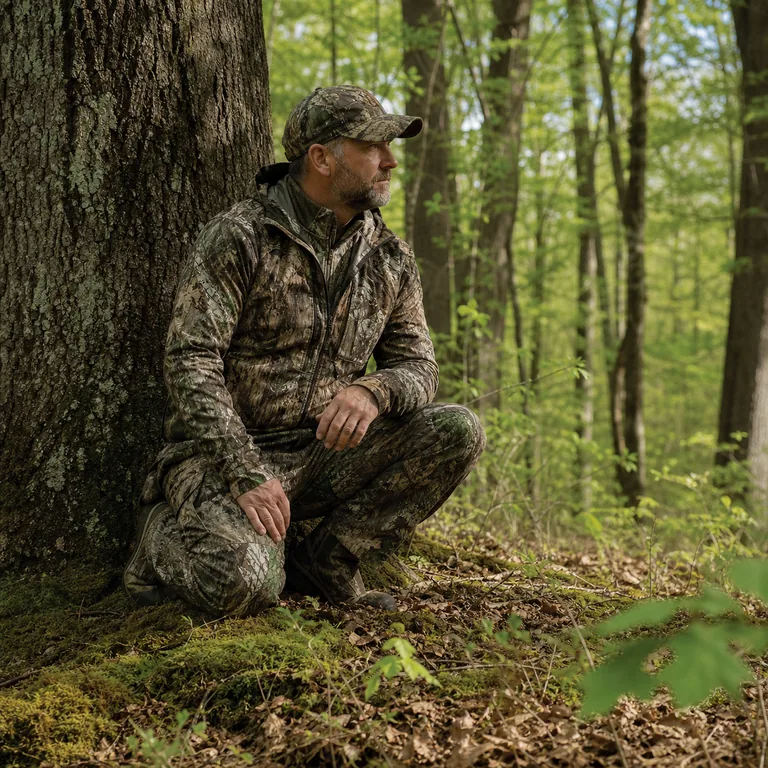
Turkey
Quiet repositioning, ventilation, concealment, seated movement and immediate accessory access.
Explore this decision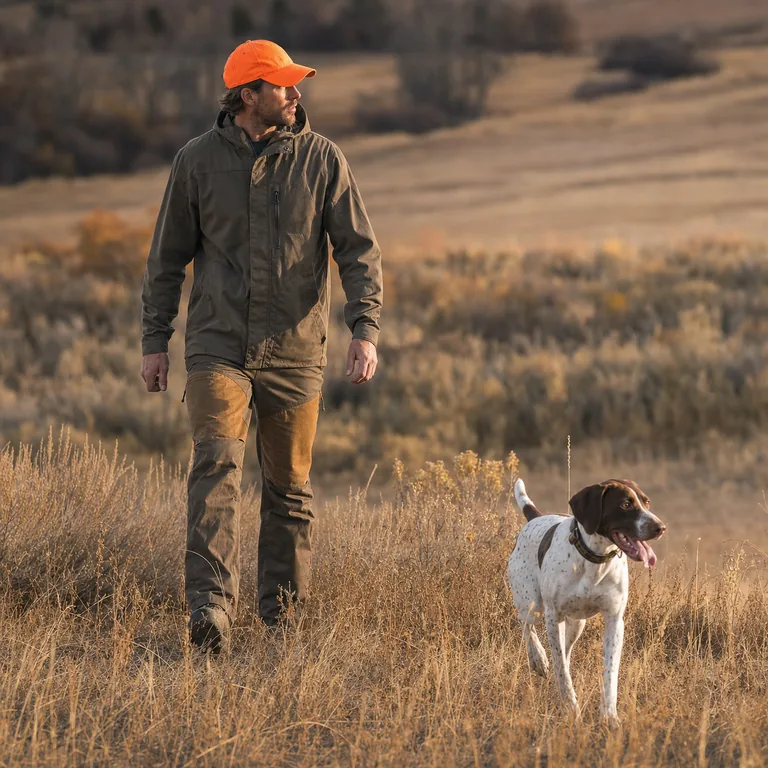
Upland
Continuous movement, brush contact, shooting mobility, visibility needs and durable easy-care zones.
Explore this decision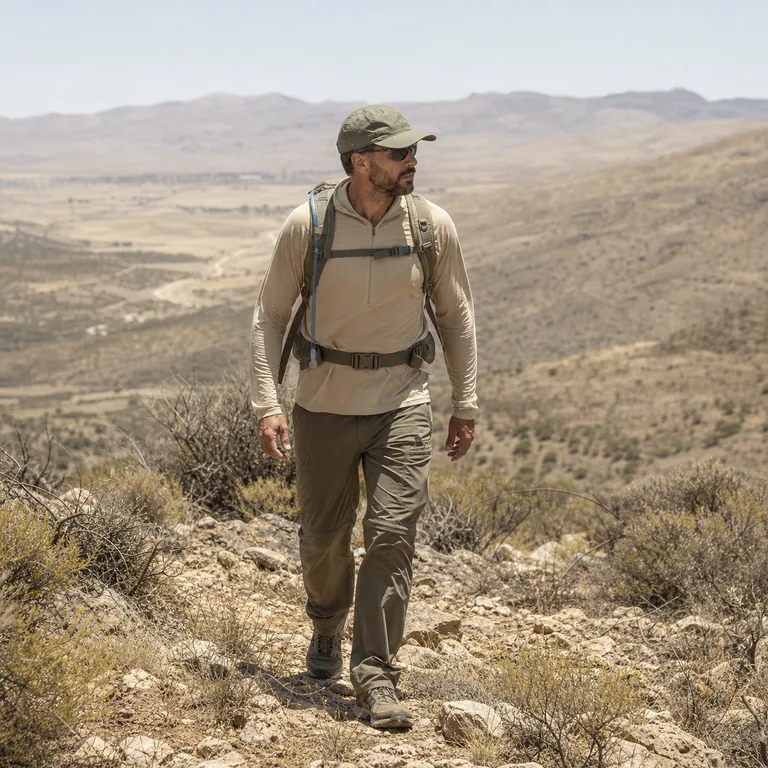
Hot climate
Air exchange, quick drying, lightweight coverage and options for sun or insect exposure.
Explore this decisionCompare design pressure
Different missions reorder the same priorities.
A backcountry shell may put weight and pack compatibility first, while a close-range stationary system can place more emphasis on quiet movement and retained warmth. A waterfowl product may give greater weight to wet handling and coverage.
What the buyer should prepare
Rank activity, weather, sound, abrasion, concealment and equipment—not just climate.
Identify the highest-risk failure for each pursuit before selecting materials.
Document visibility and safety requirements for the intended selling market.
Separate brand positioning from testable garment claims.
Set fit and access checks using the equipment the end user will actually carry.
From pursuit to range
Convert the profile into layer and product priorities.
The pursuit brief should lead directly to a system map. It defines which product families launch first, where materials need to change and which interfaces or evidence questions deserve early prototypes.
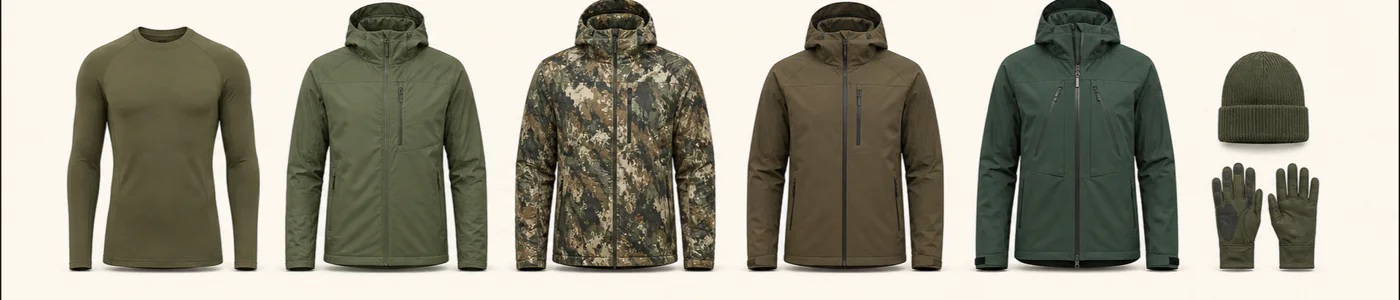
Movement-led system
Build from moisture movement, venting, low bulk and pack-zone durability, then add weather protection by exposure risk.
Stationary-cold system
Build from retained warmth, wind management, coverage and low-noise access, with compatible base and insulation layers.
Wet-environment system
Build from coverage, protected openings, interface control and a validation plan for the finished article.
Buyer inputs
A useful pursuit brief is specific enough to test.
Provide the market, season, terrain, typical hunt duration, activity profile, equipment and expected layer combinations. We can then map product priorities and determine which assumptions need prototypes or validation.
What the buyer should prepare
Target species or pursuit and primary selling countries.
Typical movement, stationary time and environmental exposure.
Equipment, pack, harness, footwear or wader interfaces.
Concealment, color and visibility requirements.
Claims the brand wants to make and evidence expected for approval.
Project questions
Frequently asked questions
Answers specific to pursuit systems development.
Yes, when the shared requirements are explicit. The brief should also state where trade-offs are acceptable and which pursuit sets the most demanding fit, construction or exposure requirement.
The brand remains responsible for identifying applicable legal and market requirements. We can incorporate confirmed visibility, labeling or product requirements into the development brief.
Not necessarily. The decision depends on terrain, season, viewing distance, brand strategy and artwork rights. A custom pattern should have a defined visual job and manufacturable print plan.
Backcountry, whitetail and waterfowl are the priority because their activity, exposure, sound and equipment requirements separate clearly. Each dedicated page should wait until unique content and evidence are ready.
Next development gate
Build by Pursuit
Share the product mission, target customer and known requirements for your hunting wear pursuit system brief. We will use them to frame the next technical conversation.