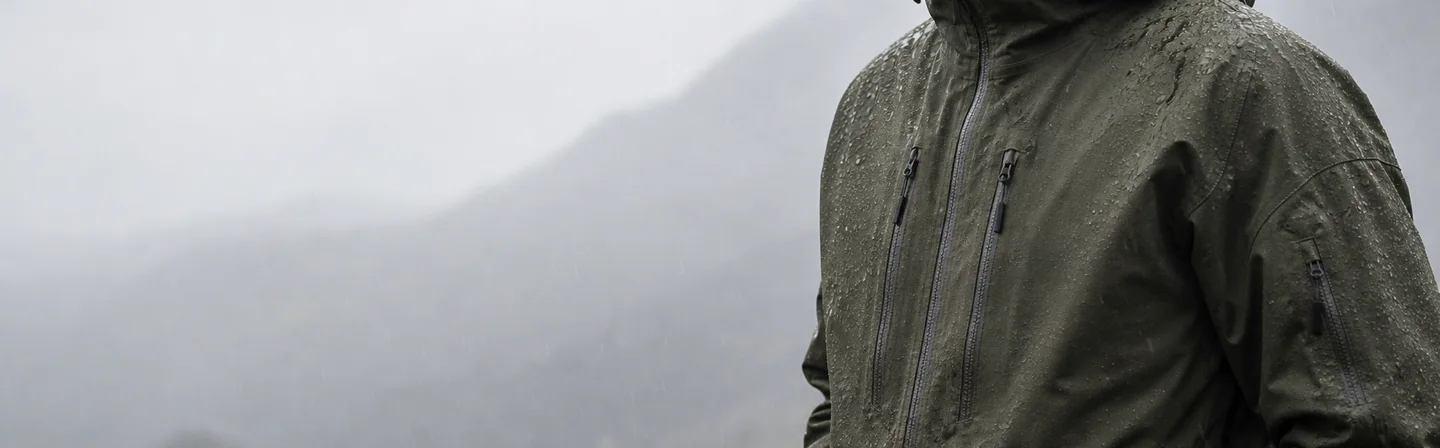
OEM + ODM hunting-wear development
Engineered inside.
Performance outside.
Purpose-built hunting-wear systems developed for real conditions, real movement and brand-specific product briefs—from concept to field-ready sample.
Start your projectBuild by mission
Tailor every system to how and where your customer hunts.
The six-layer system
Build protection
in sequence
From moisture control to weather protection, each layer answers a different field condition.
Explore layering systemsView product rangeDefine climate, pursuit and movement before material selection.
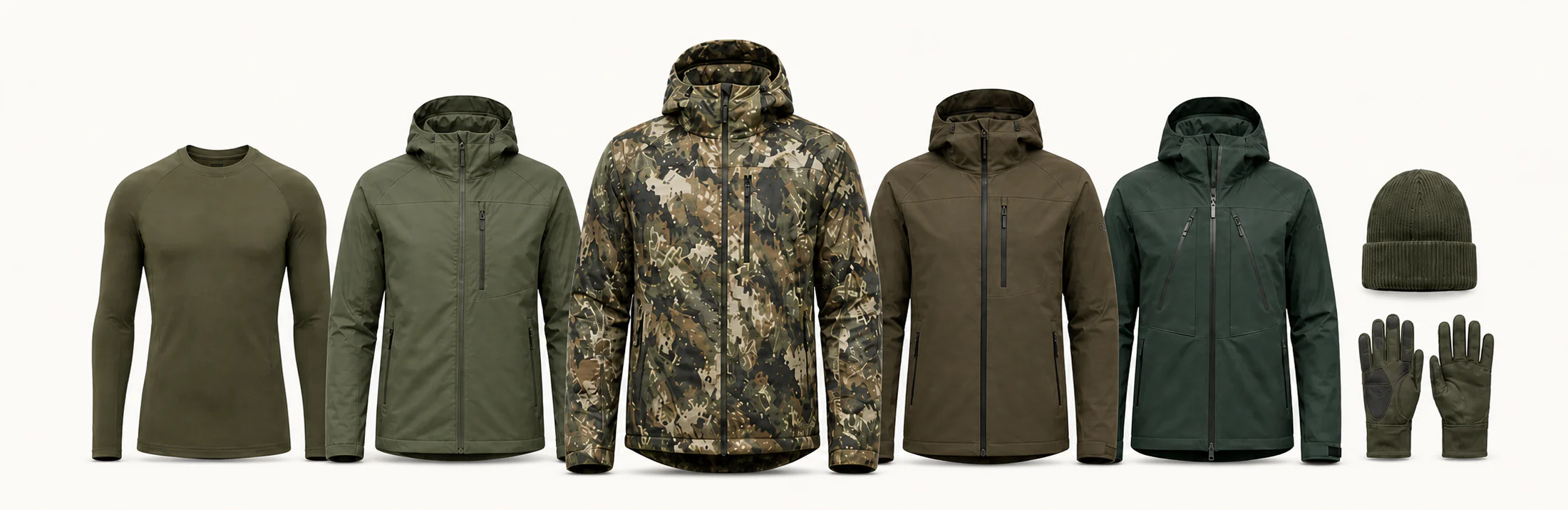
Build protection in sequence
From moisture control to weather protection, each layer answers a different field condition.
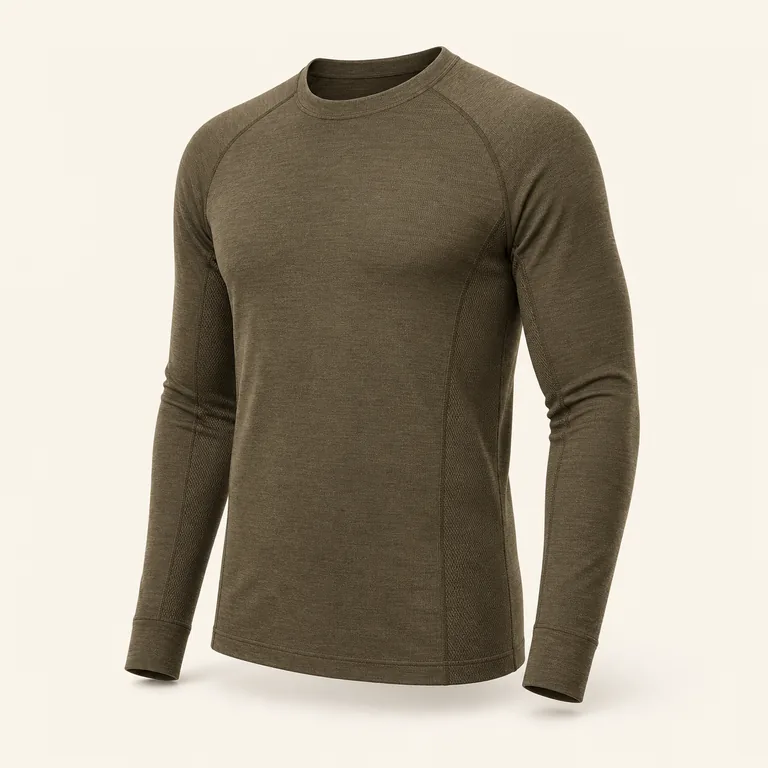
Moisture management
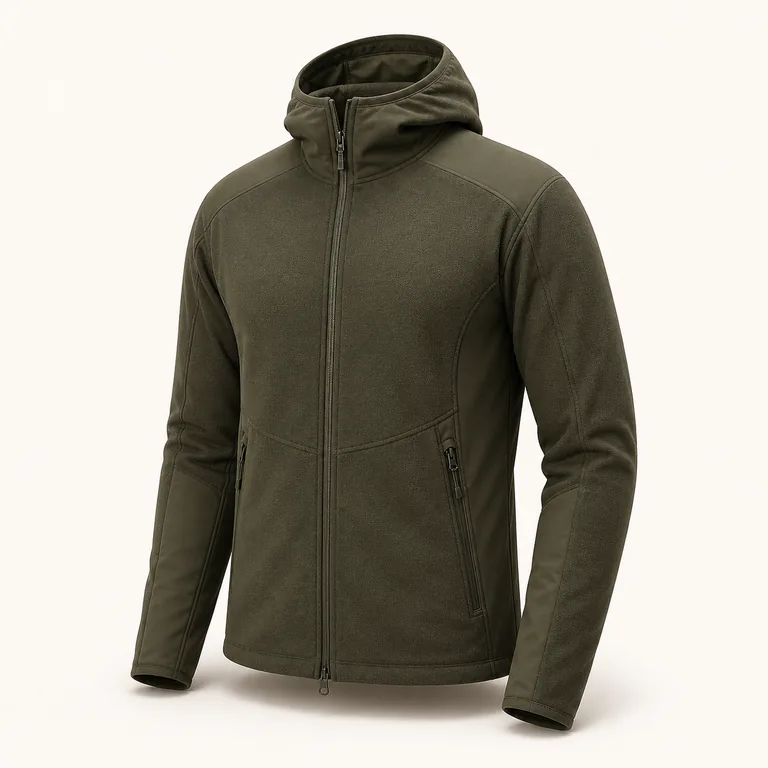
Breathable warmth
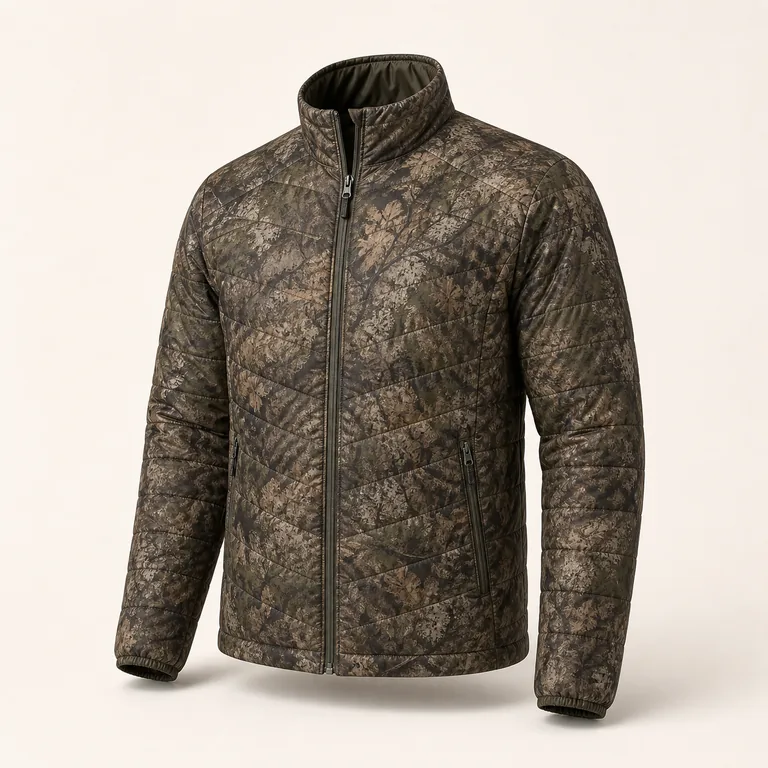
Core warmth
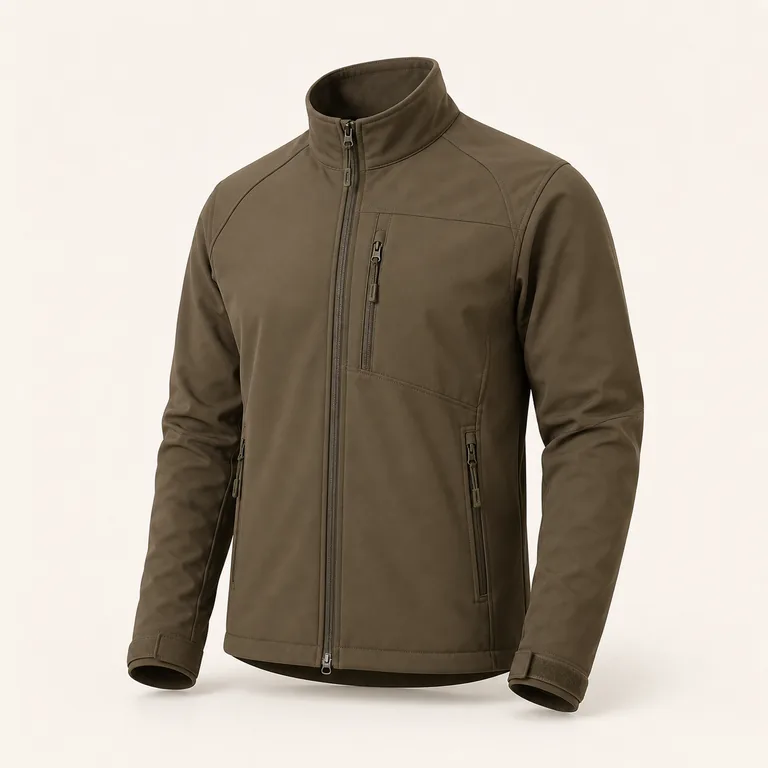
Wind and abrasion
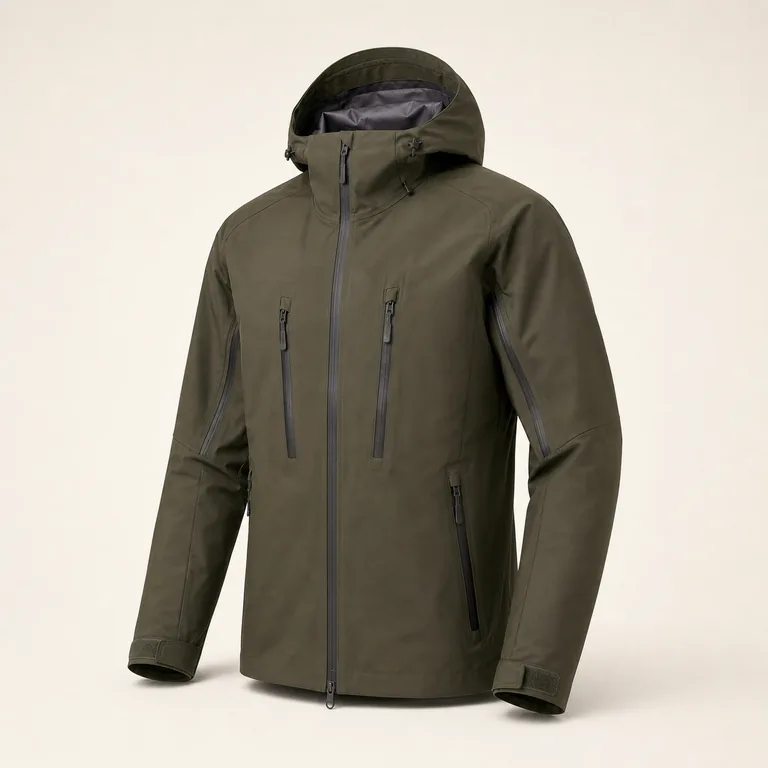
Weather protection
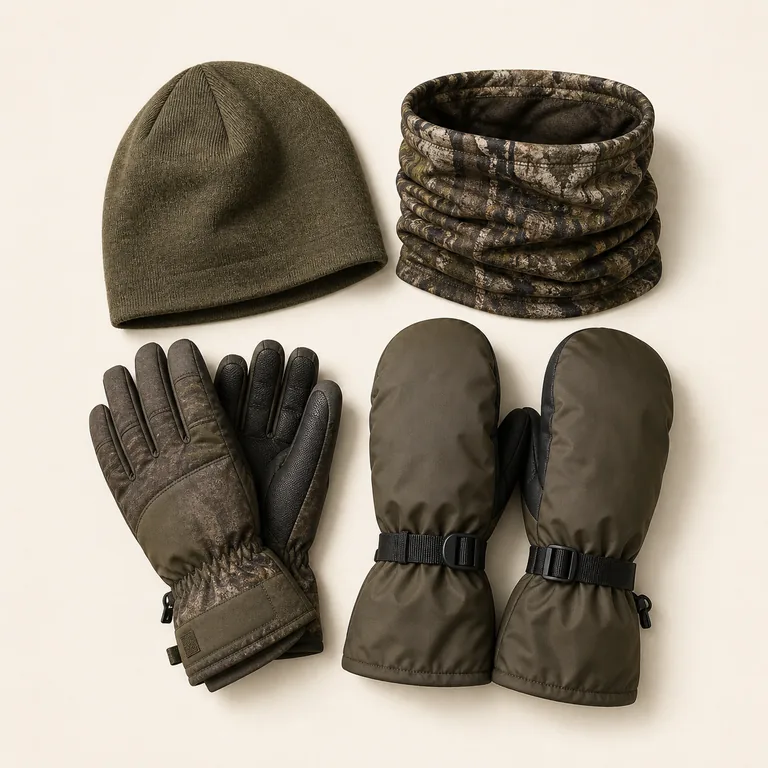
Versatility and utility
Swipe to explore all six layers
Material architecture
Engineered for protection, comfort and long-term performance.
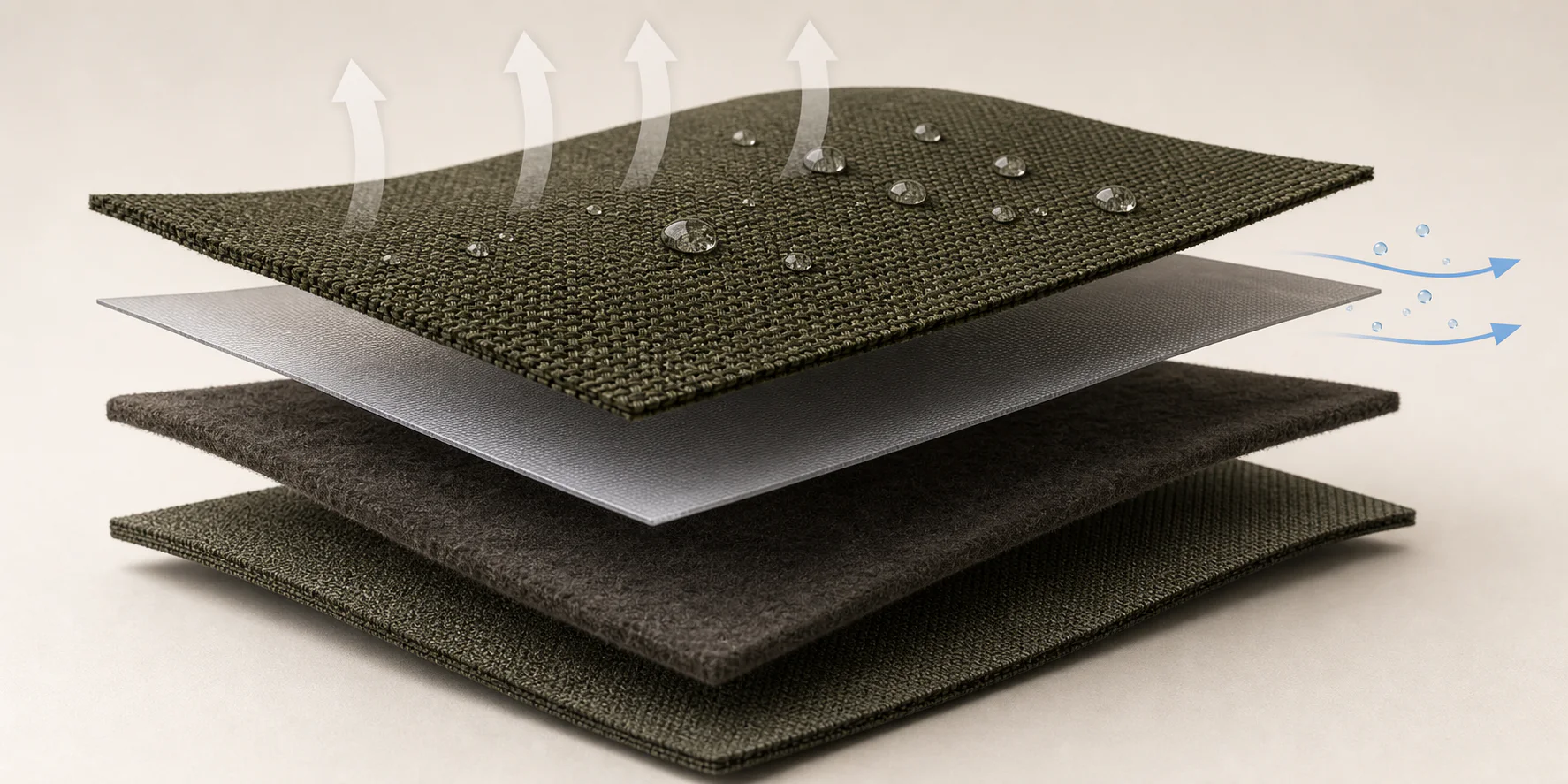
Material architecture
Abrasion-conscious textile options for brush, rock and repeated use.
Waterproof and breathable packages specified around your use case.
Soft, quiet next-to-skin and mid-layer options for extended wear.
Moisture management, structure and protection where the system needs it.
Technical construction
Construction choices designed around exposure, movement, noise and repairability.

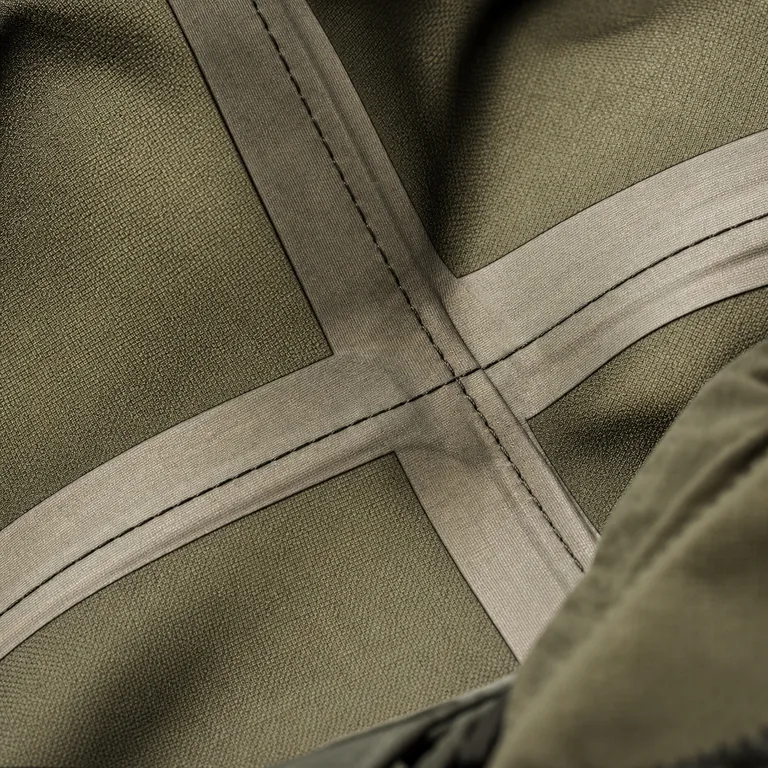 Fully sealed seams
Blocks water paths when specified and validated.
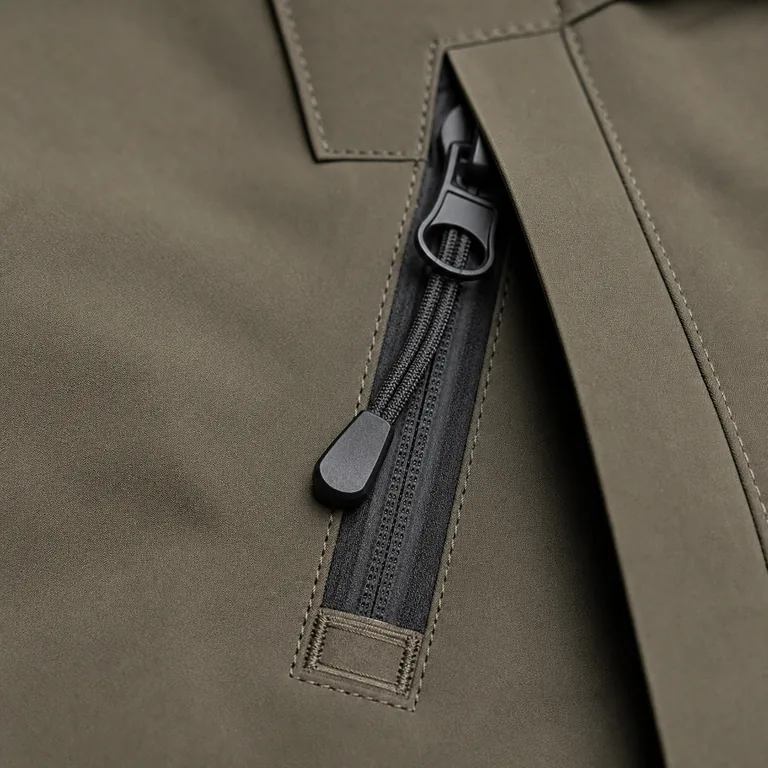 Protected openings
Zippers, pockets and vents designed around exposure.
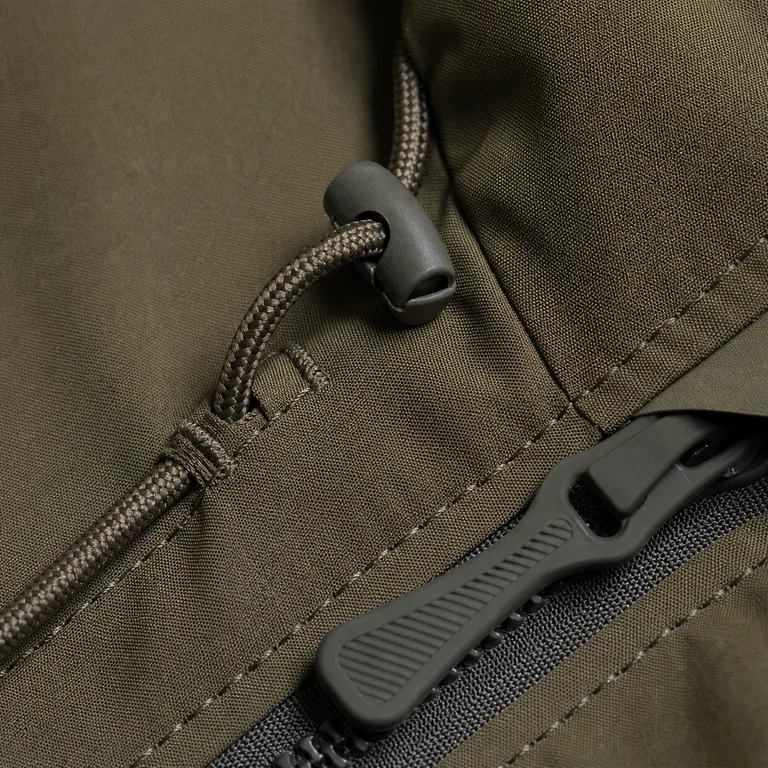 Quiet, reliable hardware
Component selection balanced for use and durability.
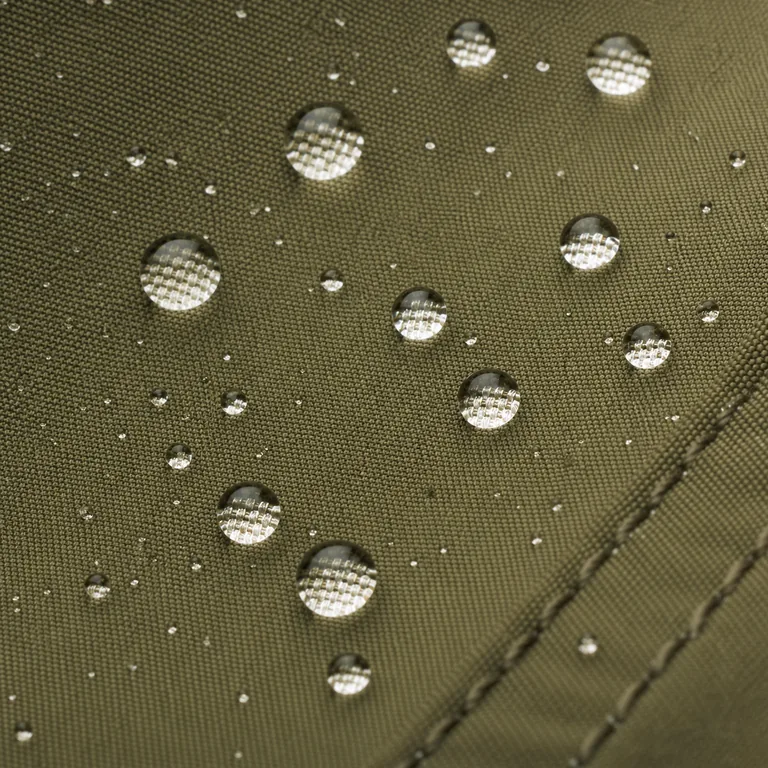 DWR treatments
Durable water repellency options matched to the fabric system.
Custom camouflage development
Original, purpose-built pattern programs developed for your terrain, customer and product architecture.

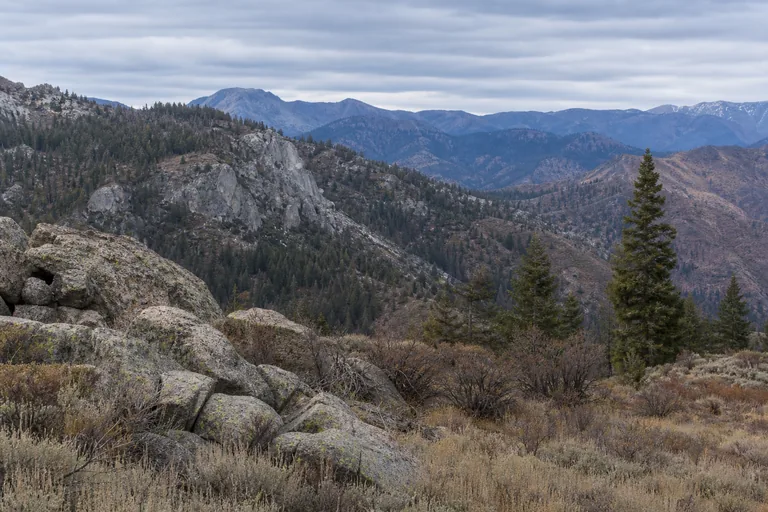 Terrain research
Study color, contrast, scale and viewing distance.
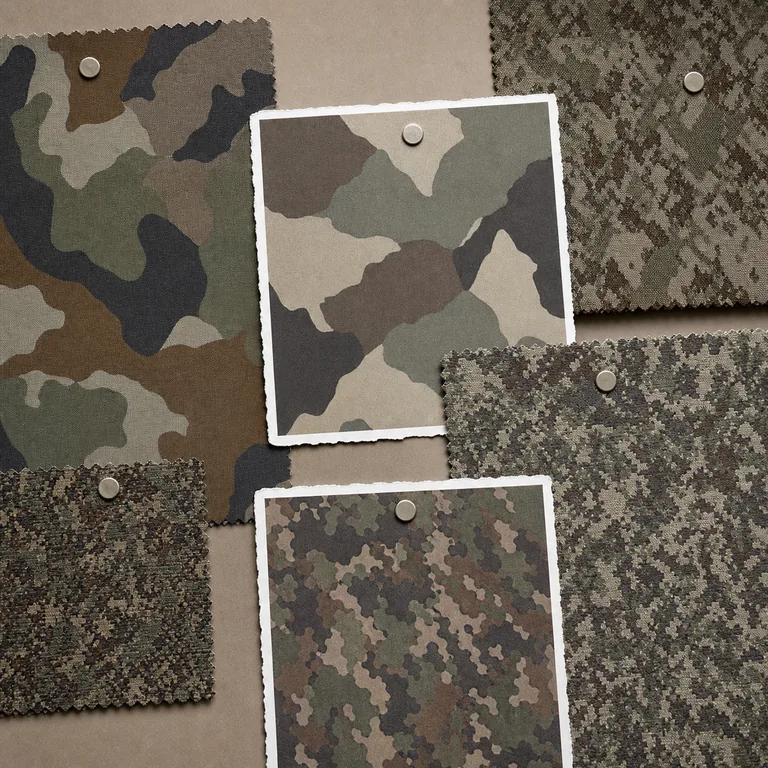 Macro and micro design
Build breakup at multiple visual scales.
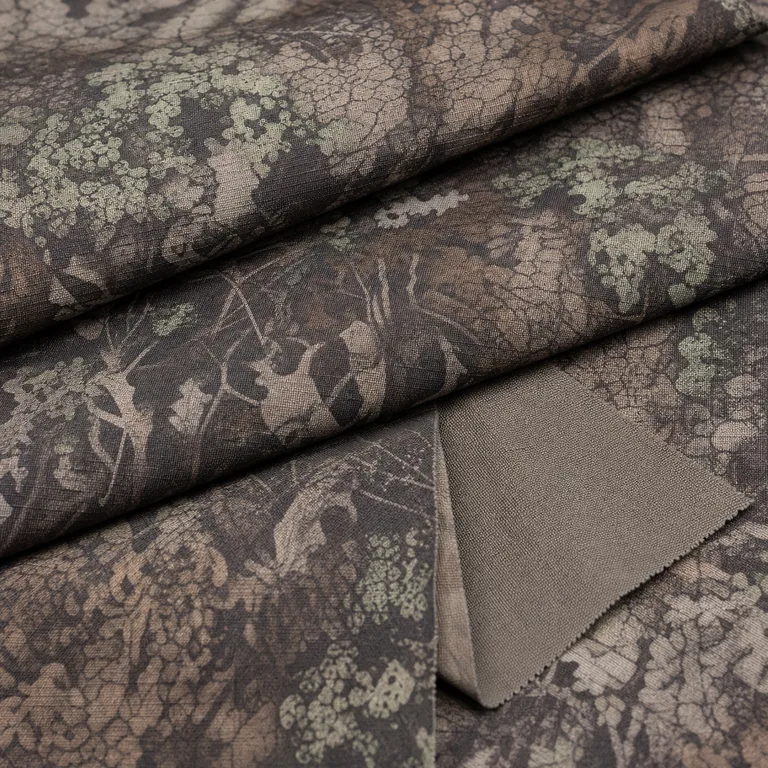 Strike-off
Review color, repeat and print behavior on the target fabric.
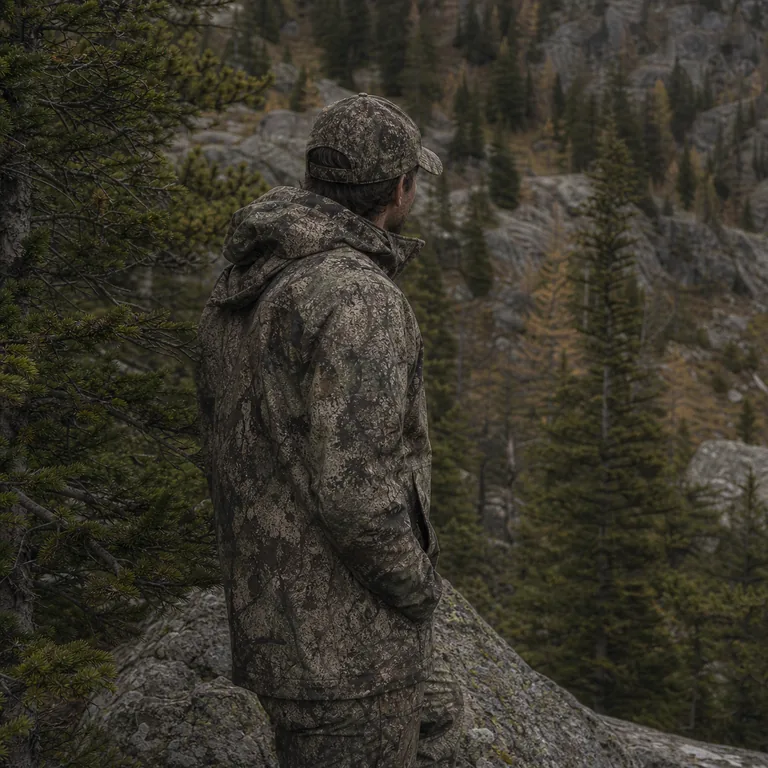 Placement and test
Map panels, sample the garment and validate in context.
Pursuit chapters
Build the system around how, where and when your customer hunts.
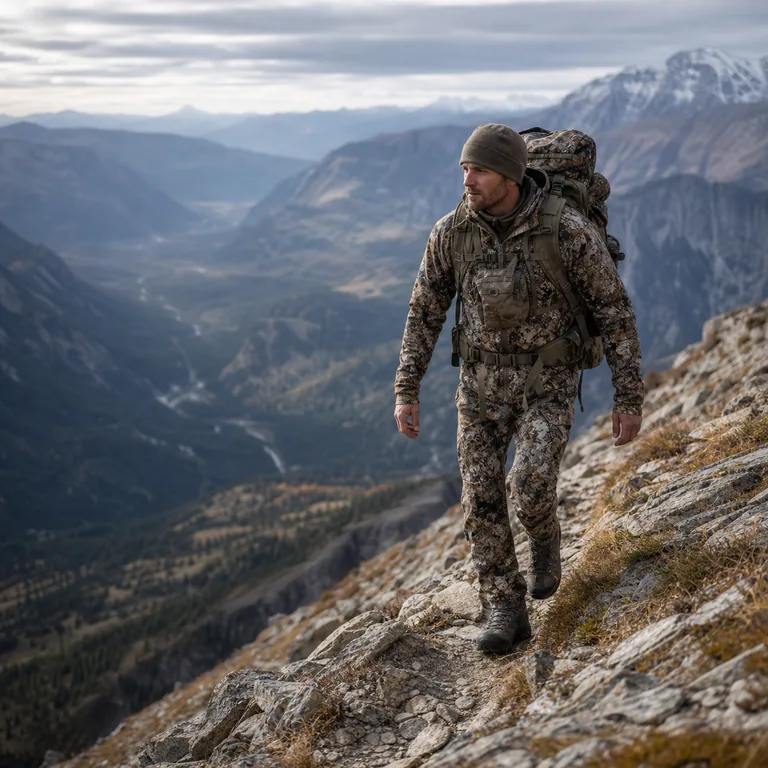
High-country missions
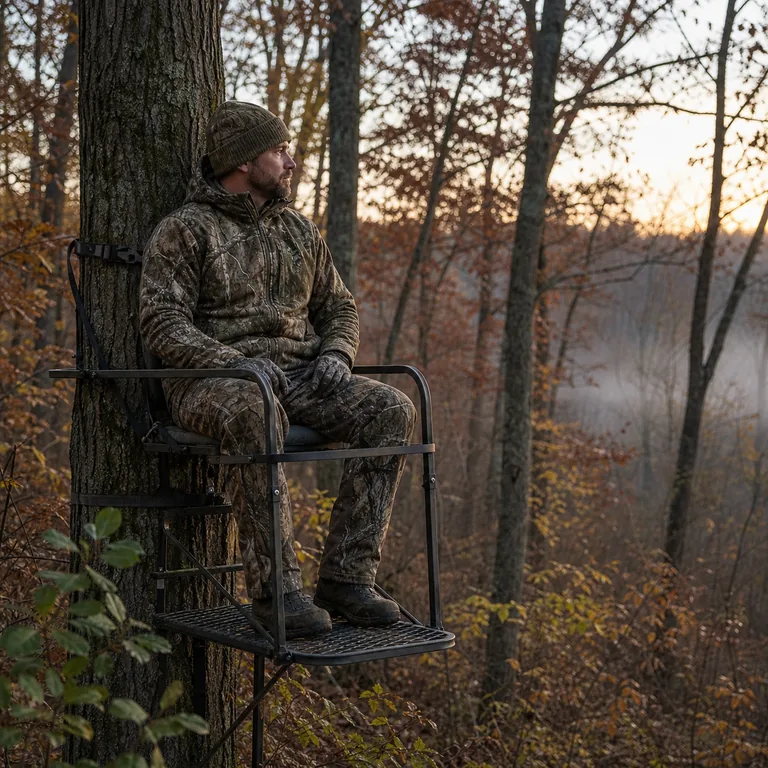
Mid-season sits
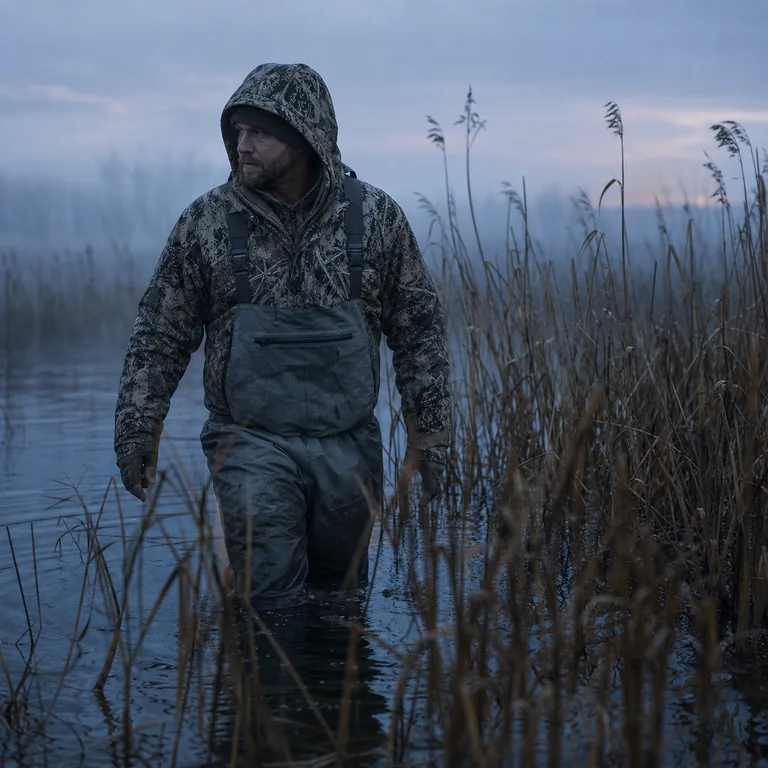
Wet, cold, early starts
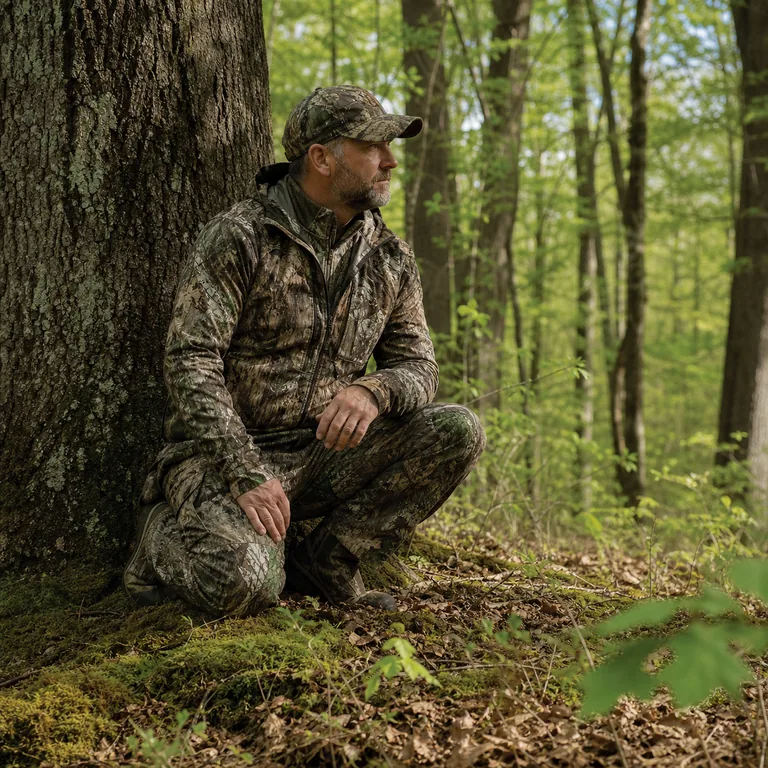
Spring woods
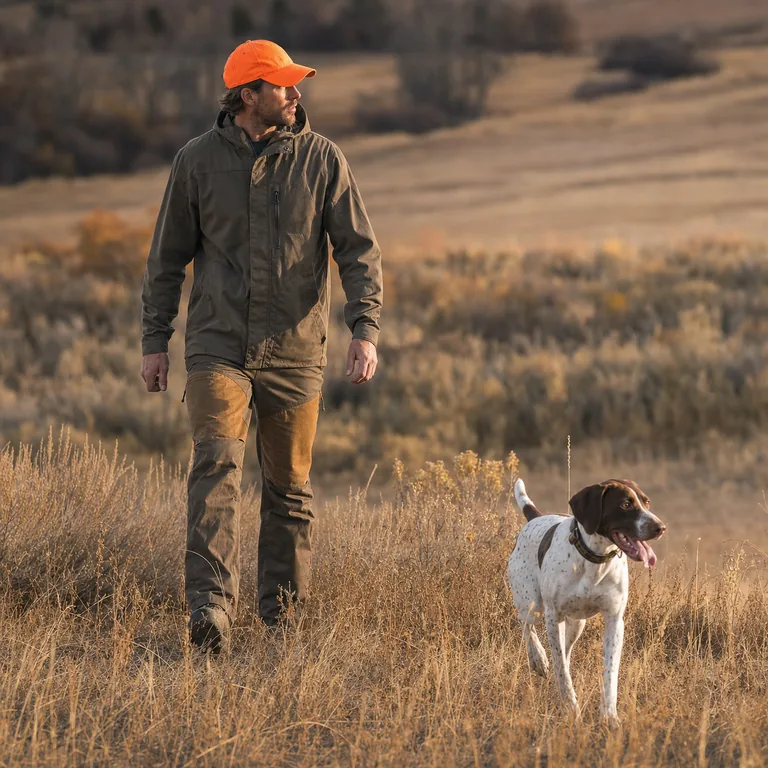
Cover and movement
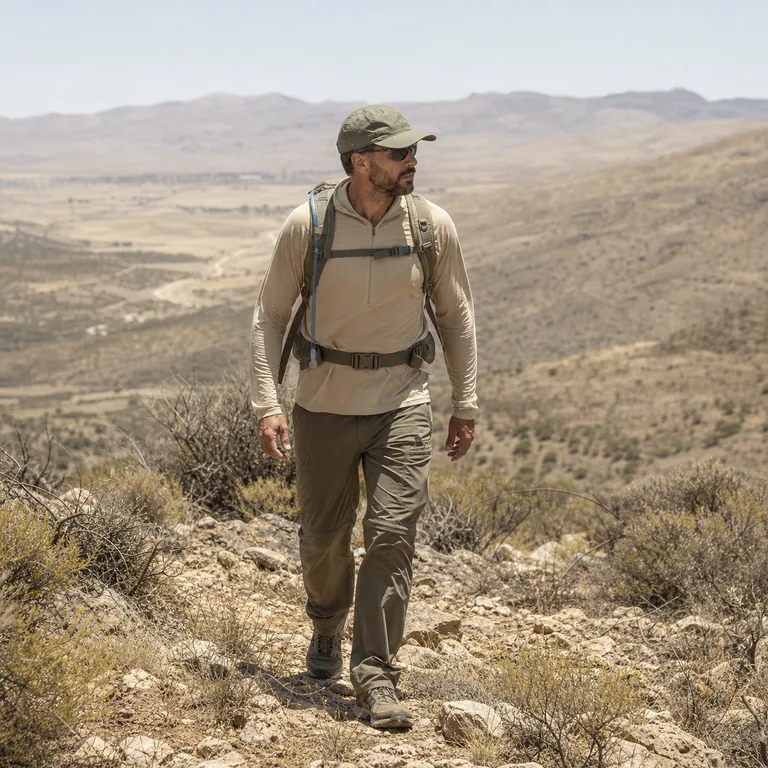
Heat, sun and distance
Swipe to explore every pursuit
Fit and mobility
Engineered to move with the user and the equipment.
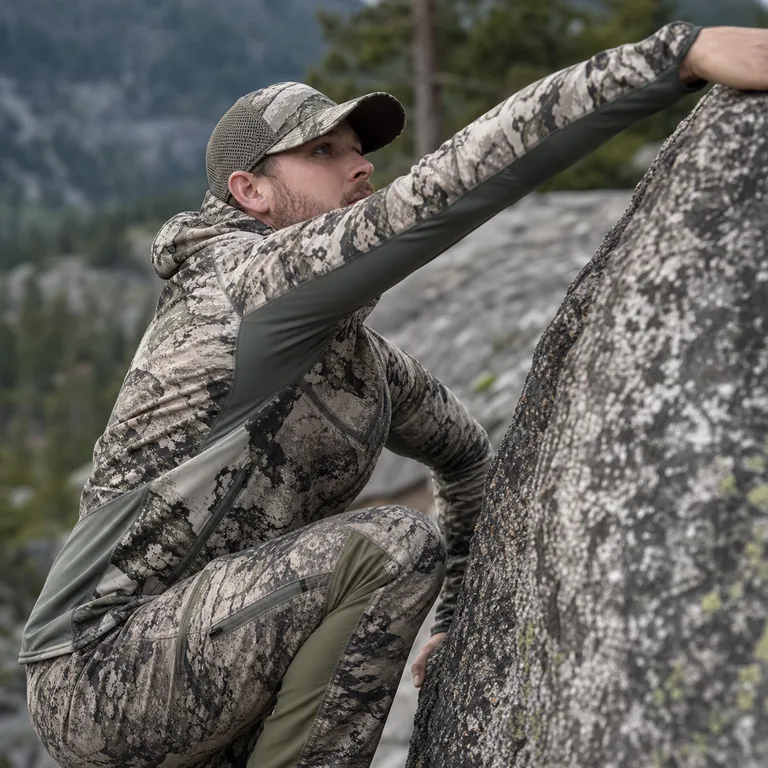 Full range of motionReach, draw, climb and crawl.
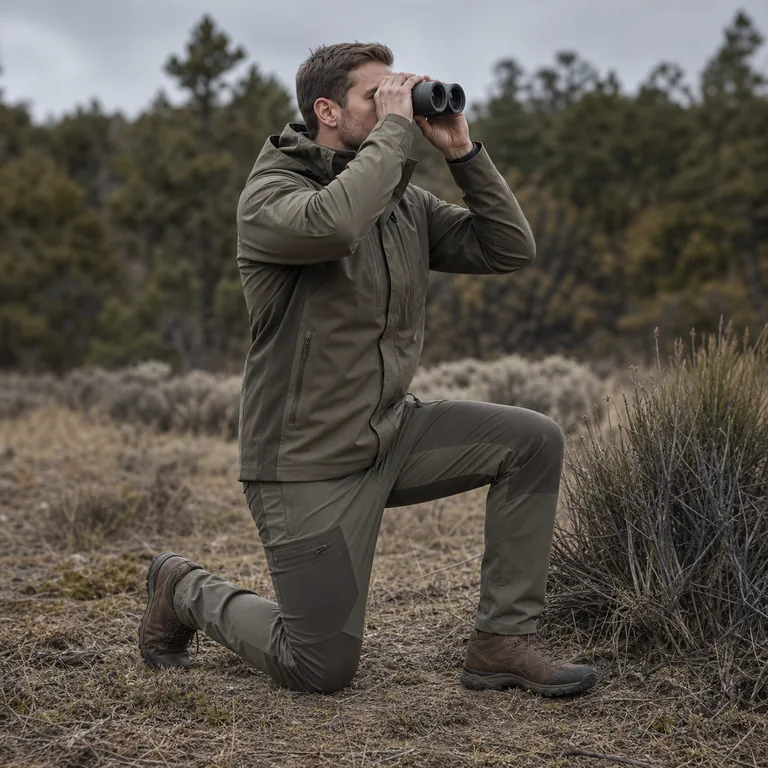 Kneel and shoot readyArticulated for stable field positions.
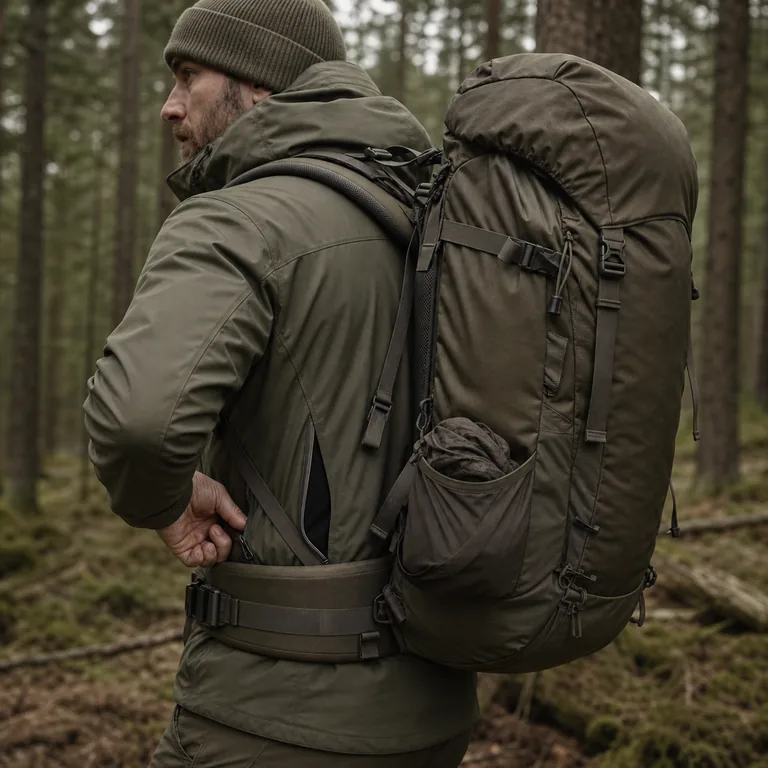 Pack compatibilityDesigned around straps, belts and carried load.
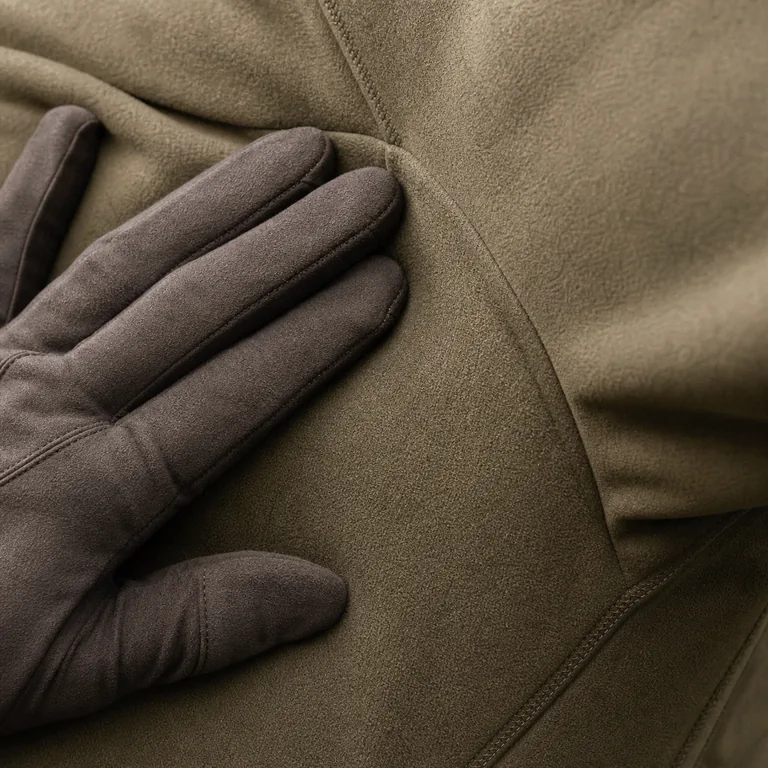 Quiet by designReduce friction points and unnecessary movement noise.Full range of motion
Reach, draw, climb and crawl.
Kneel and shoot readyArticulated for stable field positions.
Pack compatibilityDesigned around straps, belts and carried load.
Quiet by designReduce friction points and unnecessary movement noise.
Mission-to-production process
Eight stages. One goal: a hunting-wear system that performs to the approved brief.
- 1Discover
Mission, climate and use conditions.
- 2Define
System requirements and targets.
- 3Design
Concepts, materials and construction.
- 4Develop
Patterns, prototype and refinement.
- 5Test
Field and lab plan for the brief.
- 6Validate
Fit, function and durability review.
- 7Produce
Approved quality into repeatable bulk.
- 8Support
Reorders and continuous improvement.
Performance evidence
Claim-by-claim proof
Every market-facing performance claim should be backed by an agreed test or evidence plan.

Weather protection
Hydrostatic head, spray, rain-room or agreed protocol.
Evidence plan required
Durability
Abrasion, tear, seam strength and component testing.
Evidence plan requiredThermal management
Insulation package and environmental-use review.
Evidence plan requiredMoisture management
Wicking, drying and breathability test plan.
Evidence plan requiredQuietness and odor control
Material comparison and substantiation plan.
Evidence plan requiredFit and mobility
Size set, movement review and field-wear feedback.
Evidence plan requiredClaim-by-claim proof
Every market-facing performance claim should be backed by an agreed test or evidence plan.
Weather protectionEvidence plan requiredView

Hydrostatic head, spray, rain-room or agreed protocol.
DurabilityEvidence plan requiredView

Abrasion, tear, seam strength and component testing.
Thermal managementEvidence plan requiredView

Insulation package and environmental-use review.
Moisture managementEvidence plan requiredView

Wicking, drying and breathability test plan.
Quietness and odor controlEvidence plan requiredView

Material comparison and substantiation plan.
Fit and mobilityEvidence plan requiredView

Size set, movement review and field-wear feedback.
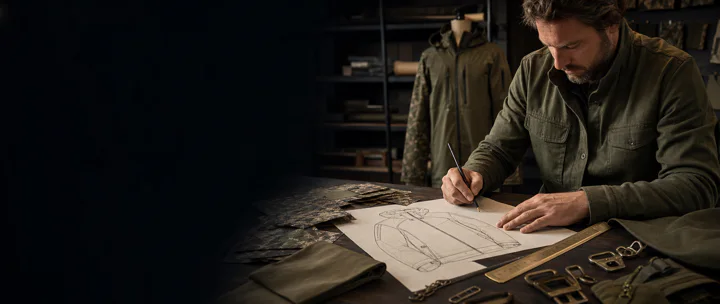
ODM development
New range development
Built from the ground up.- Original design and product architecture
- Material and system selection
- Prototyping, fit and validation planning
- Approved production handover
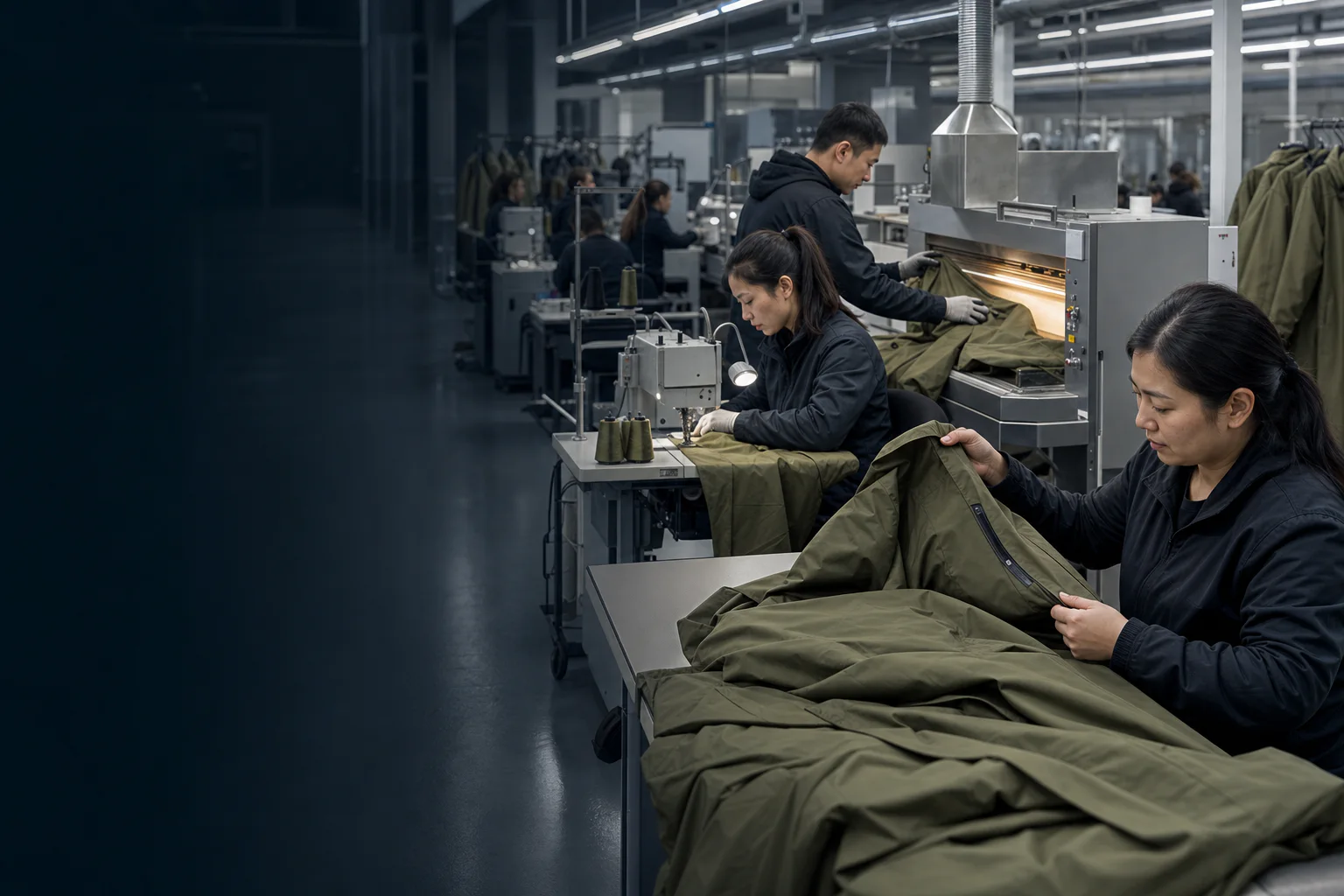
OEM manufacturing
Technical OEM execution
Your design. Our manufacturing workflow.- Tech-pack and manufacturability review
- Material, trim and component sourcing
- Sampling against approved specifications
- Repeatable production and quality records
Frequently asked questions
Practical answers for hunting-wear founders, product teams and established brands.