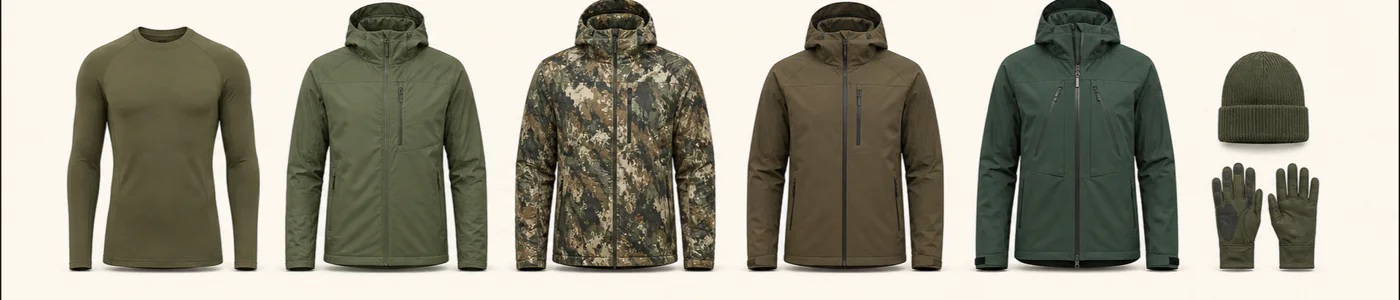
Range architecture before individual garments
Build a hunting layering system that works as one range.
We help startup and established hunting brands translate activity, weather and pursuit requirements into a coordinated skin-to-shell product brief. The result is a clearer range plan, compatible layer fits and a defined path into ODM development or OEM execution.
Product-development visualization. Specifications and evidence follow the approved brief.
Start with the mission
Give every layer a defined job.
A credible system is not a stack of unrelated jackets. Each layer should solve a distinct moisture, warmth, wind, precipitation or utility problem without preventing the next layer from fitting and functioning.
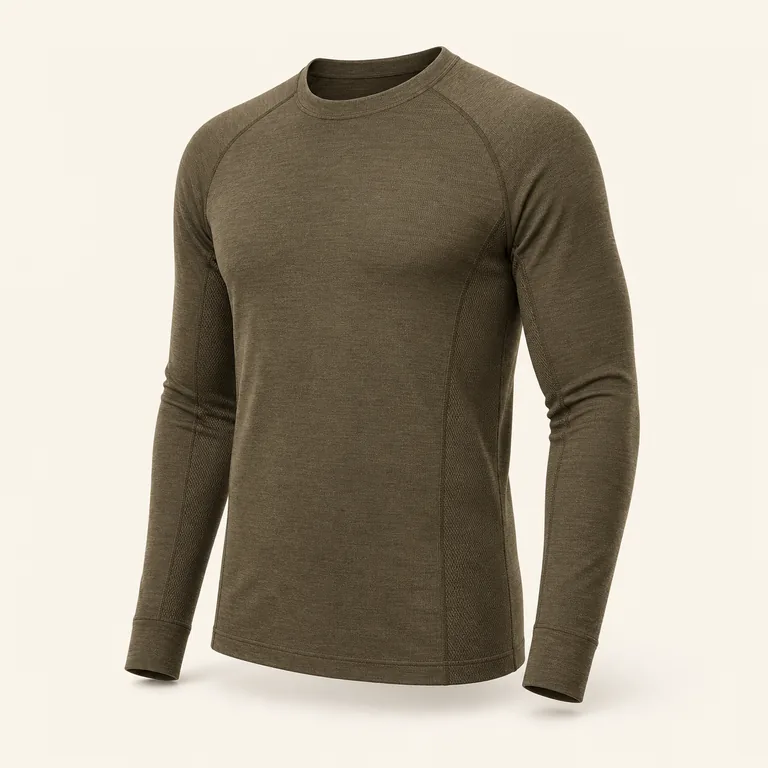
Next to skin
Define moisture movement, hand feel, seam placement and the role of any odor-management option.
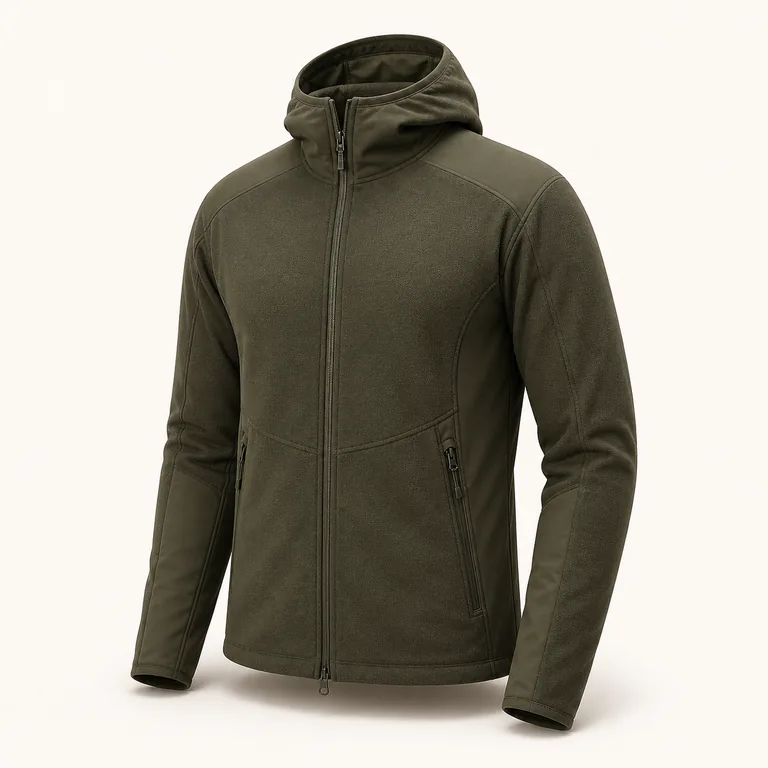
Active warmth
Balance air exchange and low-bulk warmth for walking, climbing and repeated stop-start movement.
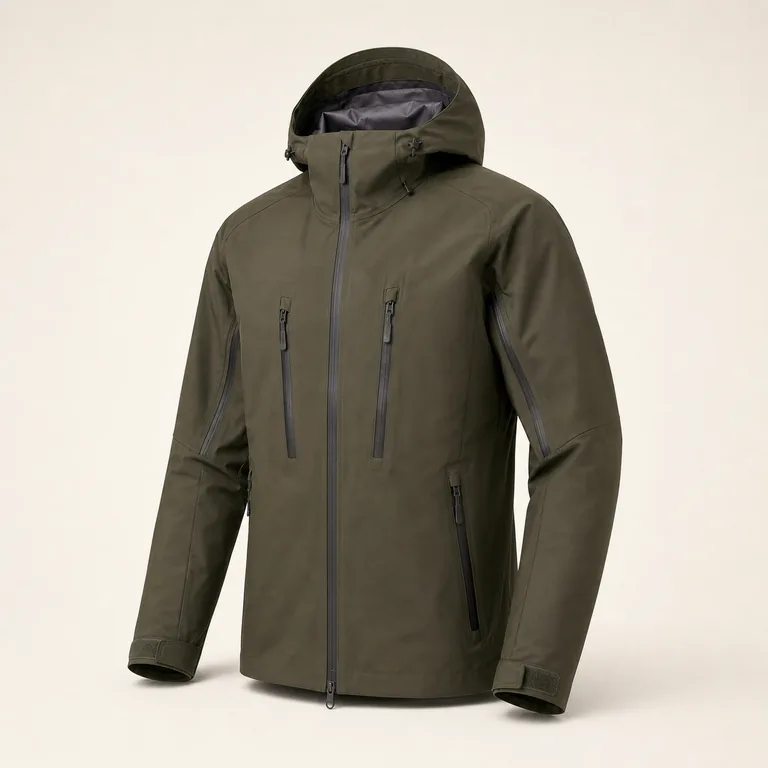
Protection and insulation
Separate wind, abrasion, rain and static-warmth needs so one garment is not expected to solve every condition.
Active versus static
Design for heat production as well as temperature.
Two hunters in the same weather can need different systems. A high-output approach produces heat and moisture; a long stationary wait places greater pressure on retained warmth, wind control and quiet handling.
High-output movement
Prioritize venting, drying, low bulk and freedom around hips, shoulders and pack-contact zones.
Stop-start activity
Plan layers that can be added or removed without disrupting equipment, access or the rest of the system.
Extended stationary use
Evaluate insulation, wind exposure, seat coverage, hand access and low-noise movement together.
Range planning scenarios
Build around conditions your customer can recognize.
Instead of making universal temperature claims, define scenarios with activity, exposure and intended layer combinations. These scenarios become a practical range-planning tool and a more defensible customer explanation.
What the buyer should prepare
Warm and active: moisture management, air exchange and durable lightweight coverage.
Mild and variable: a base layer, active mid layer and packable wind or weather option.
Cold and mobile: breathable warmth with insulation available for pauses or exposed sections.
Cold and stationary: compatible insulation, wind management and quiet outer construction.
Wet and exposed: protected openings, hood integration and a finished-garment validation plan.
System fit
Compatibility has to be engineered into every pattern.
Layering only works when ease, cuff volume, hem length, hood nesting and access points are planned across the range. These rules belong in the product brief before individual samples are approved.

Movement envelope
Check reach, kneel, climb and shouldering positions with the intended layers worn together.
Interface control
Map cuffs, collars, hoods, vents, pockets and closures so they remain usable across the system.
Equipment zones
Keep pack straps, waist belts, harnesses and carried equipment from blocking critical access or creating concentrated bulk.
Prepare the brief
Bring decisions that define the range—not just garment references.
A useful starting brief describes the end user, pursuit, climates, activity level, expected price architecture, launch scope and evidence expectations. We can then identify missing layers, duplicated functions and the right development route.
What the buyer should prepare
Primary pursuits, terrains and selling markets.
Expected activity profiles and exposure conditions.
Target product families and intended first-range size.
Reference garments, fit expectations and equipment interfaces.
Required claims and the evidence the brand expects to support them.
Project questions
Frequently asked questions
Answers specific to layering systems development.
No. The complete system should be mapped first, but development can be phased around the most important launch products. The key is to preserve compatibility rules for layers planned later.
Yes, subject to a review of your existing specifications, samples and ownership rights. We would identify functional gaps, duplicated jobs and interface requirements before proposing additions.
We do not treat a temperature label as universal. Activity, wind, moisture, individual physiology and the full worn system affect comfort. Any market-facing range should use defined scenarios and an agreed evidence plan.
It is usually ODM when the range architecture still needs to be created. If your brand already has approved specifications for each layer, OEM review can focus on manufacturability, consistency and production controls.
Next development gate
Plan a Layering System
Share the product mission, target customer and known requirements for your hunting layering system planning. We will use them to frame the next technical conversation.