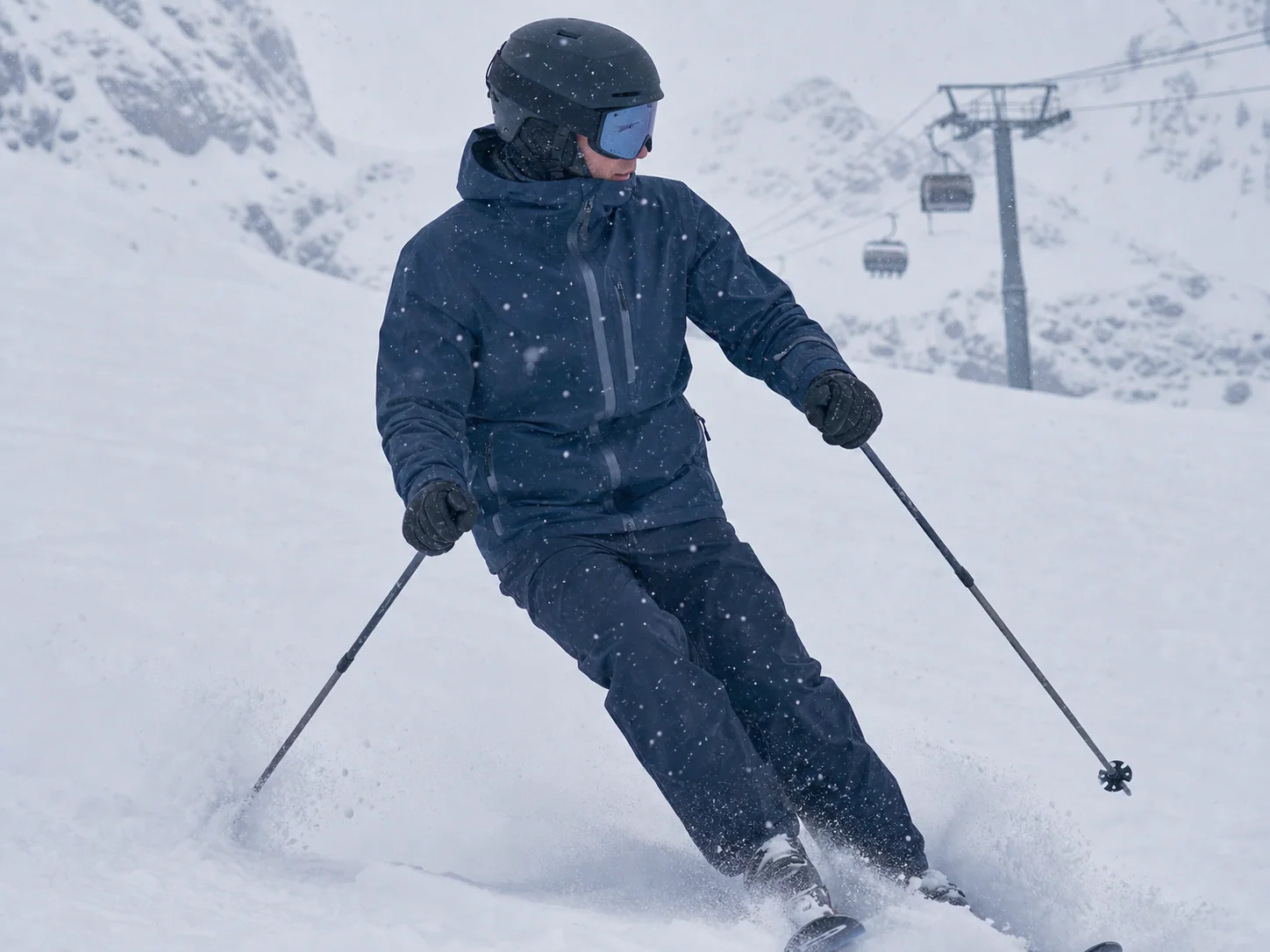
Generated editorial concept
Resort & Alpine
Layered protection for lift-served use and variable weather.
Skiwear development system — Apparel-only planning from mission brief to controlled standard. Explore Skiwear

Technical Ski Apparel Development
Sialkot Sample Masters structures apparel-only ski programs around the skier, discipline, climate, layer system, product architecture and proof required for approval.
Generated editorial conceptChoose the mission first
A resort jacket, touring shell, race suit and staff uniform solve different problems. Select the use context so the technical decisions follow the real mission.
Layered protection for lift-served use and variable weather.
Build the complete apparel system
Each family maps researched development directions and the decisions that separate one direction from another. These are options to evaluate—not verified stock products.
 01
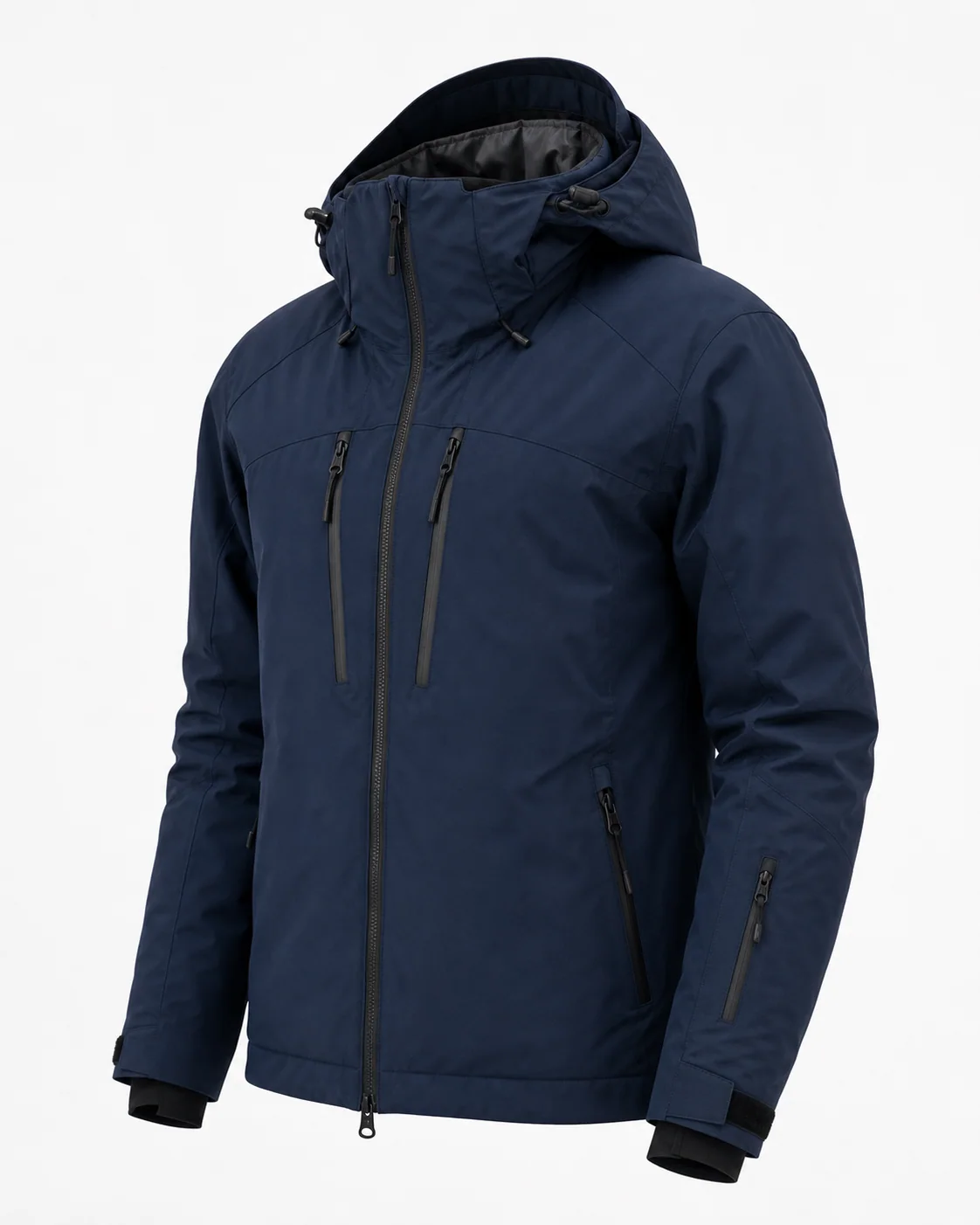
01Development option
Shell, insulated, hybrid and snowboard directions.
Open family page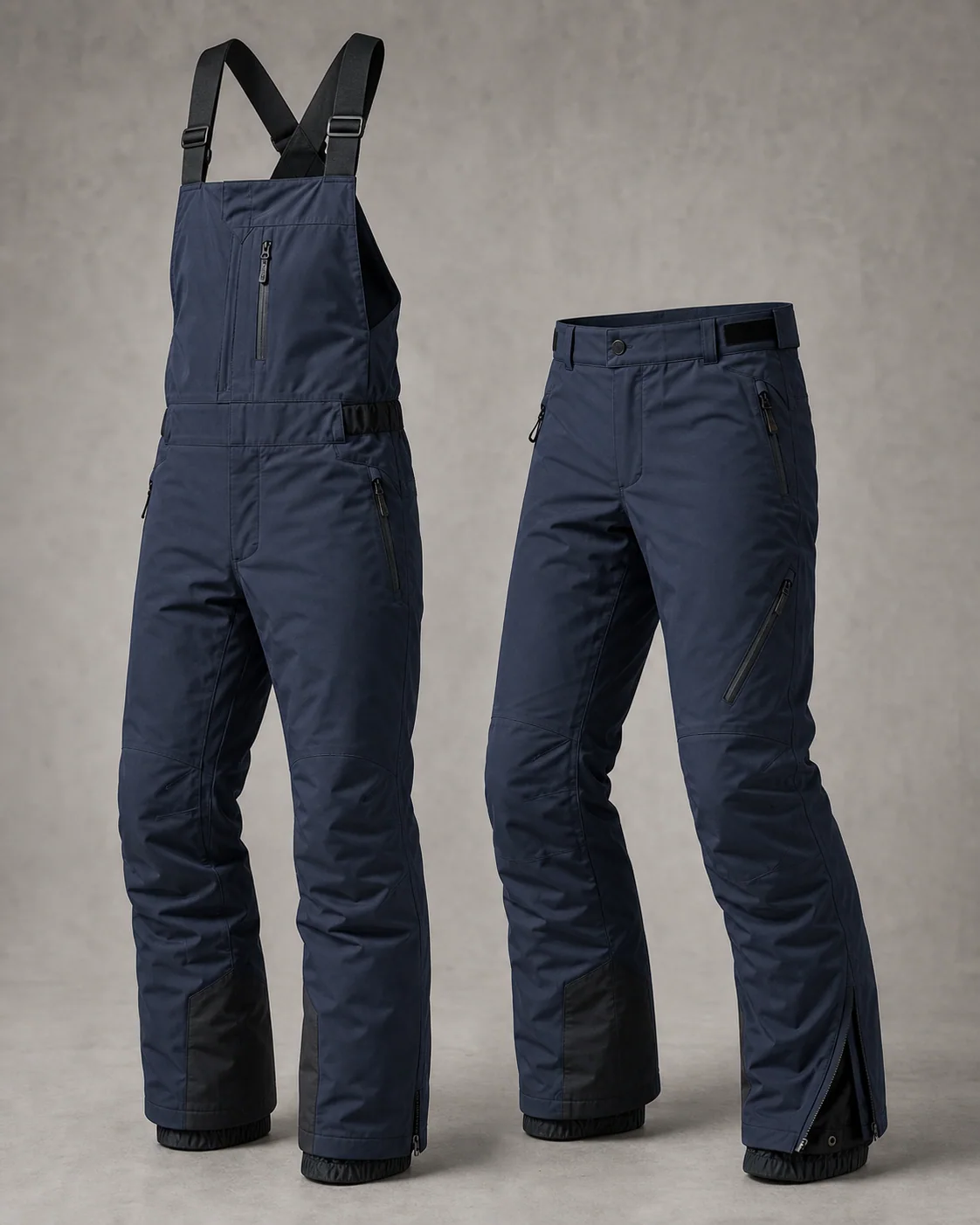 02
02Development option
Movement, coverage, reinforcement and boot interface.
Open family page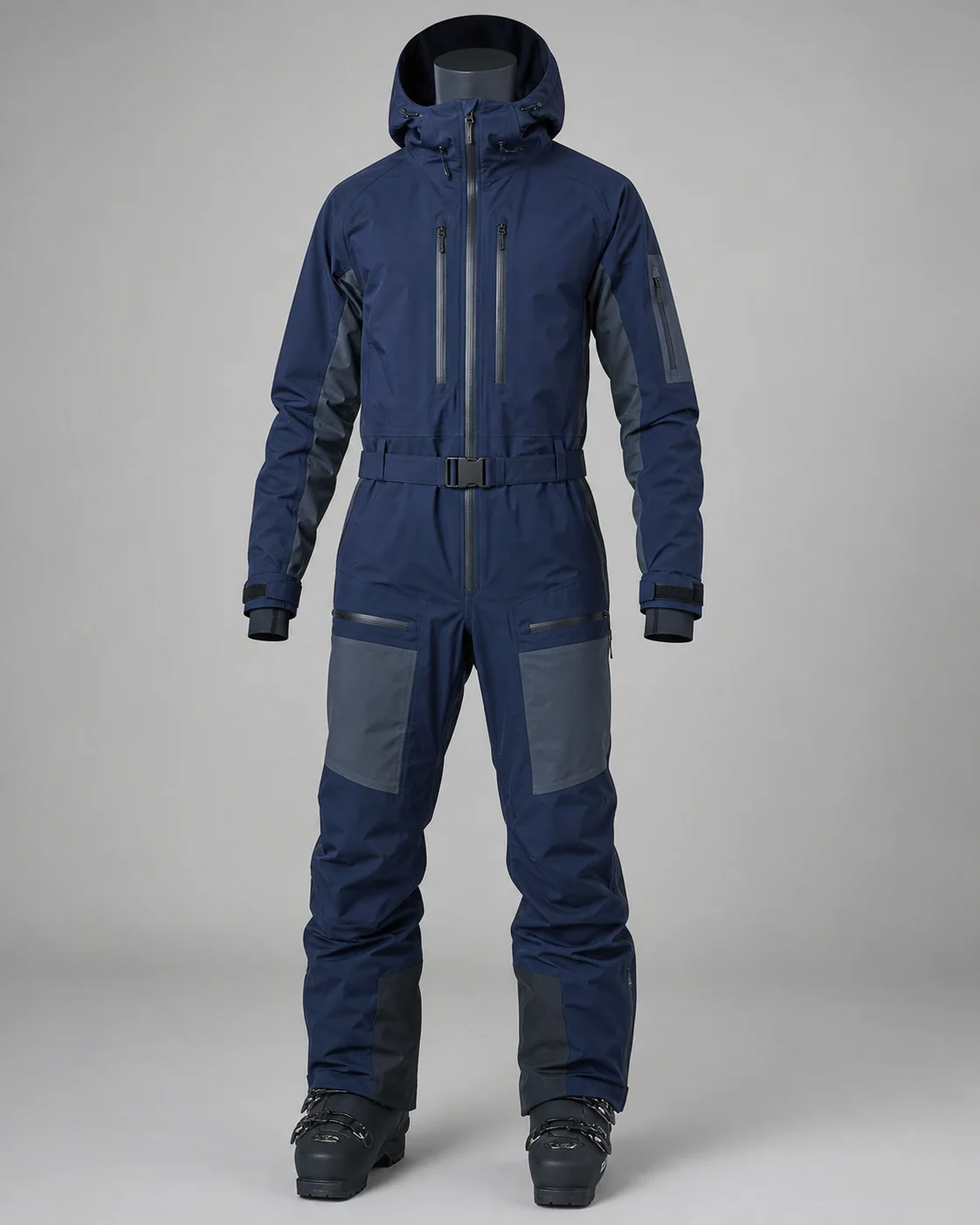 03
03Development option
Whole-body fit, entry, articulation and protection.
Open family page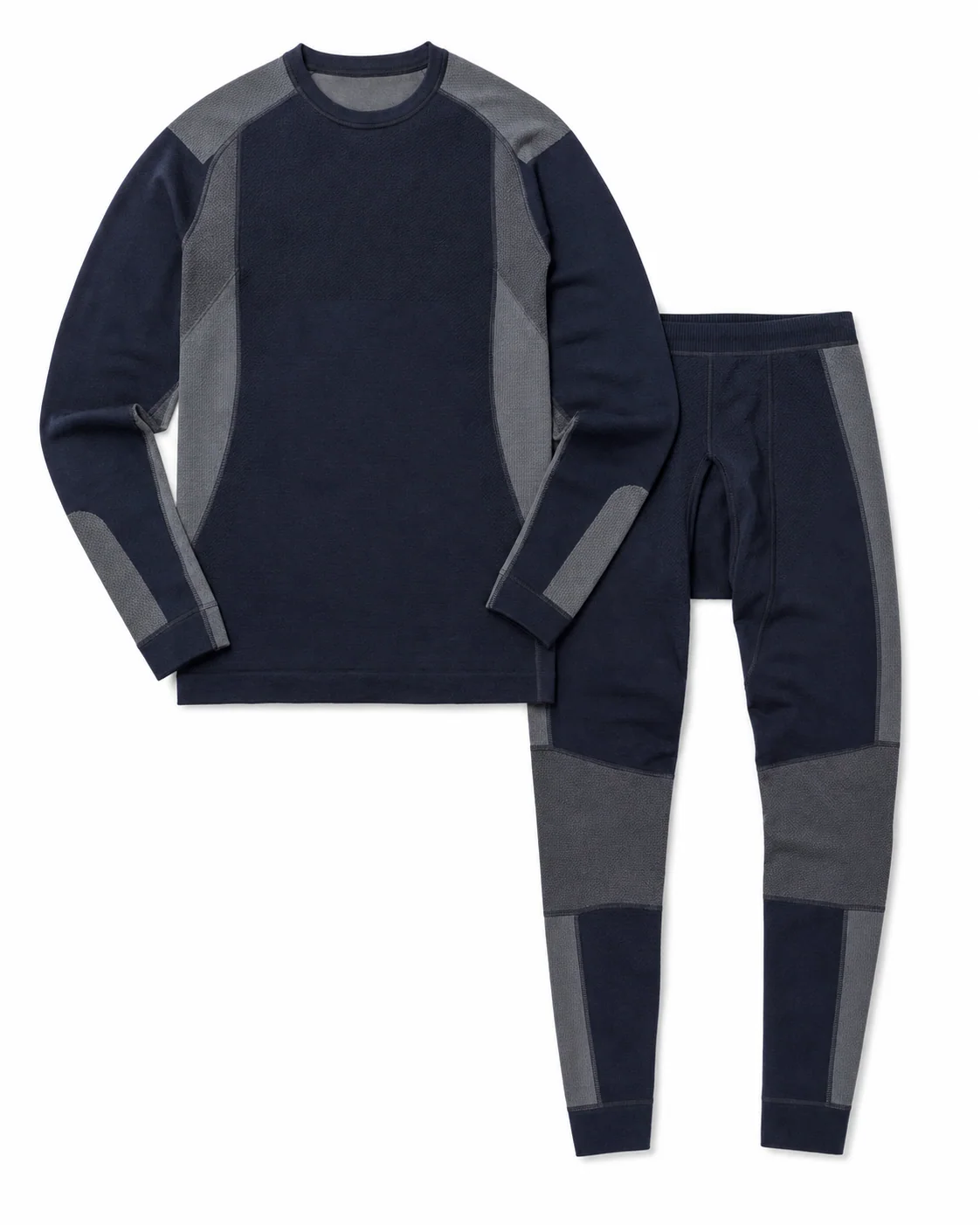 04
04Development option
Next-to-skin warmth, moisture and seam comfort.
Open family page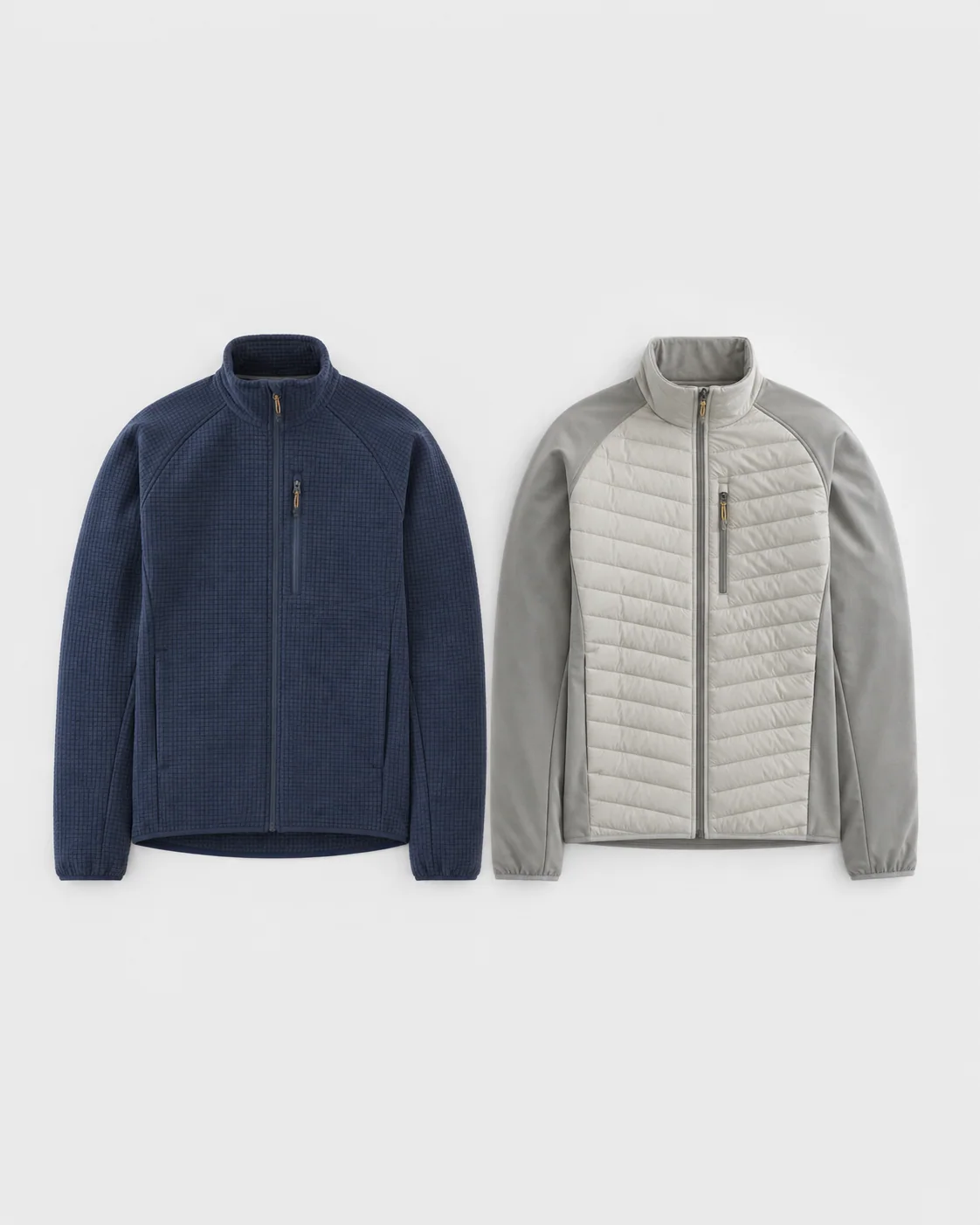 05
05Development option
Fleece, knit, hybrid and insulated warmth systems.
Open family page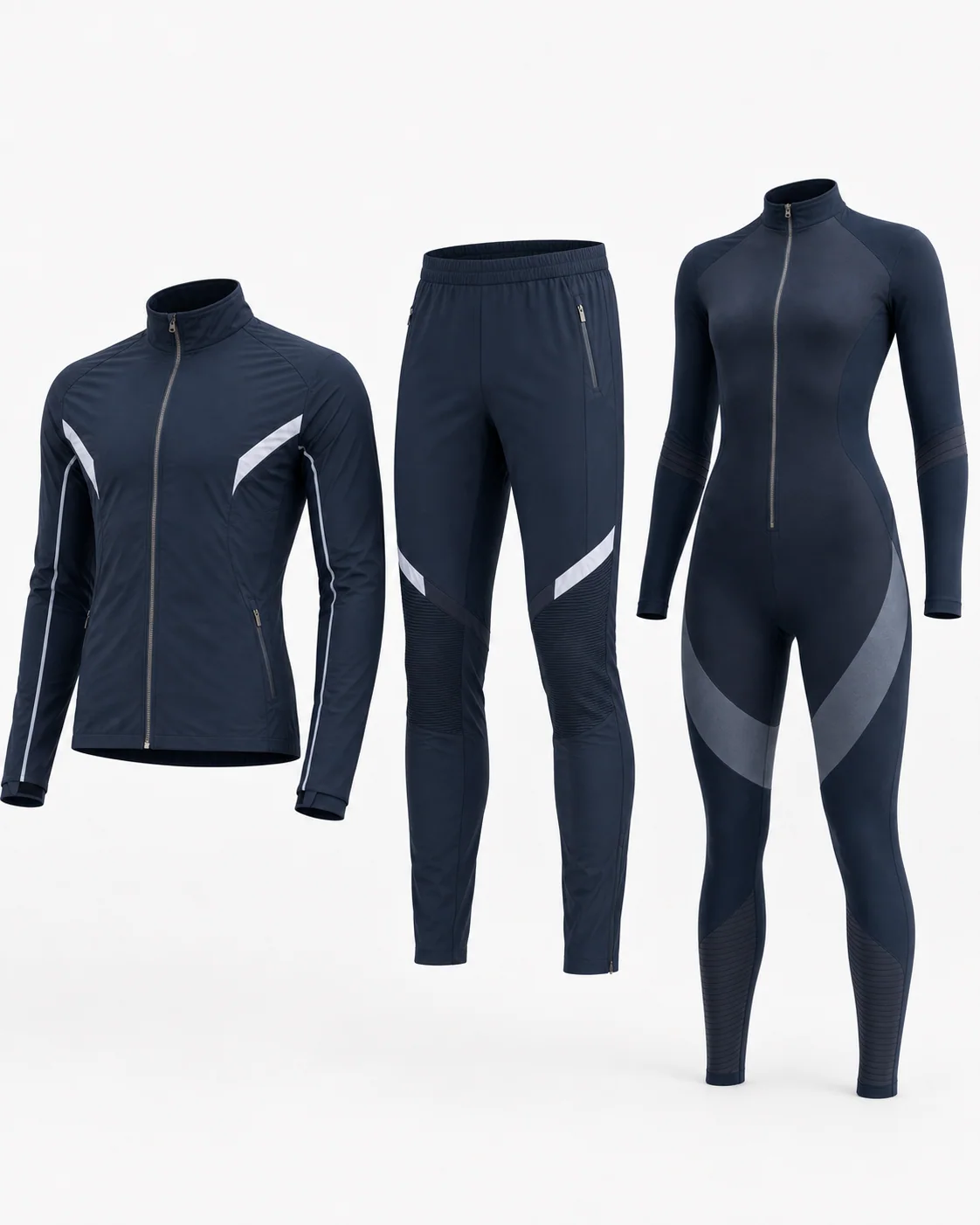 06
06Development option
Race, training, club and backcountry systems.
Open family page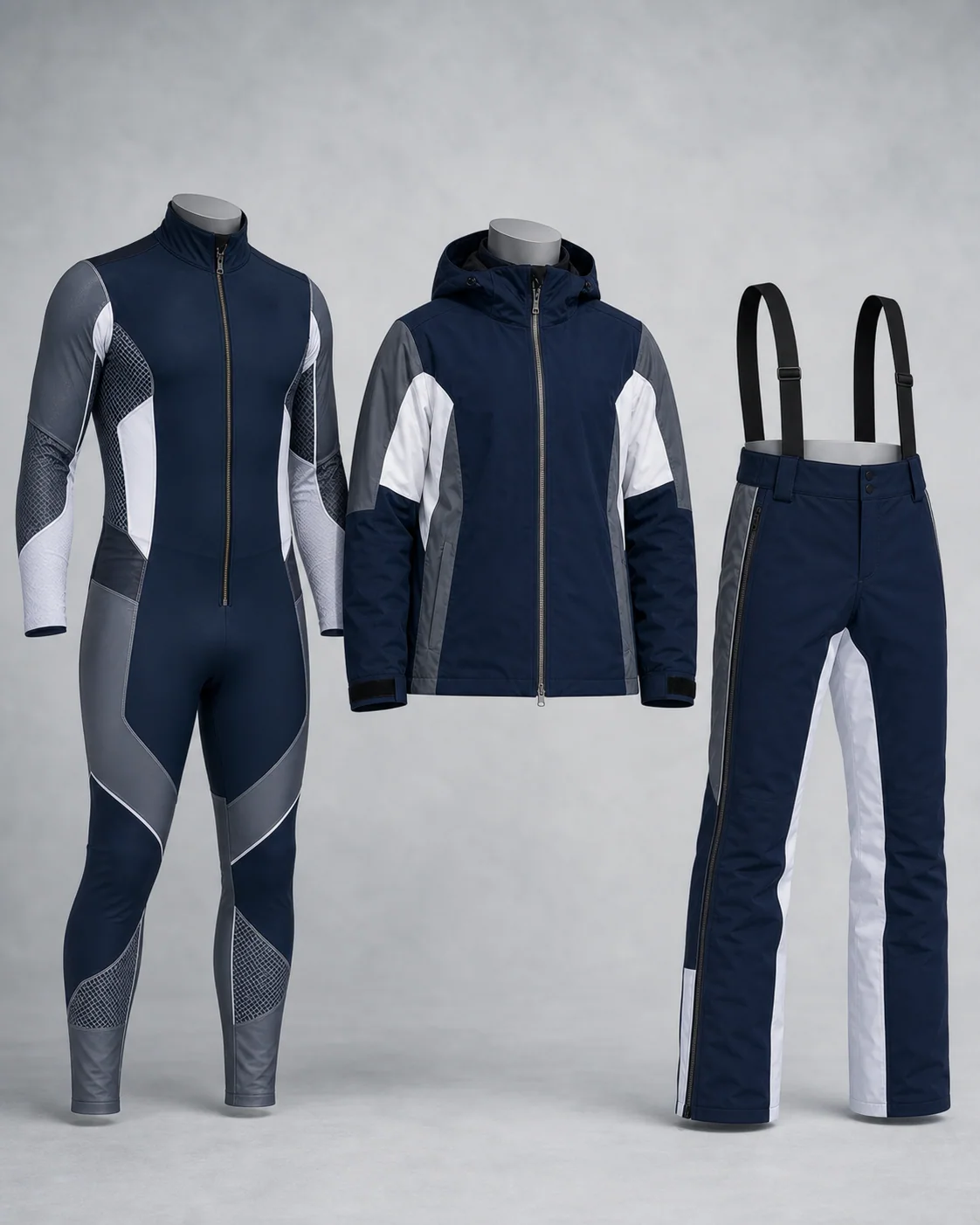 07
07Development option
Race, warm-up, coach, travel and reorder control.
Open family page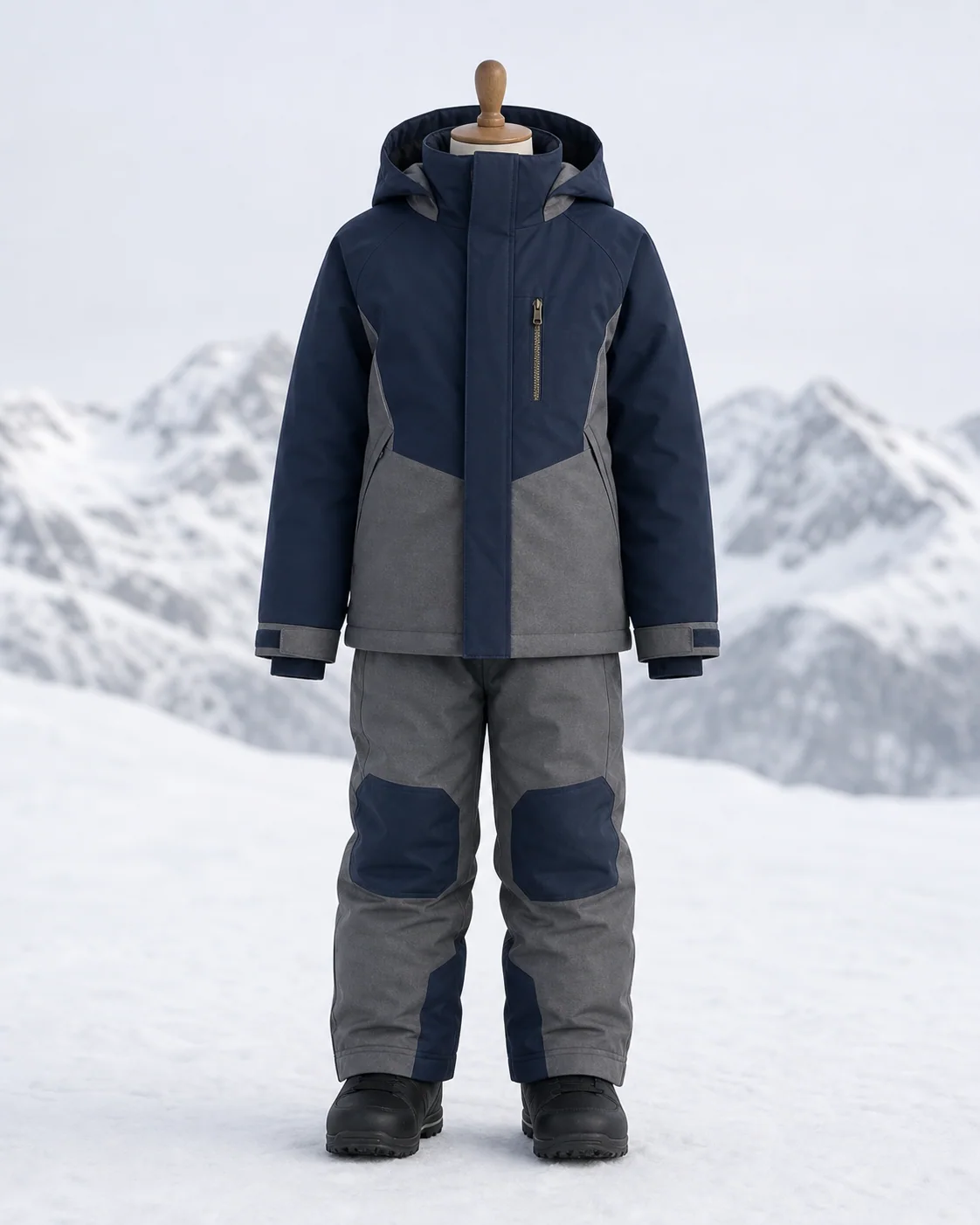 08
08Development option
Separate fit, growth, safety and durability logic.
Open family page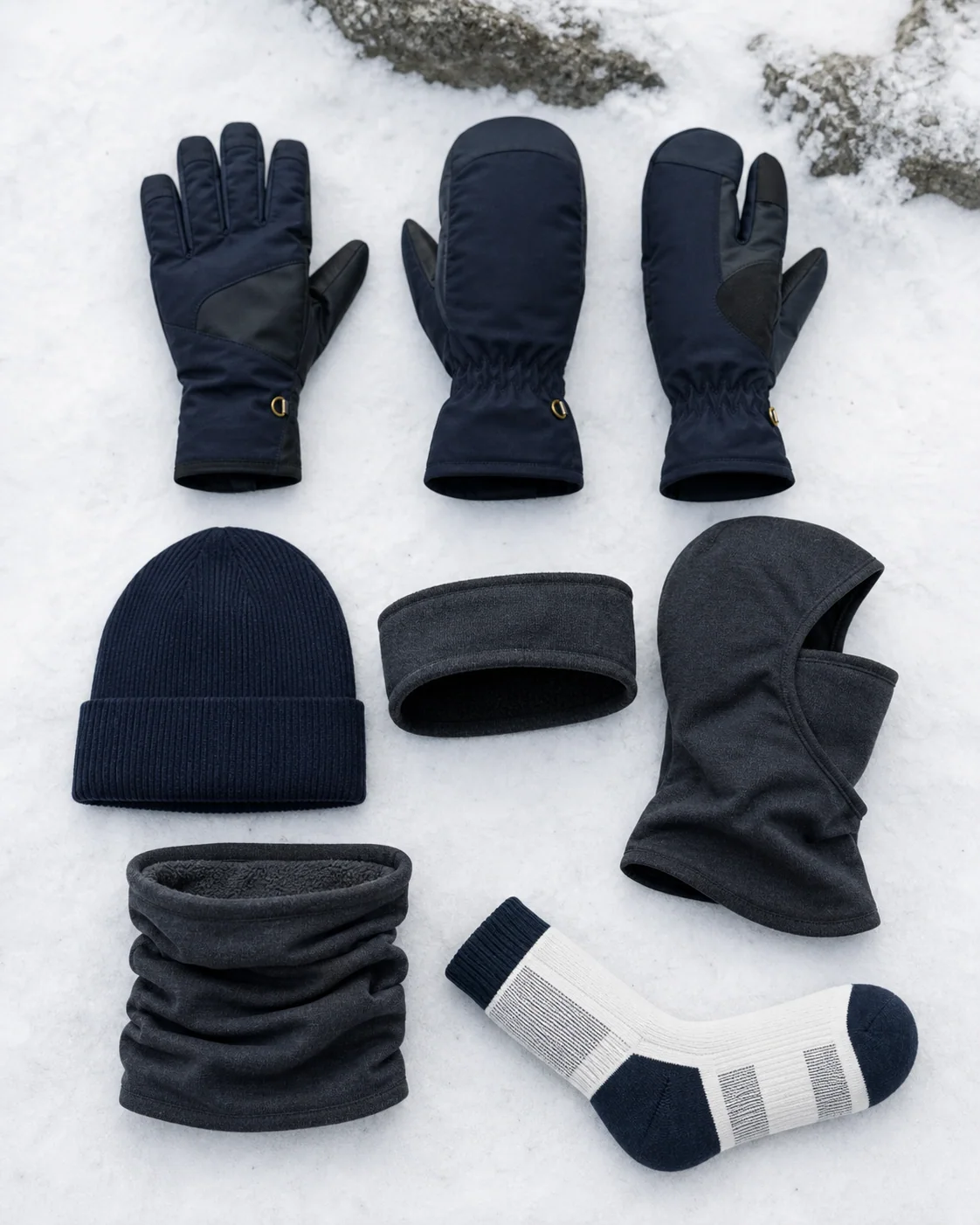 09
09Development option
Gloves, mittens, headwear, facewear and socks.
Open family pageBrief-to-Bulk
Each chapter has buyer inputs, SSM outputs and an approval decision. The objective is a documented product standard—not a sample that depends on memory.
Align the skier, discipline, climate, output, layer role, fit and intended market.
Resolve construction, material system, insulation, interfaces, sizing and trims.
Agree what must be checked and what evidence will count as approval.
Seal the specification, record changes and preserve the reorder reference.
Engineer choices as a system
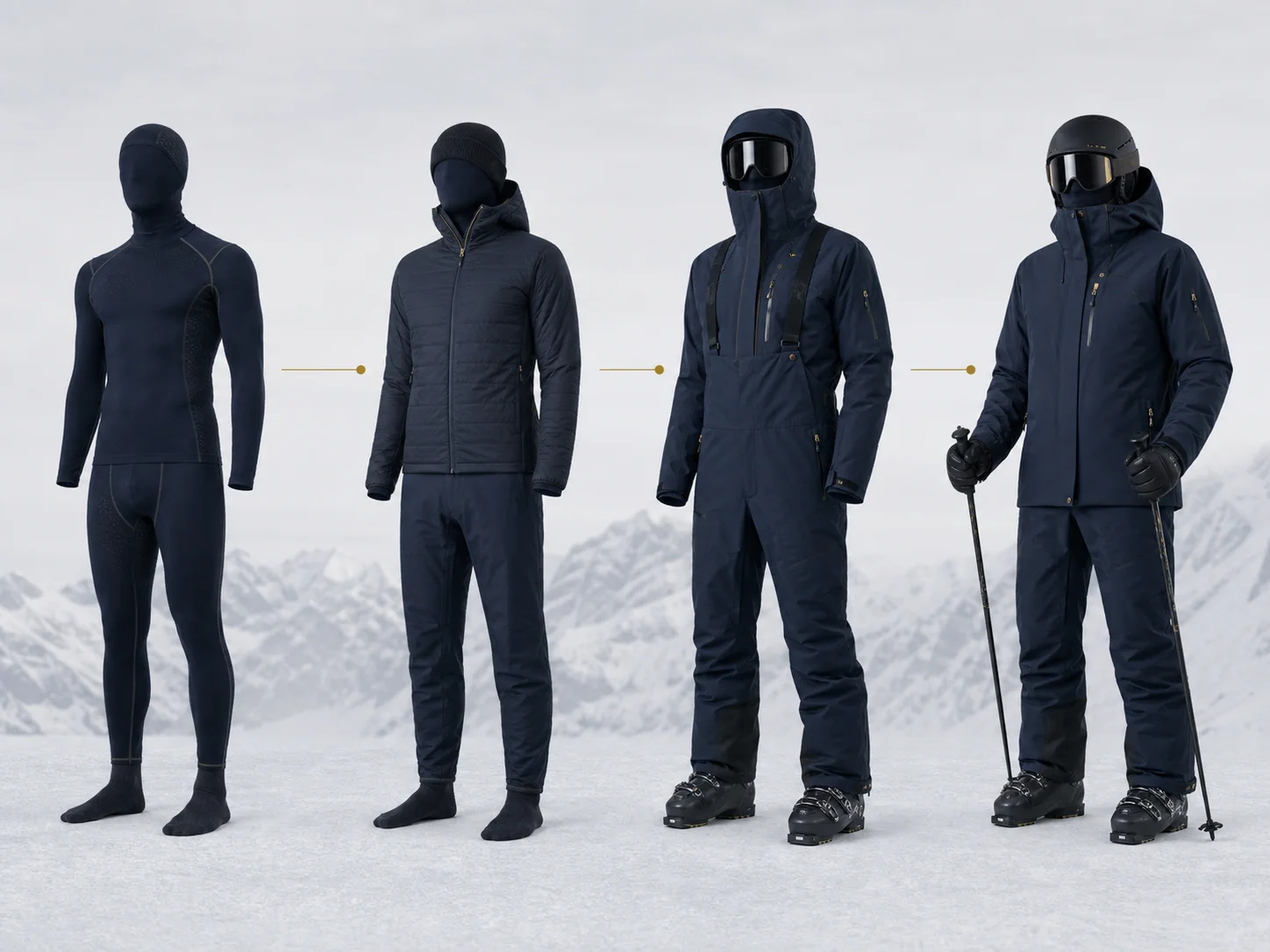
Base layers manage the next-to-skin environment. Midlayers and insulation manage warmth. Jackets, pants and bibs create the outer architecture. Soft accessories complete wearable protection.
Choose the working model
Use the OEM path when you control the tech pack, BOM, measurements, tolerances, artwork, test protocol, labels and packing requirements.
Prepare an OEM reviewUse the ODM path when the user, market or concept is clear but the original range structure and manufacturable specification still need development.
Plan an ODM programEngineering and delivery
Proof belongs beside the claim
Generated imagery, competitor research and generic factory media are not SSM proof. Ski-specific samples, inside-construction details, source documents, test records and quality forms must be verified for scope and publication permission.
Review the evidence modelBuyer questions
The proposed OEM path begins with a feasibility review of the files and standards you provide. Acceptance, timing and commercial terms follow review of the exact product, materials, trims, validation needs and order structure.
The proposed ODM path defines the audience, discipline, layer system, product architecture and original specification before sampling. Ski-specific availability and evidence are confirmed against the brief.
No. This system covers garments and soft wearable accessories. It excludes footwear, skis, bindings, poles, helmets, goggles and other hardgoods.
No. The target, article, method, pass criterion and finished construction must be agreed and supported by exact results before a public statement is made.
Bring us the mission—not just a garment name
Share the discipline, user, climate, product family, layer role, fit direction, target features, size range, references and evidence requirements.