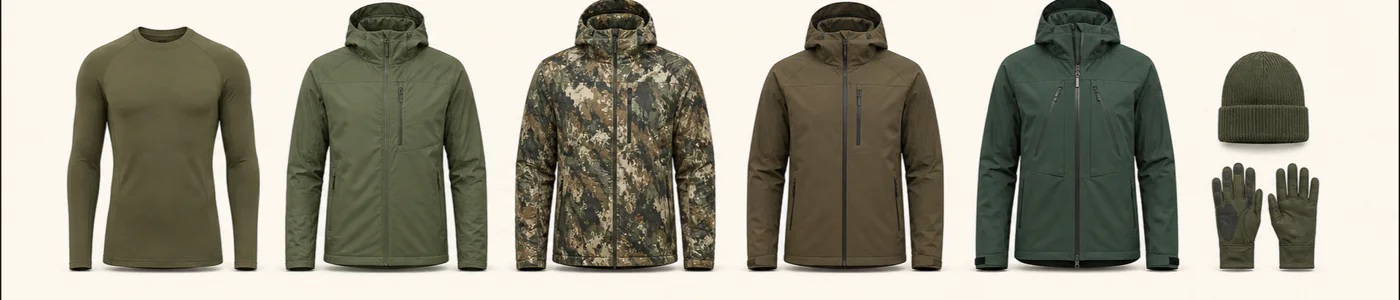
A B2B range map—not a retail catalogue
Select the hunting product families your brand needs to build.
Use this product-range pillar to define the role of each garment, the development decisions it carries and how it connects to the rest of the system. Final capability, material and commercial details are confirmed against the specific brief.
Product-development visualization. Specifications and evidence follow the approved brief.
Skin to shell
Build the range around product jobs.
Each family below is a development category with its own fabric, fit, construction and evidence decisions. It is not a promise that every variation or ingredient is available without review.
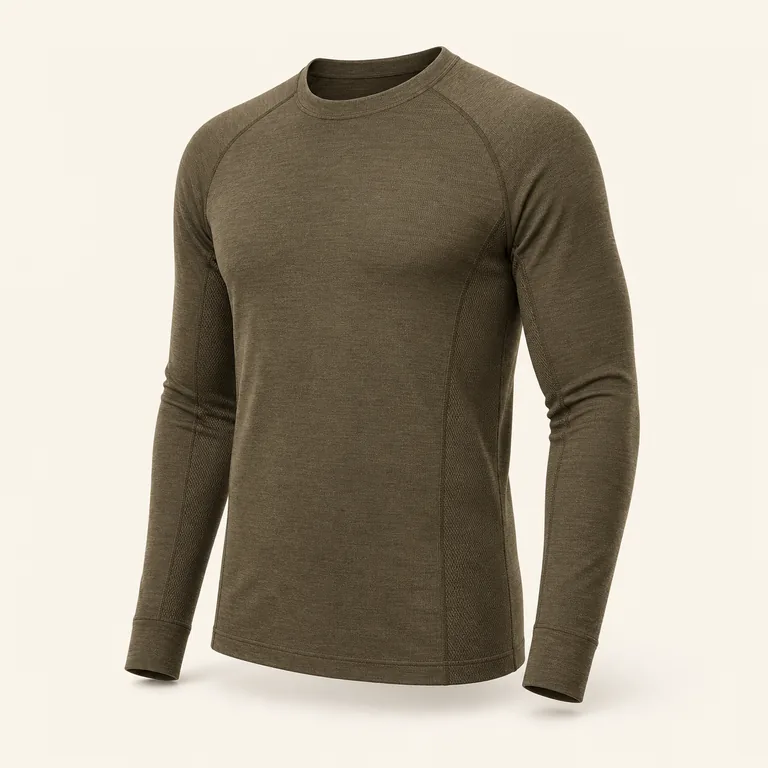
Base layers
Next-to-skin comfort, moisture movement, seam location, stretch recovery and optional odor-management evaluation.
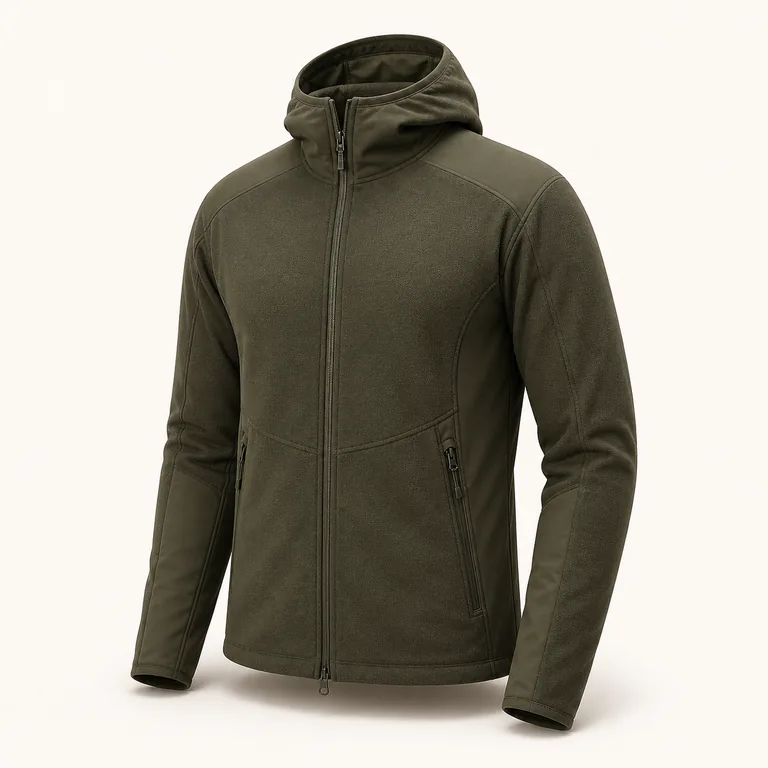
Active mid layers
Breathable warmth, low-bulk layering, venting and surface durability for movement-intensive use.
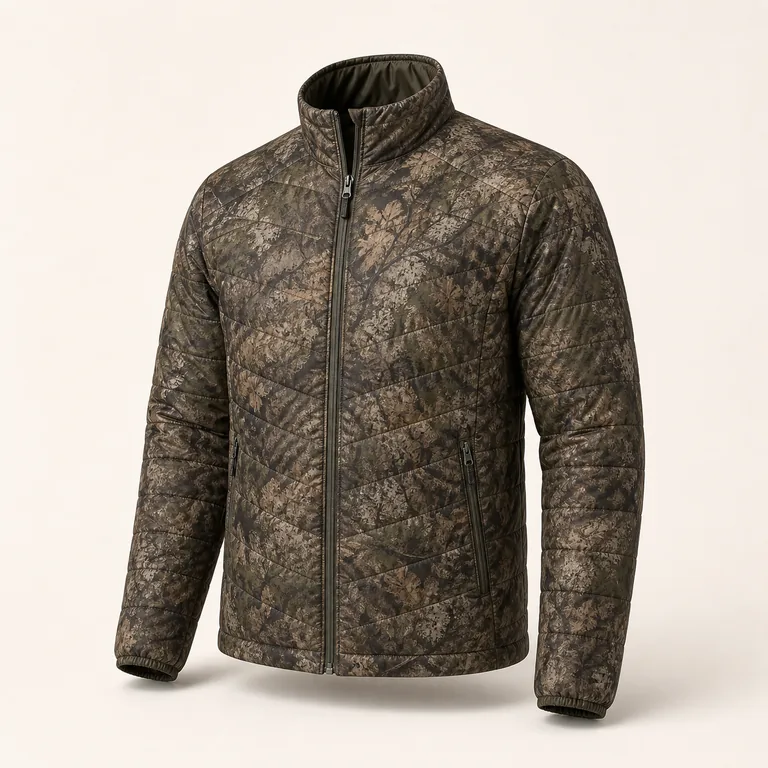
Insulated layers
Active or static warmth strategies, insulation mapping, lining, baffle construction and packability targets.
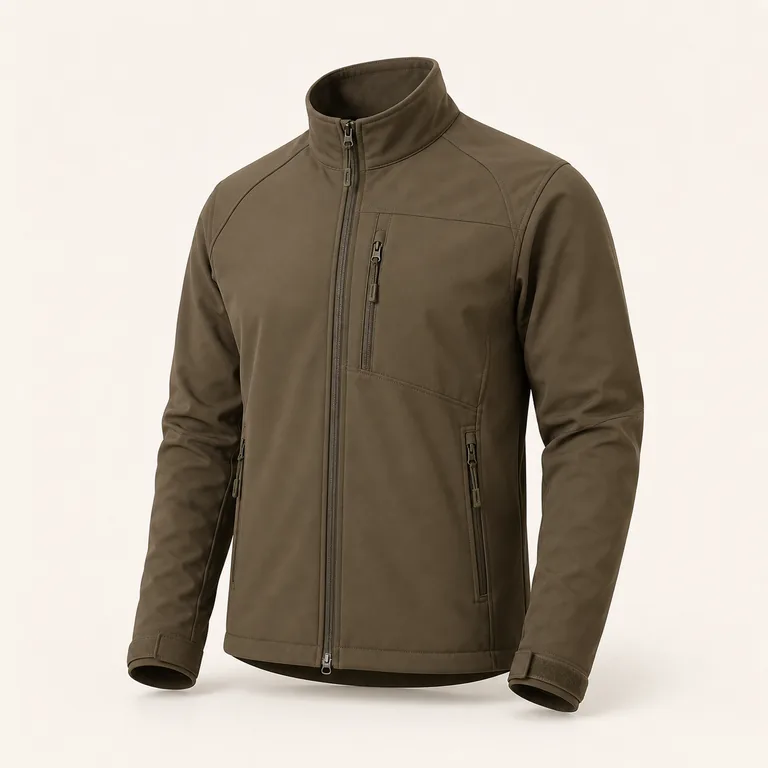
Softshells
Wind, abrasion, stretch, quiet hand and water-repellency trade-offs for versatile outer protection.
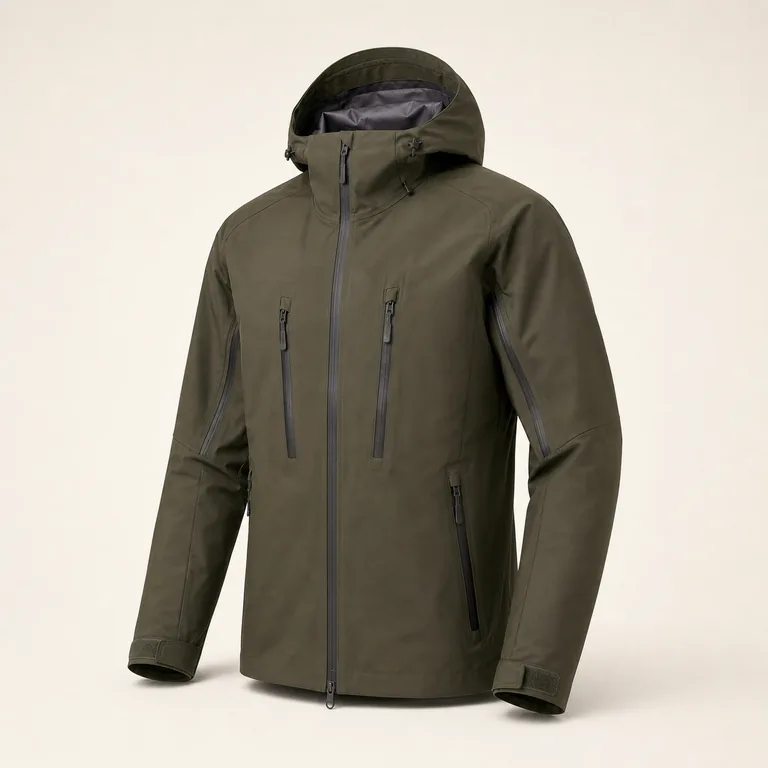
Waterproof shells
Laminate architecture, protected openings, hood design, seam sealing and finished-garment validation planning.
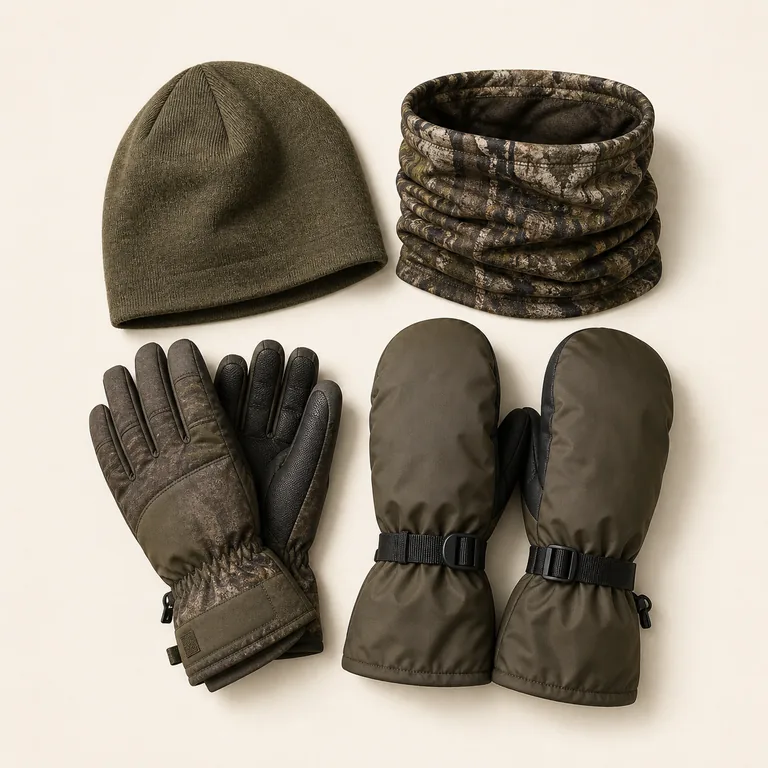
Supported accessories
Beanies, handwear or gaiter concepts are reviewed individually against actual pattern, material and sourcing requirements.
Beyond jackets
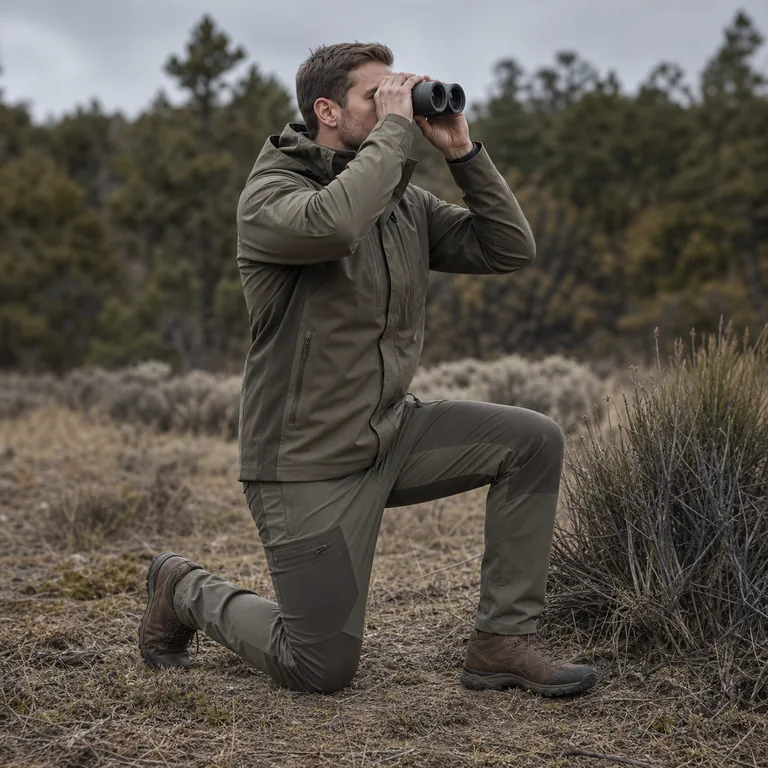
Plan lower-body products around movement, coverage and terrain.
Pants and bibs should be briefed as technical systems, not matching bottoms. Articulation, rise, venting, reinforcement, boot interface and seated coverage change with the pursuit and equipment used.
What the buyer should prepare
Knee, seat and lower-leg movement zones.
Pocket access with packs, harnesses or outer layers.
Vent placement and opening security.
Boot, gaiter and hem interfaces.
Reinforcement only where the mission and fabric need it.
What changes by product
Define the critical variables before style details multiply.
A product family becomes manufacturable when its performance job, material architecture, fit block, construction risks and approval criteria are explicit. Colorways and trims come after these core decisions.
Material architecture
Face, membrane or coating, insulation, backer, lining and reinforcement choices are assessed as one construction.
Fit and compatibility
The intended worn layers, equipment and movement positions define ease, length and articulation.
Evidence plan
Claims are translated into methods, sample states and acceptance decisions appropriate to the finished product.
Launch architecture
A focused capsule can still express a complete system.
Startup brands can begin with a small number of high-purpose products while established brands can add a missing technical family. Both approaches work best when future interfaces are documented from the start.
Starter capsule
Base + active mid + versatile shell
A compact range for brands that need clear layering logic without launching every climate solution at once.
Cold-weather extension
Insulation + lower-body coverage
Adds static-warmth and exposure solutions while preserving compatibility with the existing shell system.
Technical outerwear program
Softshell + waterproof shell + pants or bib
Requires deeper construction, component, seam and finished-garment validation planning.
Qualify the request
Tell us what is approved and what still needs development.
For each product family, identify whether you have a concept, benchmark, specification, tech pack or approved sample. That determines whether the next step is ODM development or OEM review.
What the buyer should prepare
Product family, end user and intended system position.
Target pursuit, market and conditions of use.
Current design files, reference samples and ownership status.
Material, trim, branding and camouflage requirements.
Claims, test expectations and approval responsibilities.
Project questions
Frequently asked questions
Answers specific to product range development.
No. It is a B2B product-family map for custom development and manufacturing. Specifications, materials, branding and final scope are defined for the approved program.
Yes. A single family can be reviewed as an OEM or ODM program, but its fit and functional interfaces should still be checked against the brand's wider range.
No. Images explain product roles. Actual fabrics, components, finishes and constructions are confirmed against the brief, supplier records and approved bill of materials.
Those commercial details are confirmed after product complexity, material routes, sample status, quantities and program requirements have been reviewed.
Next development gate
Select Product Families
Share the product mission, target customer and known requirements for your hunting wear product family selection. We will use them to frame the next technical conversation.