
Original pattern to controlled production artwork
Build camouflage for a terrain, distance and garment system.
Custom camouflage development can connect terrain research, visual scale, color, repeat engineering, substrate choice, strike-offs and garment placement. Artwork ownership and the print route are defined before production use.
Product-development visualization. Specifications and evidence follow the approved brief.
Stage 1
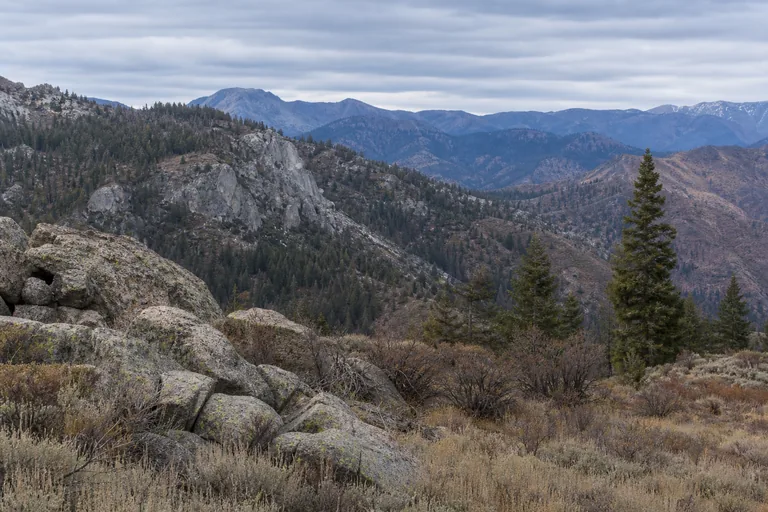
Define the environment before drawing the pattern.
The brief should describe terrain structure, dominant forms, seasonal color shift, likely viewing distance and the hunter's movement. Species alone does not define the visual problem.
What the buyer should prepare
Primary terrain and seasonal variants.
Typical viewing distance, angle and light conditions.
Product families and panel sizes carrying the print.
Target market and brand color strategy.
Reference rights and excluded competitor artwork.
Stage 2
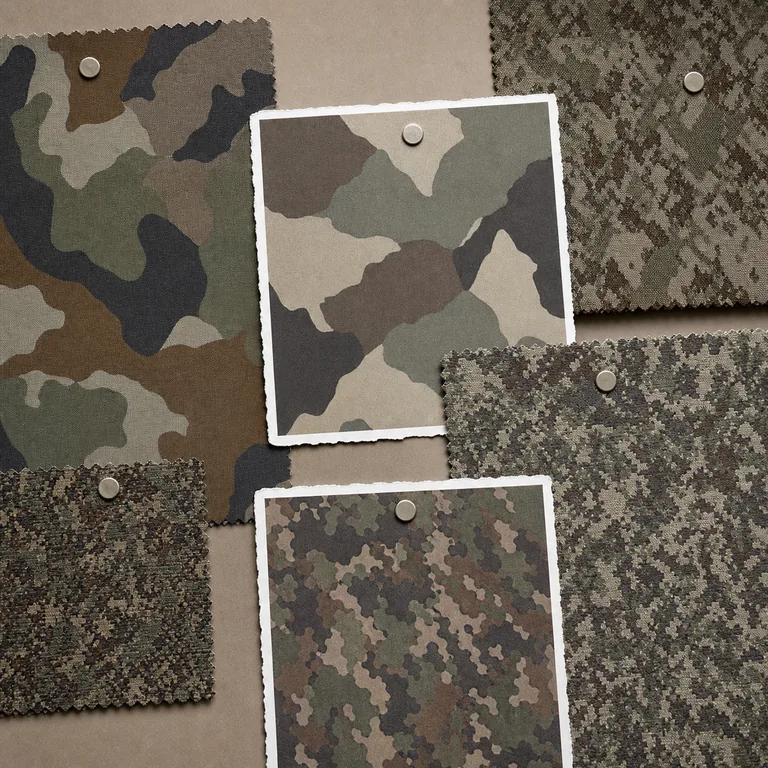
Combine macro breakup with useful near-view detail.
Large forms influence the silhouette at distance while smaller structures manage local transitions and brand character. Scale must be reviewed on full garment panels, not only a square desktop tile.
Macro structure
Establish large contrast regions and directional flow for the intended distance and garment size.
Micro structure
Add near-view texture without turning the repeat into uniform visual noise.
Color hierarchy
Assign light, middle and dark values against terrain observations and the approved season brief.
Stage 3
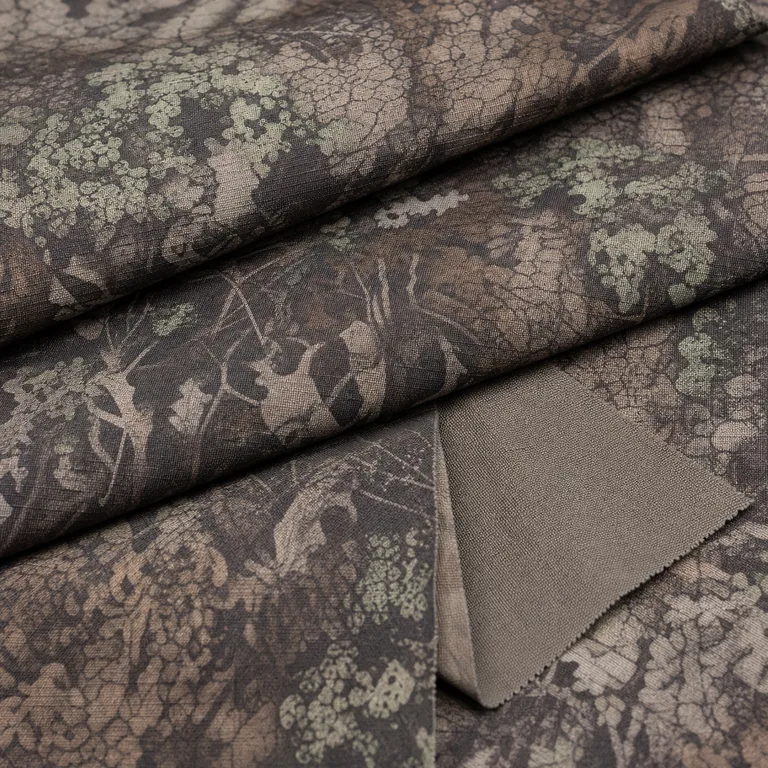
Make the artwork repeatable on the selected substrate.
The print route is selected for the substrate and performance brief. Repeat size, registration, color behavior, stretch, face texture and later construction all influence the approved artwork package.
Engineer the repeat
Set scale, repeat boundaries and panel behavior for the intended product families.
Decision outputProduction artwork file
Select the route
Review substrate, color count, hand, stretch and performance constraints before confirming print method.
Decision outputPrint-route decision
Approve the strike-off
Compare color, scale, detail and surface behavior on the selected material.
Decision outputSigned strike-off reference
Stage 4
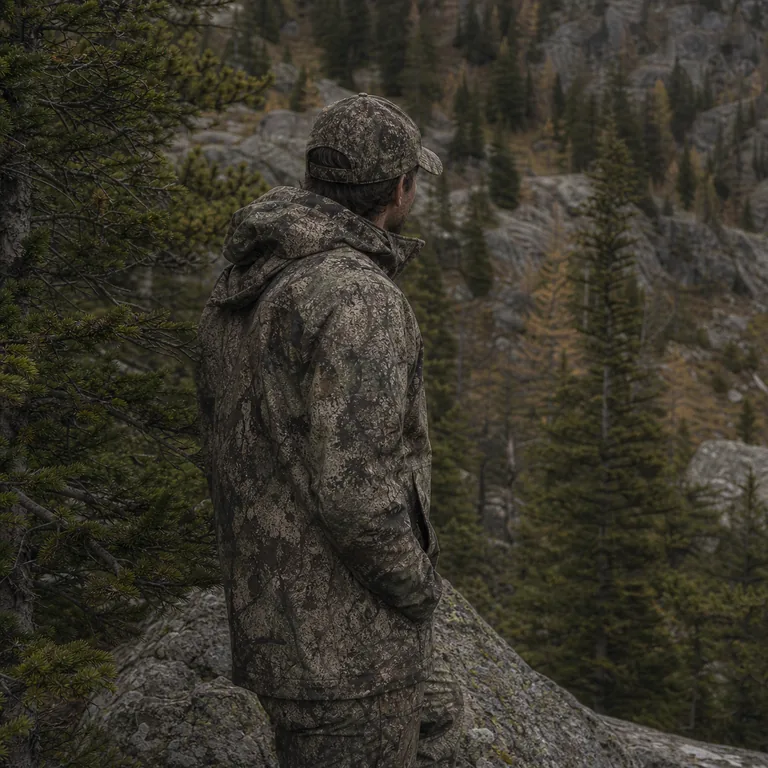
Control placement across real garment panels.
Panel seams, pockets, hoods, reinforcements and mixed materials can interrupt the visual system. Placement maps make deliberate transitions possible and create a repeatable reference for reorders.
What the buyer should prepare
Review full-scale front, back, hood, sleeve and lower-body panel placement.
Define alignment expectations where panels meet.
Plan solids or reinforcement fabrics as part of the composition.
Use field photography to compare distance, angle and movement states.
Archive approved artwork, strike-off and placement references for reorder control.
Commercial control
Clarify ownership before artwork reaches production.
The project scope should state who supplies references, who owns source artwork, what usage is licensed, which deliverables transfer and how later modifications are approved. Competitor patterns should never be copied or lightly altered.
Brand provides
Terrain priorities, brand direction, markets, product plan and reference rights.
Development defines
Pattern route, repeat, color proposal, strike-off scope and placement requirements.
Both approve
Final artwork, usage rights, substrate result, placement map and controlled production files.
Project questions
Frequently asked questions
Answers specific to custom camouflage development.
No. References can help define a visual direction, but custom work should be original and supported by clear rights. Existing proprietary patterns require permission from their owner.
The substrate and likely print route should be considered early because they affect color, scale, detail, stretch and hand. Final artwork and strike-offs are approved for the actual route.
Field-photo comparison can be included in the validation plan, but the scope, environment, distance, lighting and approval criteria must be agreed. It should not be presented as universal concealment proof.
Yes, if repeat scale, substrate behavior, panel size and placement are reviewed for each family. Small accessories and large outerwear panels may need different crops or placement rules.
Next development gate
Start a Camo Brief
Share the product mission, target customer and known requirements for your custom hunting camouflage development. We will use them to frame the next technical conversation.