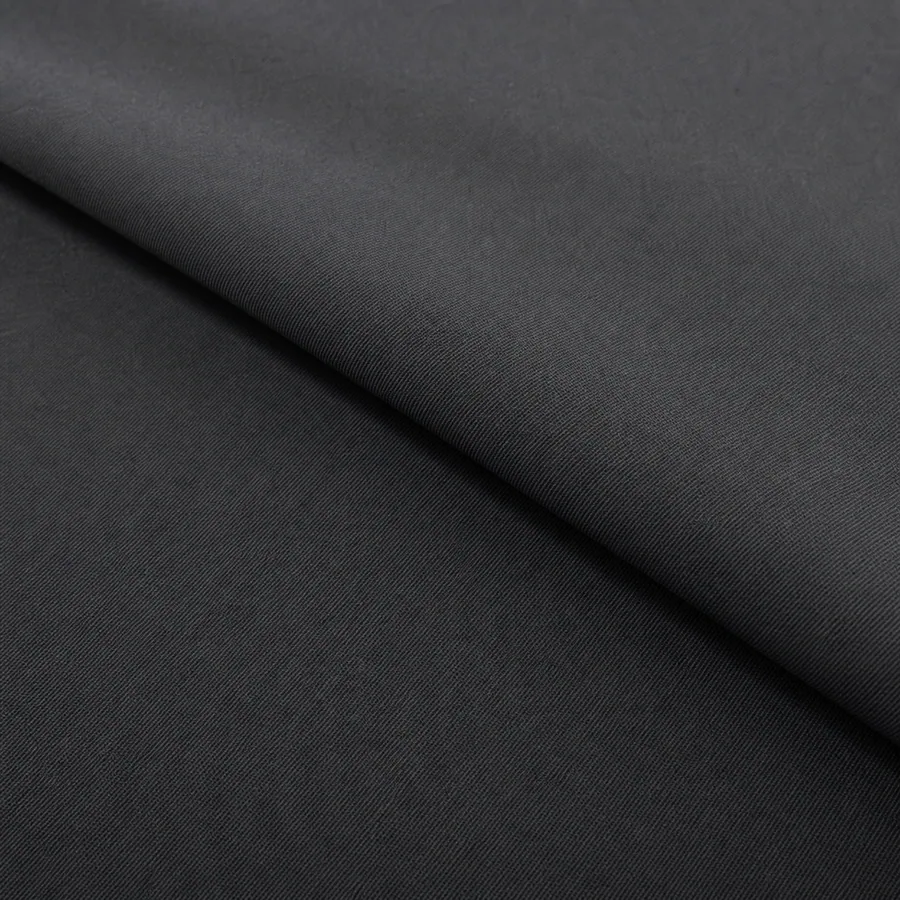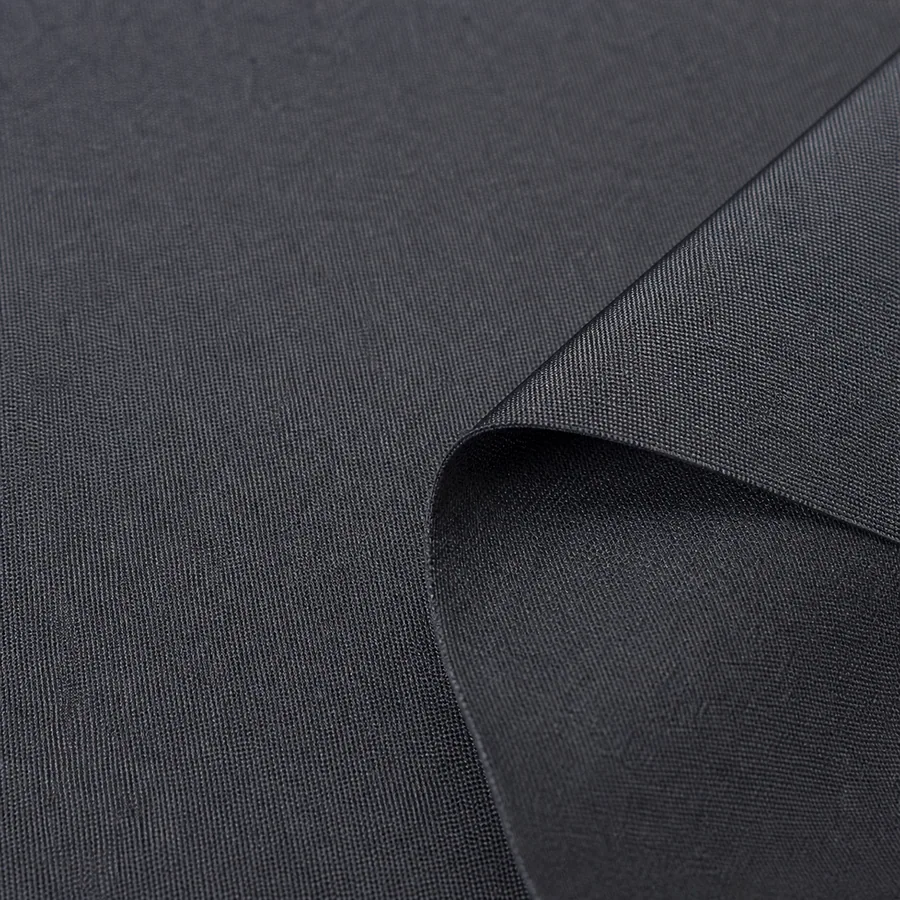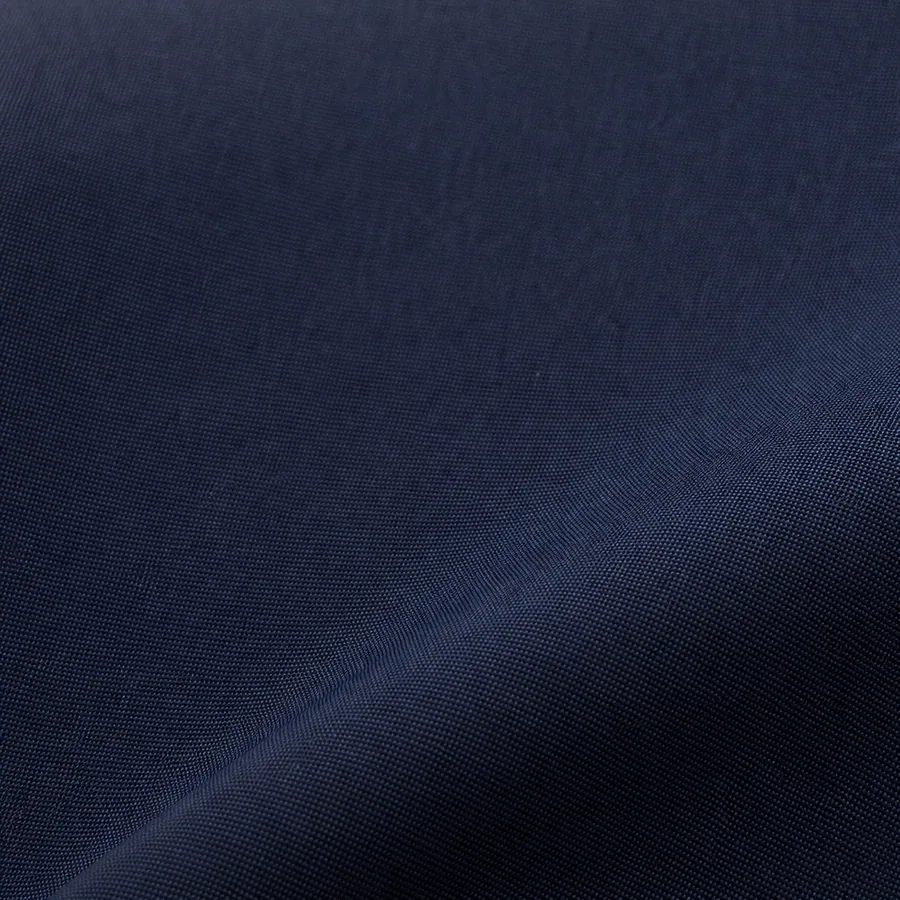
Now Accepting Orders for SS2026Sample turnaround in 7 days. Worldwide shipping available.

Fabric and material-system library

Choose fabric by conditions, construction and proof

A useful fabric brief begins with the product's end use, climate, activity and garment layer—not a fibre name or GSM target in isolation. This library compares material constructions, planning weights, use cases, tradeoffs and relevant test methods for skiwear, hunting wear, streetwear, security uniforms and techwear. Final specifications require a current physical swatch and source record.

Guided material shortlist

Start with use conditions, then compare construction

Every record shown here is a research-derived planning record until a supplier grade or physical SSM sample is attached.

Filter the fabric library 29 results

29 planning records match these filters.

Select up to four for comparison. 0/4 selected.

AI-generated representative macro of 3-layer waterproof laminate showing its visible face structure
Representative AI macro · face

Planning visual only; not an exact mill grade, colour standard or tested sample. Show the exact woven face at true macro scale.

FAB-001Planning range

3-layer waterproof laminate

Woven face bonded to a membrane and protective knit or woven backer.

Planning weight
120–220 gsm
Layer role
weather shell

Combines face, barrier and protective backer into one bonded shell package, reducing the need for a loose protective lining.

Ski and snow shellsHunting rain shellsTechnical outerwear
Request this construction in a sample
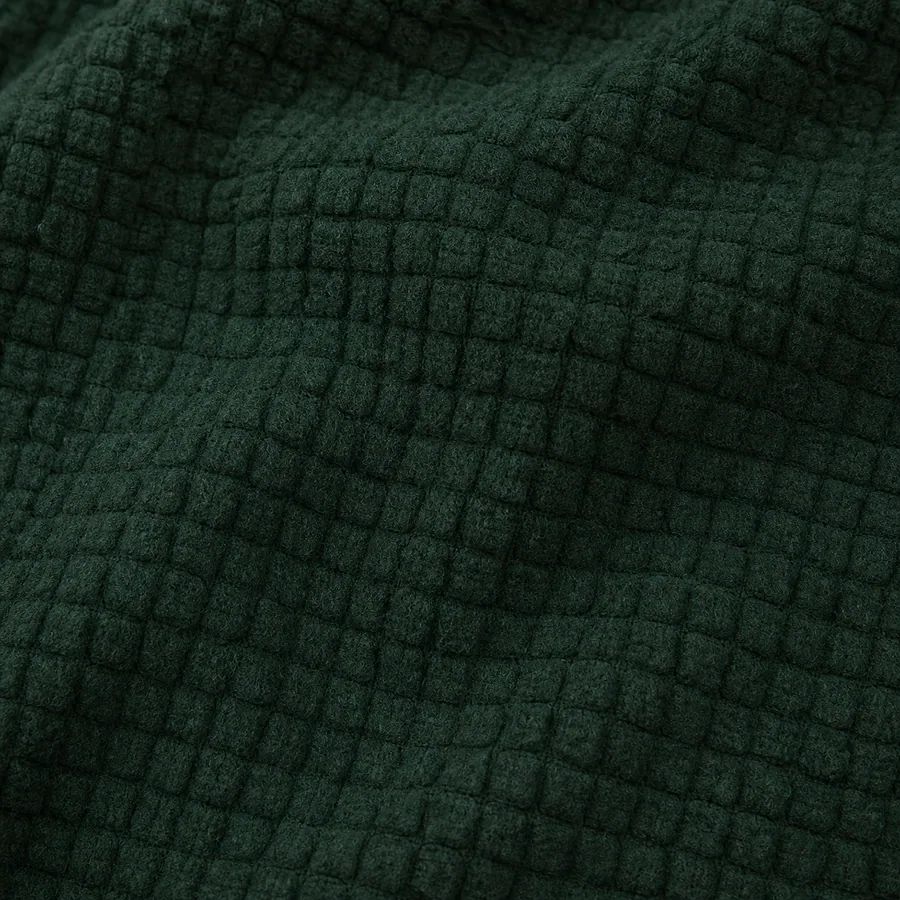
face

Show face yarn and weave under soft raking light.

FAB-003Planning range

2.5-layer lightweight shell

Woven face, membrane or coating, and a printed or applied inner protective treatment.

Planning weight
80–160 gsm
Layer role
weather shell

Can reduce mass and packed volume when a full textile backer is not required.

Packable over-shellsEmergency weather layersLow-bulk technical jackets
Request this construction in a sample
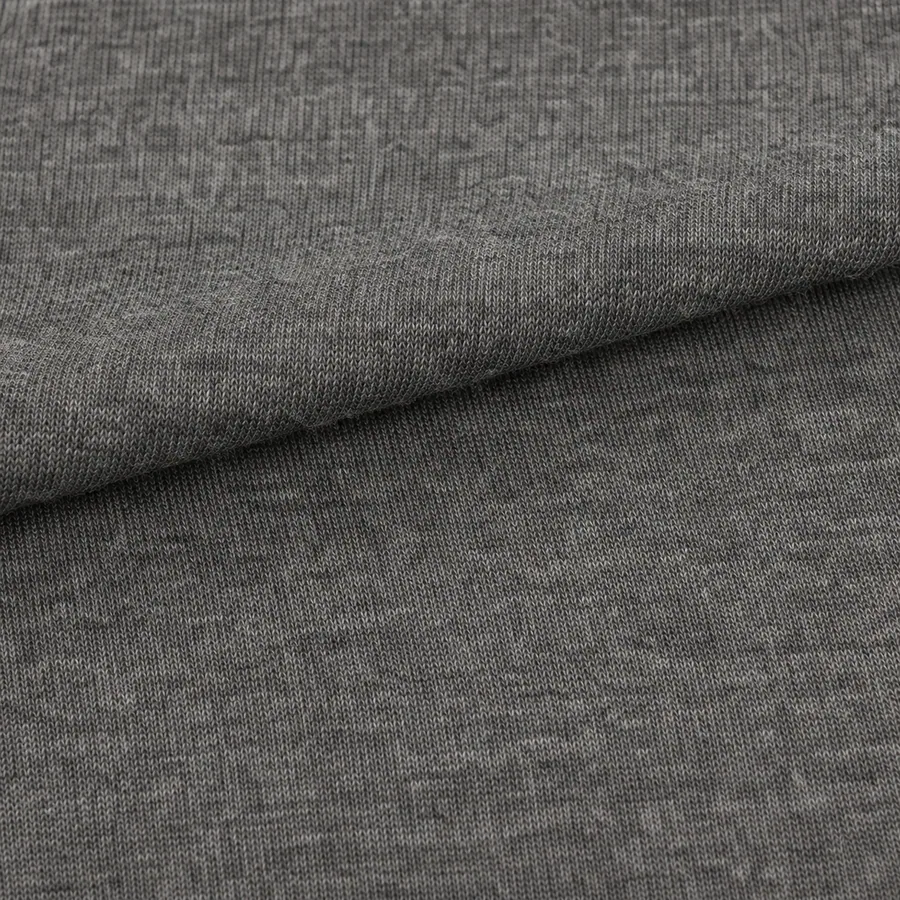
AI-generated representative macro of Bonded softshell showing its visible face structure
Representative AI macro · face

Planning visual only; not an exact mill grade, colour standard or tested sample. Show the exact woven structure and surface finish.

FAB-004Planning range

Bonded softshell

Stretch woven face bonded to tricot, fleece or a membrane-backed inner layer.

Planning weight
240–380 gsm
Layer role
midlayer, weather shell, main body

Balances movement, a controlled outer face and optional inner warmth in one material system.

Active outer layersTechnical trousersPatrol jackets
Request this construction in a sample
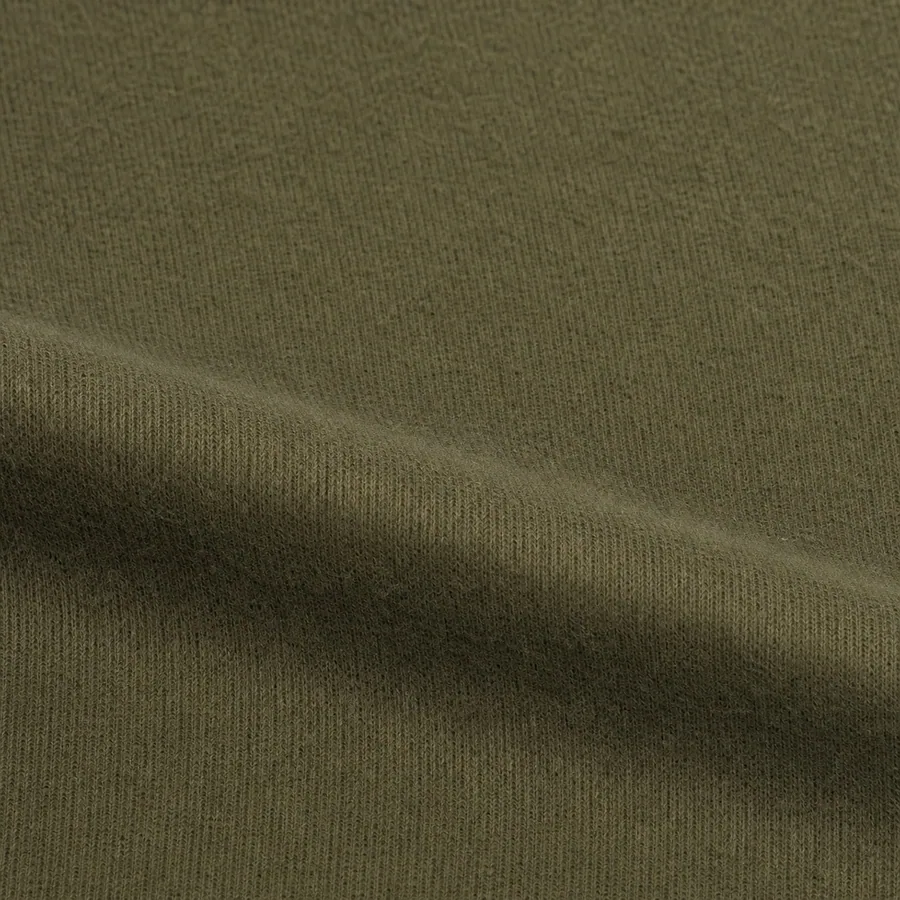
AI-generated representative macro of Stretch double weave showing its visible face structure
Representative AI macro · face

Planning visual only; not an exact mill grade, colour standard or tested sample. Resolve the outer weave and matte or lustrous finish accurately.

FAB-005Planning range

Stretch double weave

Single-layer double-face woven with a durable outer face and a differentiated inner surface.

Planning weight
170–300 gsm
Layer role
main body, reinforcement

Provides a controlled outer surface, movement and a distinct inner hand without requiring a bonded backer.

Articulated trousersKnee and seat zonesMobility panels
Request this construction in a sample
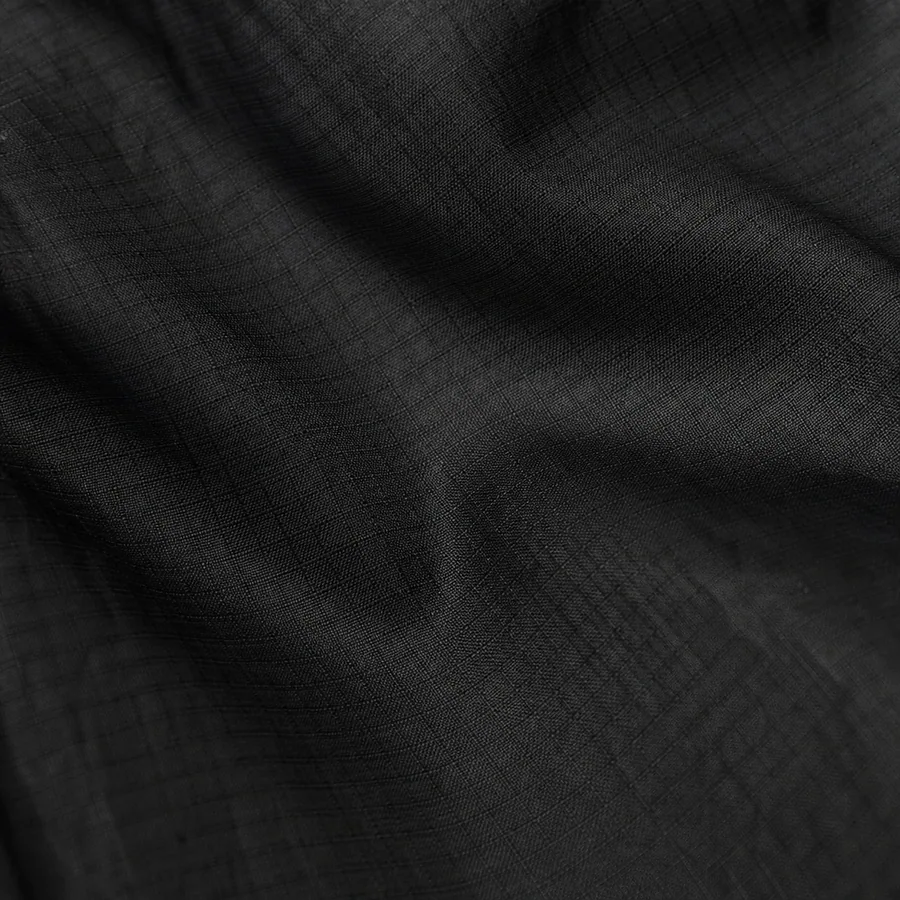
AI-generated representative macro of Grid fleece showing its visible face structure
Representative AI macro · face

Planning visual only; not an exact mill grade, colour standard or tested sample. Show the true face knit without adding a grid if none exists.

FAB-006Planning range

Grid fleece

Knit with raised grid zones separated by lower channels.

Planning weight
140–260 gsm
Layer role
next to skin, midlayer

The raised and recessed geometry can place loft where wanted while reducing continuous bulk.

Active midlayersMapped warmth zonesCold-weather base layers
Request this construction in a sample
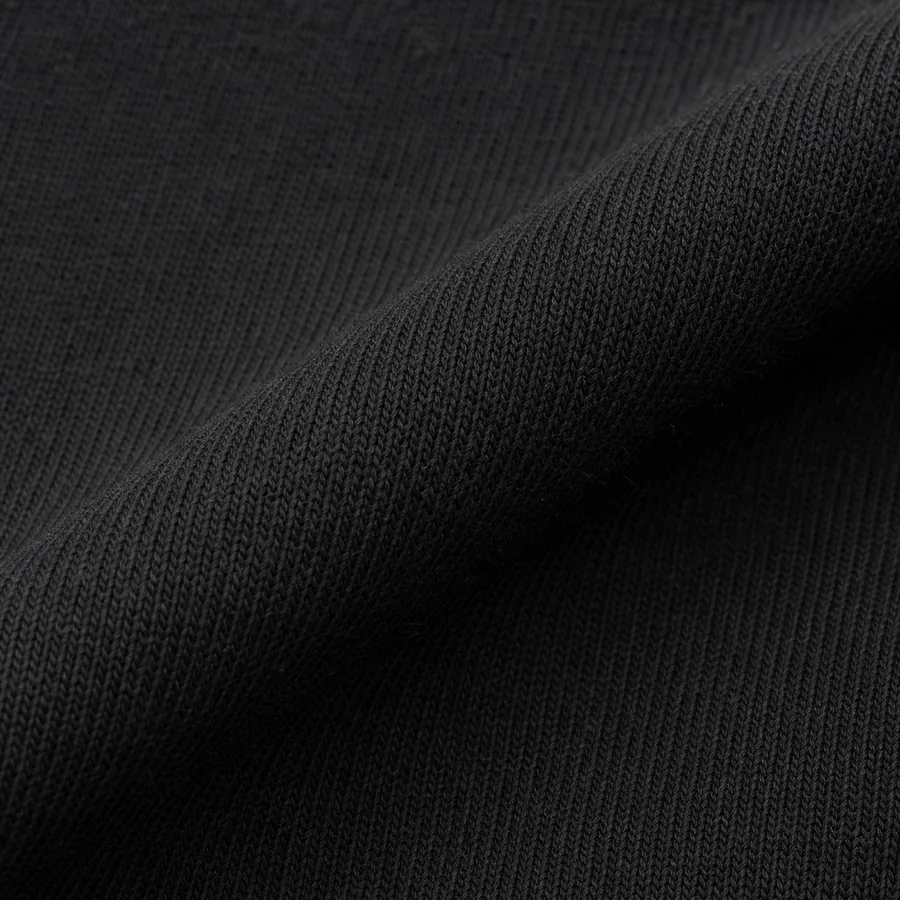
AI-generated representative macro of Merino or merino-blend jersey showing its visible face structure
Representative AI macro · face

Planning visual only; not an exact mill grade, colour standard or tested sample. Resolve fine knit loops and the actual fibre halo at true scale.

FAB-008Planning range

Merino or merino-blend jersey

Fine-gauge weft knit intended for next-to-skin or light layering use.

Planning weight
145–230 gsm
Layer role
next to skin, midlayer

A candidate where buyers prioritize next-to-skin comfort, moisture buffering and natural-fibre hand.

Cold-weather base layersLow-bulk layering topsHunting next-to-skin systems
Request this construction in a sample
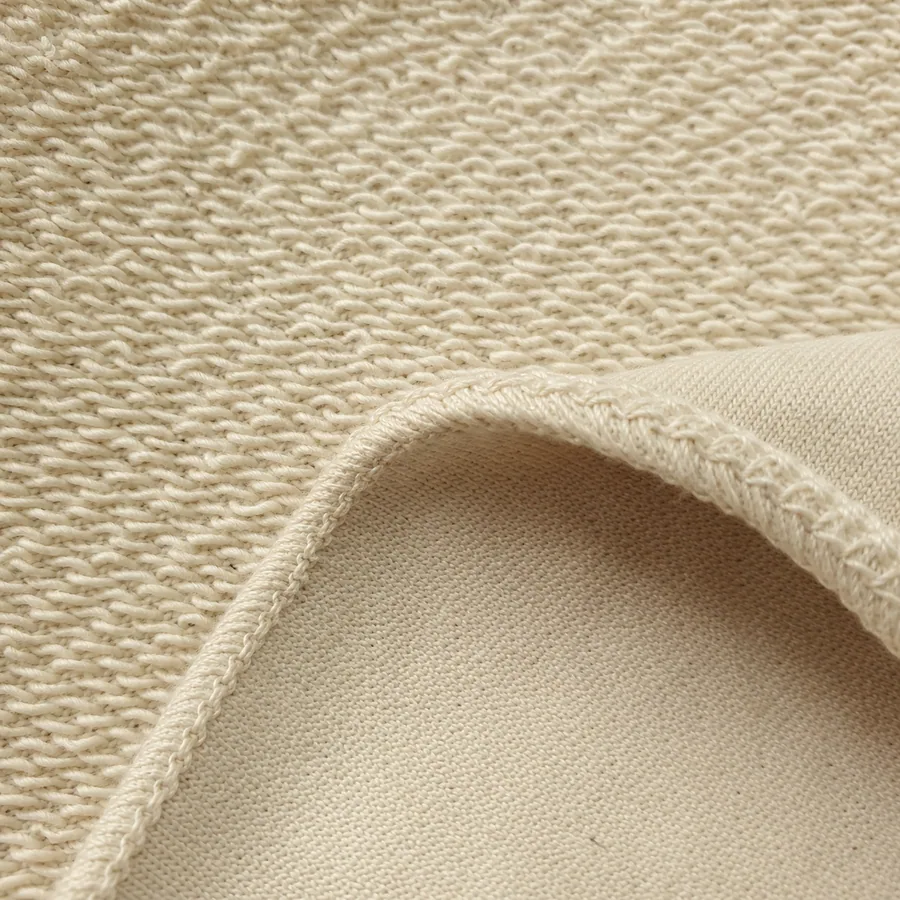
face

Show the actual fibre web rather than a woven surface.

FAB-009Planning range

Synthetic sheet insulation

Needled, carded or continuous-filament loft layer used inside an assembled garment system.

Planning weight
40–200 g/m² basis weight
Layer role
insulation

Offers selectable loft and warmth direction in a cuttable layer that can be zoned within a garment.

Insulated ski jackets and bibsCold stationary hunting layersMapped technical insulation
Request this construction in a sample
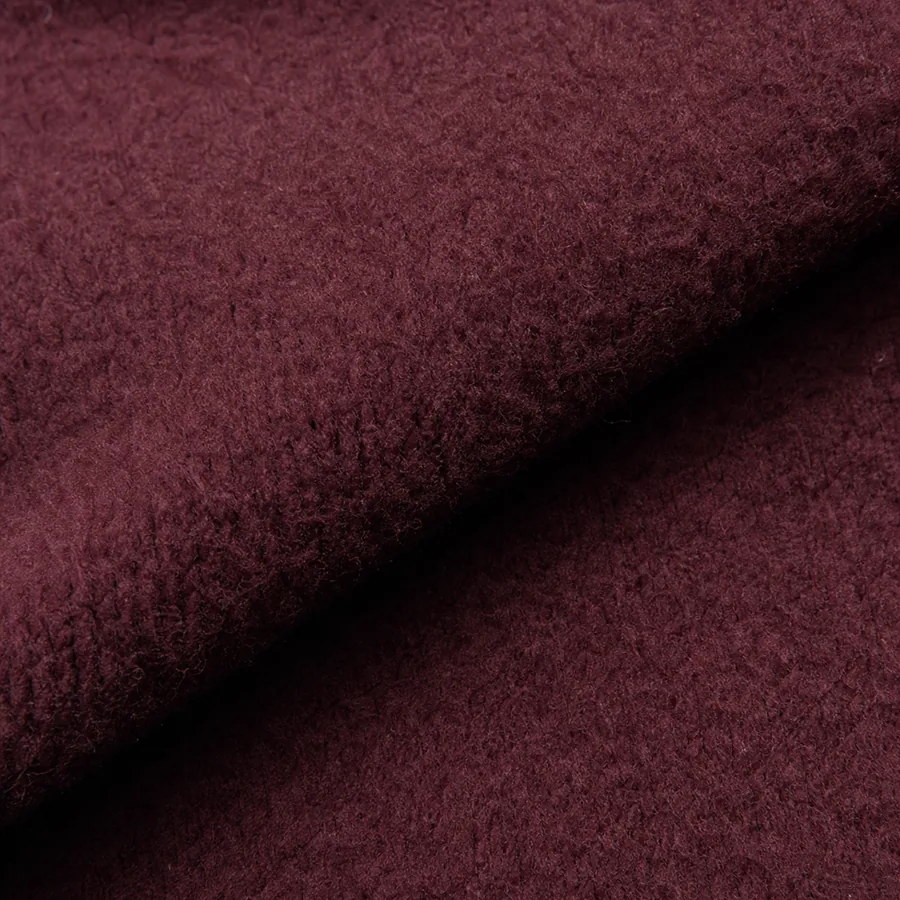
AI-generated representative macro of Quiet brushed tricot showing its visible face structure
Representative AI macro · face

Planning visual only; not an exact mill grade, colour standard or tested sample. Show nap direction with raking light and no invented camouflage.

FAB-010Planning range

Quiet brushed tricot

Brushed knit or tricot face used alone or as the outer face of a laminate.

Planning weight
170–320 gsm
Layer role
weather shell, main body

A raised face can reduce hard-surface rustle and provide a warmer, matte hand.

Close-range hunting outer layersStand-hunting jacketsBrushed-face rain systems after verification
Request this construction in a sample
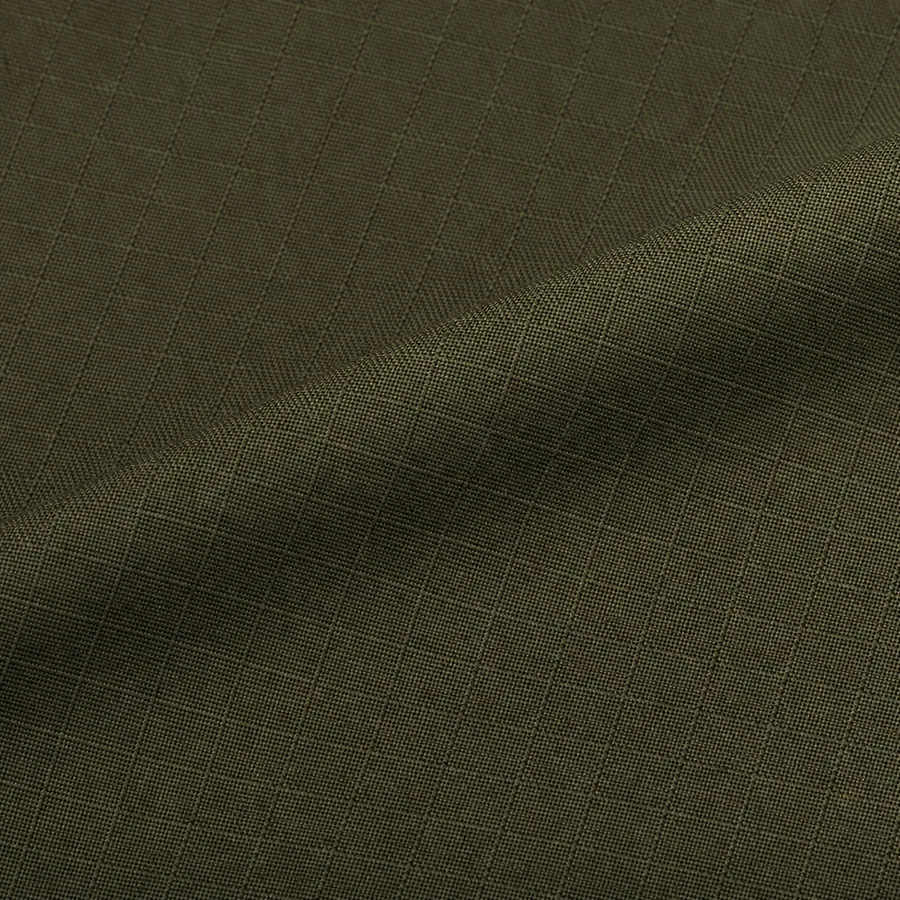
face

Use raking light to show the genuine peached surface.

FAB-011Planning range

Peached woven

Plain or twill woven with a sueded or peached surface finish.

Planning weight
180–300 gsm
Layer role
main body

Combines a durable woven body with a softer, lower-glare surface direction.

Quiet field trousersUtility overshirtsMatte heritage outer layers
Request this construction in a sample
AI-generated representative macro of High-tenacity ripstop showing its visible face structure
Representative AI macro · face

Planning visual only; not an exact mill grade, colour standard or tested sample. Resolve the real reinforcement grid and yarn intersections.

FAB-012Planning range

High-tenacity ripstop

Plain weave with periodic reinforcement yarns forming a visible or subtle grid.

Planning weight
90–240 gsm
Layer role
weather shell, main body, reinforcement

A reinforcement grid can help control tear propagation while providing a clear technical surface structure.

Abrasion-zone panelsPackable shellsTechnical overshirts
Request this construction in a sample
face

Use colour-managed reference photography; do not infer compliance from vividness.

FAB-013Planning range

Blaze-orange outer fabric

High-chroma woven or knit outer material, optionally combined with weather or quiet-face construction.

Planning weight
120–260 gsm
Layer role
visibility, weather shell

Provides a high-visibility colour direction where the exact market and garment brief requires it.

Hunting visibility panelsVisibility shellsProgram-specific conspicuity garments
Request this construction in a sample
AI-generated representative macro of Heavyweight single jersey showing its visible face structure
Representative AI macro · face

Planning visual only; not an exact mill grade, colour standard or tested sample. Show dense face wales at real scale.

FAB-015Planning range

Heavyweight single jersey

Dense weft knit with face wales and reverse sinker loops.

Planning weight
230–320 gsm
Layer role
main body

Adds opacity and body for silhouettes that should hold shape instead of collapsing like lightweight jersey.

Boxy T-shirtsOversized long sleevesStructured jersey tops
Request this construction in a sample
AI-generated representative macro of French terry showing its visible face structure
Representative AI macro · face

Planning visual only; not an exact mill grade, colour standard or tested sample. Show the smooth jersey face.

FAB-016Planning range

French terry

Jersey face with unbrushed loops or floats on the reverse.

Planning weight
230–460 gsm
Layer role
main body

The smooth face supports decoration while the unbrushed loop reverse gives body without a fleece nap.

Hoodies and sweatshirtsJoggers and shortsTrans-seasonal matching sets
Request this construction in a sample
AI-generated representative macro of 3-end brushed fleece showing its visible face structure
Representative AI macro · face

Planning visual only; not an exact mill grade, colour standard or tested sample. Show the dense jersey face.

FAB-017Planning range

3-end brushed fleece

Jersey face with an inlay or back yarn raised by napping on the reverse.

Planning weight
280–460 gsm
Layer role
main body, midlayer

Provides body on the face and a soft raised interior for cold-weather streetwear.

Heavyweight hoodiesCold-weather sweat setsBrushed crewnecks
Request this construction in a sample
face

Show the true rib repeat and vertical columns.

FAB-018Planning range

Matching rib knit

1×1, 2×2 or engineered rib with alternating knit and purl columns.

Planning weight
220–420 gsm
Layer role
reinforcement, main body

Provides extensibility and recovery at openings while visually coordinating with the main body fabric.

CuffsWaistbandsCollars
Request this construction in a sample
face

Show diagonal twill ridges at accurate scale.

FAB-019Planning range

Cotton twill

2/1 or 3/1 diagonal woven construction.

Planning weight
200–330 gsm
Layer role
main body

Offers a recognizable diagonal surface, structure and a stable base for utility silhouettes.

Cargo trousersOvershirtsChore jackets
Request this construction in a sample
face

Show the indigo warp-faced twill.

FAB-020Planning range

Denim

Typically an indigo warp-faced 2/1 or 3/1 twill with lighter weft yarns.

Planning weight
8–14 oz/yd² (about 271–475 gsm)
Layer role
main body, reinforcement

Combines a strong visual twill with wash-development and ageing possibilities central to many streetwear programs.

JeansDenim jacketsOvershirts
Request this construction in a sample
face

Show the air-textured yarn surface and exact weave.

FAB-022Planning range

Nylon Taslan

Plain, twill or dobby woven made with air-textured nylon yarn.

Planning weight
90–220 gsm
Layer role
weather shell, main body

Air-textured yarn can give nylon a less glossy, more cotton-like surface while retaining low mass.

Track jacketsWindbreakersCargo shells
Request this construction in a sample
face

Show diagonal twill and actual colour.

FAB-023Planning range

Polycotton uniform twill

2/1 or 3/1 woven twill developed for shirting, trousers, jackets or coveralls.

Planning weight
150–300 gsm
Layer role
main body

Offers a configurable balance of appearance, dimensional stability, comfort and wear for everyday uniform programs.

Security shirtsDuty trousersNon-protective jackets
Request this construction in a sample
AI-generated representative macro of Polycotton ripstop showing its visible face structure
Representative AI macro · face

Planning visual only; not an exact mill grade, colour standard or tested sample. Show the reinforcement grid without exaggerating it.

FAB-024Planning range

Polycotton ripstop

Polyester-cotton woven with periodic reinforcement yarns.

Planning weight
180–250 gsm
Layer role
main body, reinforcement

Adds a reinforcement grid to a uniform-friendly blended woven construction.

Duty trousersField shirtsUtility uniforms
Request this construction in a sample
face

Show the exact fine weave at true macro scale.

FAB-025Planning range

Tropical uniform shirting

Light plain or twill woven selected for airflow, opacity and uniform appearance.

Planning weight
110–190 gsm
Layer role
main body

Prioritizes heat release and lower bulk for long shifts in warm conditions.

Hot-climate security shirtsLightweight guard uniformsWarm indoor duty
Request this construction in a sample
face

Show the twill or plain structure without visually faking stretch.

FAB-026Planning range

Stretch uniform twill

Uniform woven with elastane, PBT, textured yarn or mechanical stretch.

Planning weight
200–300 gsm
Layer role
main body

Adds movement and potential fit retention to a structured duty-uniform surface.

Patrol trousersArticulated duty uniformsMobility-focused technical pants
Request this construction in a sample
face

Use colour-managed reference imagery for the background material.

FAB-027Planning range

High-visibility background and tape system

Fluorescent background textile combined with a documented retroreflective material and garment layout.

Planning weight
Supplier-specific
Layer role
visibility

Addresses conspicuity when a risk assessment and applicable standard require a complete high-visibility garment.

Roadside dutyLogistics and traffic-control programsMarket-specific visibility garments
Request this construction in a sample
face

Show a neutral, source-matched textile macro only.

FAB-028Planning range

FR or antistatic uniform system

Inherent or treated protective textile combined with compatible seams, trims and garment design.

Planning weight
Supplier-specific
Layer role
main body, weather shell

Protective systems belong in a separate evidence track when a formal risk assessment identifies a heat, flame or electrostatic requirement.

Only a documented hazard-specific uniform program
Request this construction in a sample
face

Resolve the dense basket repeat accurately.

FAB-030Planning range

Ballistic nylon

Dense basket weave, often using high-tenacity nylon yarn.

Planning weight
300–500+ gsm
Layer role
reinforcement, accessory

Provides a dense, visibly rugged basket structure for high-wear zones and load-bearing accessories.

High-wear panelsPacks and pouchesStructured vests
Request this construction in a sample
face

Show the actual open or closed face knit.

FAB-031Planning range

3D spacer mesh

Two knitted faces held apart by pile or spacer yarns.

Planning weight
160–350 gsm
Layer role
lining, reinforcement, accessory

Can provide separation, cushioning and airflow without using a solid foam layer in selected applications.

Ventilated back panelsHarness interfacesPadding zones
Request this construction in a sample
face

Show the textile carrier surface.

FAB-032Planning range

TPU-laminated weldable fabric

Woven or knit textile laminated to a thermoplastic polyurethane film.

Planning weight
160–350 gsm
Layer role
weather shell, reinforcement, accessory

Enables selected seams or components to be heat welded while providing a controllable barrier layer.

Welded pocketsWeatherproof panelsDry-bag-style accessories
Request this construction in a sample
face

Show the exact composite face from the supplied reference.

FAB-033Planning range

UHMWPE composite

Cross-ply, woven-composite or hybrid laminate architecture.

Planning weight
Supplier-specific
Layer role
main body, reinforcement, accessory

Offers specialised strength-to-weight and dimensional-stability directions in selected composite architectures.

Ultralight packsHigh-strength-to-weight panelsQualified innovation programs
Request this construction in a sample
face

Capture the physical surface under neutral light.

FAB-034Planning range

Reflective or light-reactive textile

Coated, printed, glass-bead or film-based reflective surface carried on a textile.

Planning weight
Supplier-specific
Layer role
visibility, reinforcement

Creates a strong change between ambient and directed light while supporting utility or visual-design goals.

Low-light detailingUtility panelsReflective graphics
Request this construction in a sample

Side-by-side decision support

Example planning comparison

Planning bands guide sampling conversations. They are not a production specification or a tested result.

Comparison of selected fabric constructions
Material systemPlanning weightConstructionWhy consider itTradeoffs to sampleEvidence state
3-layer waterproof laminate120–220 gsmWoven face bonded to a membrane and protective knit or woven backer.Combines face, barrier and protective backer into one bonded shell package, reducing the need for a loose protective lining.Hand, sound, breathability and durability vary by exact laminate Waterproof fabric does not make seams waterproof Bond durability must be checked after care and ageingPlanning range
2.5-layer lightweight shell80–160 gsmWoven face, membrane or coating, and a printed or applied inner protective treatment.Can reduce mass and packed volume when a full textile backer is not required.May feel less comfortable next to skin Inner print or treatment can abrade Low mass does not establish durabilityPlanning range
Bonded softshell240–380 gsmStretch woven face bonded to tricot, fleece or a membrane-backed inner layer.Balances movement, a controlled outer face and optional inner warmth in one material system.Softshell is not automatically waterproof Warm bonded grades may be unsuitable for high-output use Elastomer and bond durability need care-cycle checksPlanning range
Stretch double weave170–300 gsmSingle-layer double-face woven with a durable outer face and a differentiated inner surface.Provides a controlled outer surface, movement and a distinct inner hand without requiring a bonded backer.Stretch percentages are method-dependent Elastomer can be affected by heat and ageing Airflow and weather resistance vary by weave and finishPlanning range
FAB-001

3-layer waterproof laminate

Planning range
Planning weight
120–220 gsm
Construction
Woven face bonded to a membrane and protective knit or woven backer.
Why consider it
Combines face, barrier and protective backer into one bonded shell package, reducing the need for a loose protective lining.
Tradeoffs to sample
Hand, sound, breathability and durability vary by exact laminate Waterproof fabric does not make seams waterproof Bond durability must be checked after care and ageing
FAB-003

2.5-layer lightweight shell

Planning range
Planning weight
80–160 gsm
Construction
Woven face, membrane or coating, and a printed or applied inner protective treatment.
Why consider it
Can reduce mass and packed volume when a full textile backer is not required.
Tradeoffs to sample
May feel less comfortable next to skin Inner print or treatment can abrade Low mass does not establish durability
FAB-004

Bonded softshell

Planning range
Planning weight
240–380 gsm
Construction
Stretch woven face bonded to tricot, fleece or a membrane-backed inner layer.
Why consider it
Balances movement, a controlled outer face and optional inner warmth in one material system.
Tradeoffs to sample
Softshell is not automatically waterproof Warm bonded grades may be unsuitable for high-output use Elastomer and bond durability need care-cycle checks
FAB-005

Stretch double weave

Planning range
Planning weight
170–300 gsm
Construction
Single-layer double-face woven with a durable outer face and a differentiated inner surface.
Why consider it
Provides a controlled outer surface, movement and a distinct inner hand without requiring a bonded backer.
Tradeoffs to sample
Stretch percentages are method-dependent Elastomer can be affected by heat and ageing Airflow and weather resistance vary by weave and finish

Weight without shortcuts

GSM measures mass—not quality

GSM is grams per square metre: the mass of a conditioned material specimen divided by its area. It is useful for comparing identified grades of similar construction, but it does not describe the material system by itself.

GSM can help describe
  • Measured mass per unit area for the identified specimen and method
  • A useful planning field for comparing similar constructions
  • One input into yield, bulk, drape and garment-weight decisions
GSM does not prove
  • Warmth, breathability, waterproofness or durability on its own
  • Yarn denier, weave or knit topology, finish, membrane or coating
  • Whether a fabric, production lot or finished garment meets a requirement

System note: Keep shell-fabric GSM, insulation basis weight and finished-garment weight separate. A 100 g/m² insulation layer is not a 100 gsm jacket, and two 240 gsm materials can behave differently when one is French terry, one is twill and one is stretch double weave.

Five different product problems

Explore fabrics by use case

Each pathway changes the order of decisions, the tradeoffs to inspect, and the evidence required before bulk production.

01

Fabric system guide · Skiwear

Skiwear

Choose the activity and exposure first. High-output touring, resort use and stationary cold do not need the same balance of vapour resistance, warmth, protection and durability.Open the skiwear guide
02

Fabric system guide · Hunting wear

Hunting wear

Define pursuit, movement, cover, precipitation and dwell time before selecting a surface. Quietness, low water uptake, durability and packability often pull in different directions.Open the hunting wear guide
03

Fabric system guide · Streetwear

Streetwear

Choose silhouette and surface behaviour before chasing a GSM number. Construction controls whether the garment stands, drapes, stretches, warms or accepts a wash and decoration route.Open the streetwear guide
04

Fabric system guide · Security uniforms

Security uniforms

Separate everyday uniform durability from hazard protection. First define climate, duty, wash route and movement; then identify whether a current standard is actually required.Open the security uniforms guide
05

Fabric system guide · Techwear

Techwear

Start with the function and assembly route for each garment zone. A technically styled surface is useful only when its hand, strength, stretch, barrier or bonding behaviour is verified.Open the techwear guide

From planning record to approved material

A fabric choice becomes real through sampling and evidence

  1. 01

    Define the conditions

    Document the wearer, market, climate, movement, garment zone, care route and required evidence before selecting a cloth.

  2. 02

    Screen material directions

    Use the library to compare constructions, planning weights, likely tradeoffs and the questions each material still needs to answer.

  3. 03

    Verify the source record

    Attach the current supplier grade, composition, width, measured weight, finish, colour, minimum order and available test documentation.

  4. 04

    Approve a physical swatch

    Review face, reverse, scale, hand, drape, stretch, opacity, sound and shade on the real material; AI imagery is a disclosed navigation aid only.

  5. 05

    Build and test the system

    Trial seams, tape, bonds, washes, prints, trims and garment zones, then record results against the exact sample and method.

Image and proof boundary

A close-up visual helps recognition. It does not verify performance.

AI-generated swatch images are visual references only when based on supplied material data and a physical reference. Exact colour, hand, structure, finish and performance must be confirmed on a physical production swatch.

Generated rulers, certificates, branded fibre marks and unstated test results are not accepted as evidence.

Evidence register

Sources and interpretation limits

Sources support definitions, planning ranges, or test-method context. They do not verify an untested production fabric.

  1. ASTM InternationalASTM D3776/D3776M

    Fabric mass per unit area and sampling context.

    Limit: The public abstract supports method-level context only; a tested specimen does not establish an entire production lot.
  2. International Organization for StandardizationISO 3801:1977

    Mass per unit length and mass per unit area for woven fabrics.

    Limit: Its woven scope should not be presented as a universal composite or insulation method.
  3. International Organization for StandardizationISO 811:2018

    Hydrostatic water-penetration resistance testing.

    Limit: The method does not define one universal pass value for every garment or end use.
  4. International Organization for StandardizationISO 11092:2026

    Thermal resistance and water-vapour resistance under steady-state conditions.

    Limit: Results should not be compared directly with values produced by unrelated breathability methods.
  5. International Organization for StandardizationISO 12947-2:2016

    Martindale abrasion specimen breakdown for suitable textile fabrics.

    Limit: The stated scope excludes coated fabrics; choose a method appropriate to the exact construction.
  6. International Organization for StandardizationISO 20471:2013

    High-visibility colour, retroreflection, material area and garment placement requirements.

    Limit: A fluorescent swatch alone is not a compliant garment; current edition and market requirements must be reconfirmed.
  7. International Organization for StandardizationISO 11612:2015

    Heat- and flame-protective clothing requirements.

    Limit: Never infer protection from appearance or fibre description; documentary evidence must match the exact fabric and garment system.
  8. CottonWorks / Cotton IncorporatedSingle and double knits

    Structural distinctions among jersey, French terry and brushed fleece.

    Limit: Educational cotton-focused guidance, not an SSM specification or universal grade range.
  9. CottonWorks / Cotton IncorporatedDigital cotton fabric examples

    Example jersey, French-terry and fleece weights.

    Limit: Example digital materials are used to inform planning bands only.
  10. CottonWorks / Cotton IncorporatedDenim construction

    Warp-faced twill, yarn and denim construction vocabulary.

    Limit: Specific performance still depends on yarn, dye, finishing and wash development.

Physical sample before bulk

Turn a use case into a fabric brief

Share the garment, climate, layer, target hand, planning weight, construction and evidence needs. The next step is to compare real material references and build a sample route around the selected use case.

Request a fabric-led sample