Put validation at the correct stage
Review source documents before cutting, compatibility during development, fit and function on prototypes, agreed tests before release and workmanship during inspection.
Skiwear development system — Apparel-only planning from mission brief to controlled standard. Explore Skiwear
Evidence and Validation Planning
Build every validation statement as target, article or specimen, method, condition, pass criterion, result and supported wording.
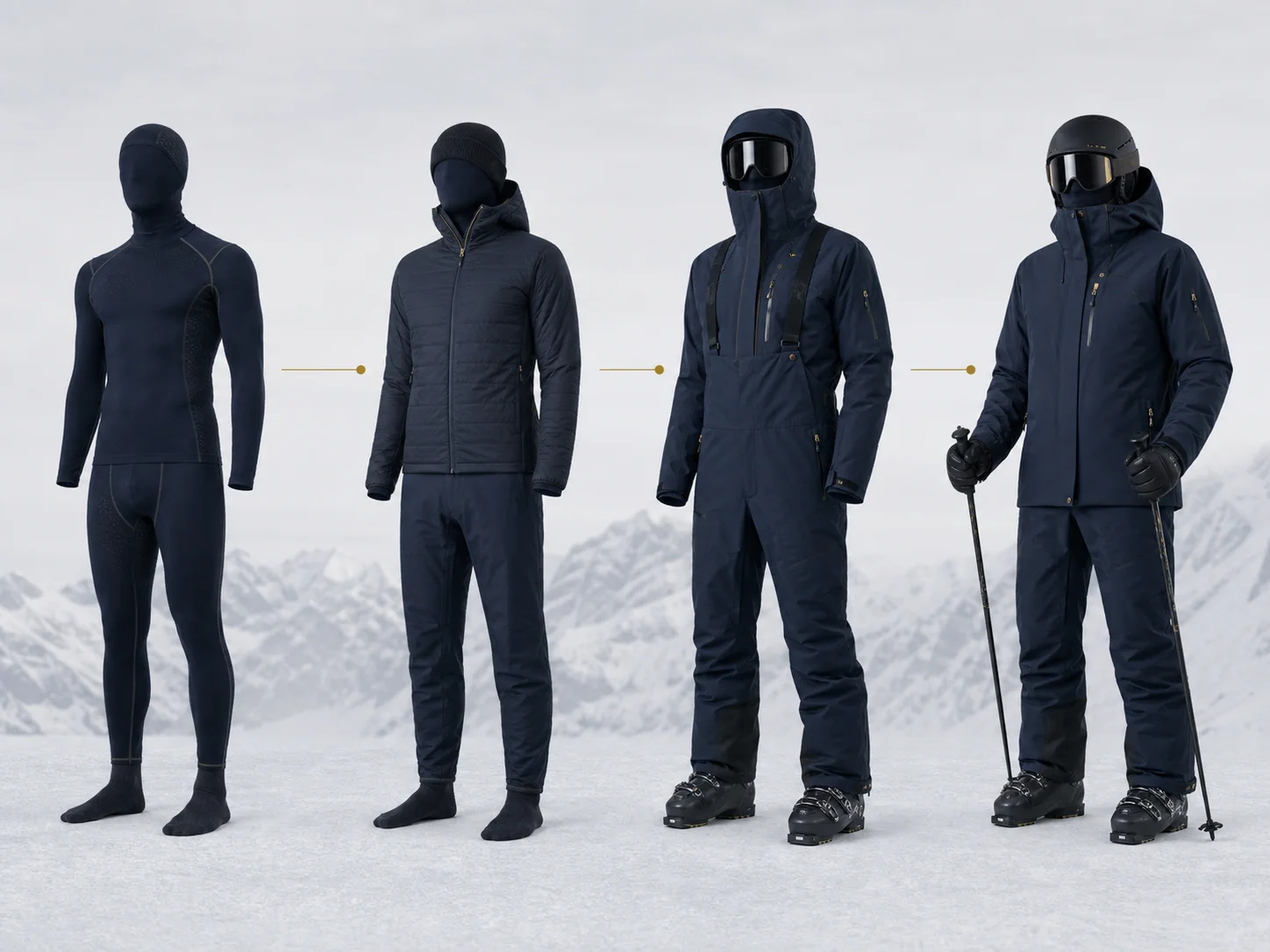
Mission-to-product decisions
Review source documents before cutting, compatibility during development, fit and function on prototypes, agreed tests before release and workmanship during inspection.
Supplier fabric data, seam trials, prototype checks, finished-garment results, wear trials and bulk inspection records support different statements.
Brief-to-Bulk control
User, discipline, conditions, layer role and intended market.
Construction, materials, fit, features, sizing, trims and care.
Fit, function, validation scope, evidence and recorded approval.
Approved specification, change record and reorder reference.
Evidence needed
Current methods, specimens, conditions, pass criteria, dated reports, inspection records and approval owners are required for verified-result language.
Define the evidence planContinue the system
Direct answers
The buyer and manufacturer should agree the target, method, article and acceptance criterion before interpreting a result.
No. Seams, zippers, construction, workmanship and the condition of the assembled garment require their own agreed validation scope.
Include the discipline, user, climate, activity level, product family, layer role, fit, size range, target features, intended market, reference files and evidence requirements.
Bring us the mission—not just the product name
Share the intended discipline, user, climate, layer role, fit direction, size range, reference files and evidence expectations. The brief keeps this page context attached to your inquiry.