Now Accepting Development EnquiriesShare your product brief, target quantity and destination market.

Home / Skiwear / Ski Jackets

Ski Jacket Development

Specify the Jacket Around Its Real Ski Mission

A ski jacket is a connected system of material architecture, construction, insulation, fit, movement and interfaces. Begin with who will wear it, where, at what output and over which layers.

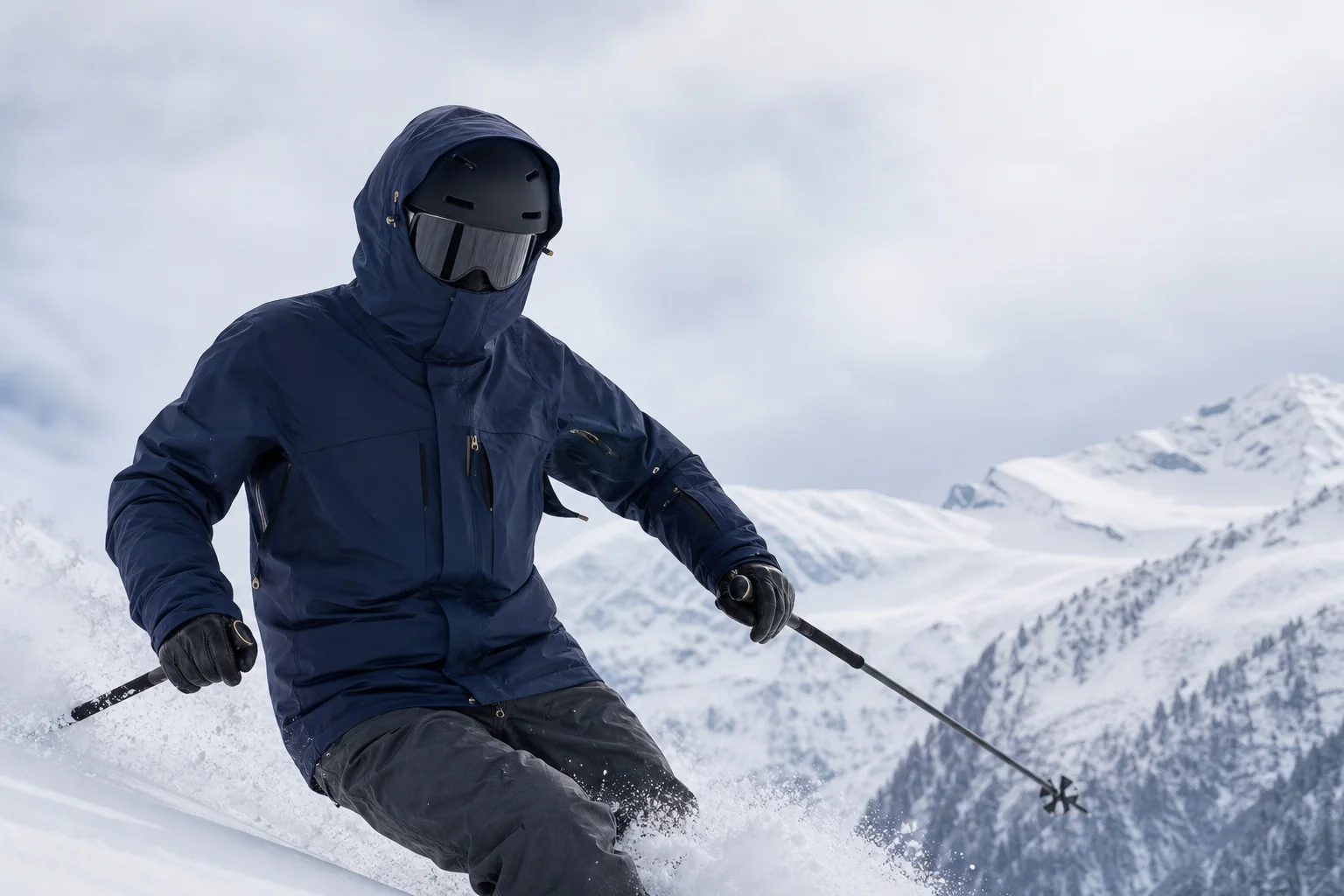
Generated editorial concept of an unbranded technical ski jacket in mountain conditions
Generated editorial concept

Mission-to-product decisions

Define the product before selecting isolated features

Decision 01

Choose the architecture

Shell, lined-shell, insulated and hybrid jackets solve different combinations of protection, warmth, weight, packability and internal comfort. The right direction depends on the mission and validation plan—not a membrane number alone.
Decision 02

Resolve the interfaces

Define hood and collar coverage, closure architecture, vent position, pocket use, powder interface, cuff and glove interaction, hem adjustment, reinforcement, reach, grade and tolerance as one system.

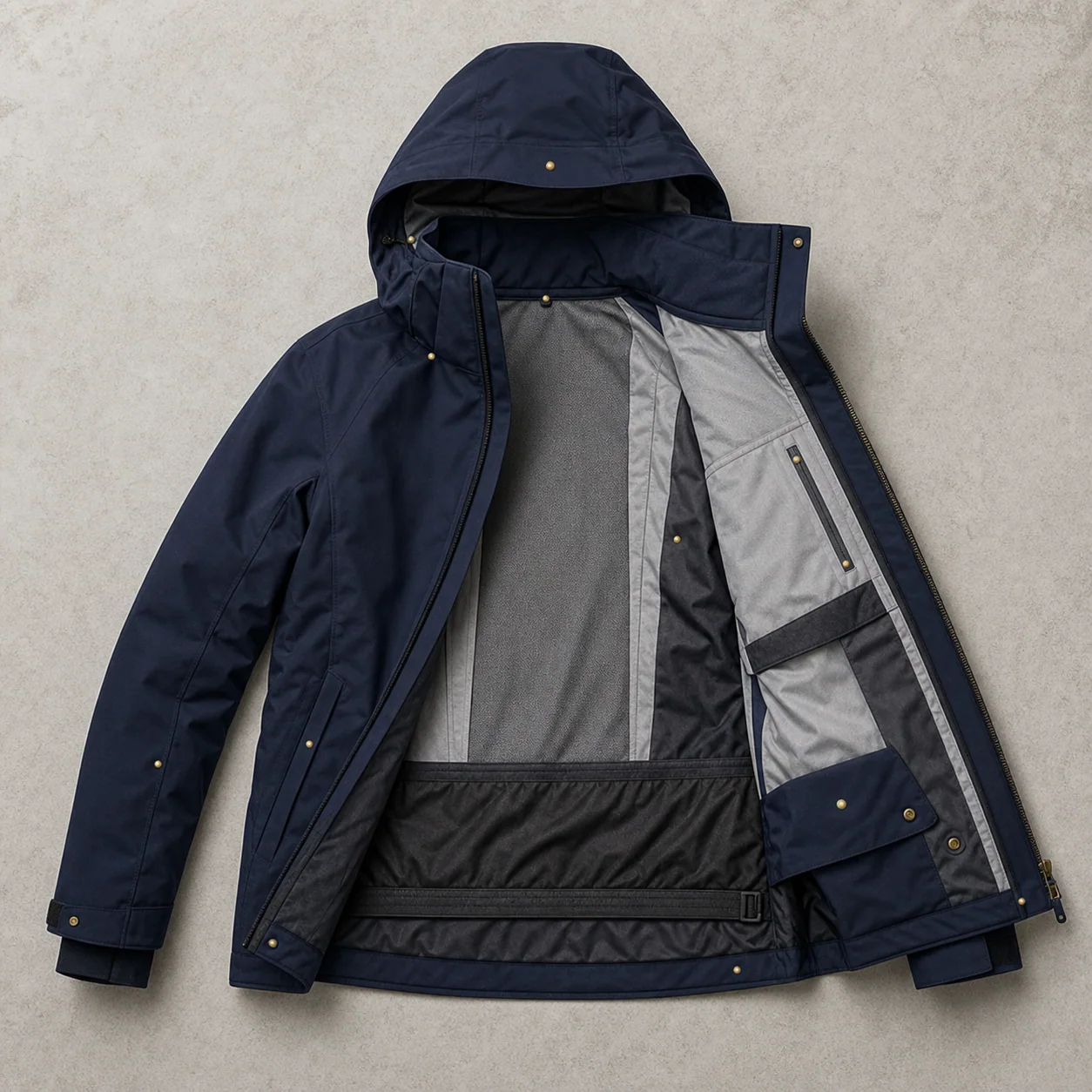
Generated explanatory concept showing ski jacket interior construction zones
Generated editorial concept

Construction anatomy

Resolve every interface as part of one jacket

Hood and collar
Coverage, adjustment, nesting and closure junction.
Closures and pockets
Use, access, zipper ends, storm protection and pocket bags.
Vents and articulation
Position, reach, stance and interaction with layer volume.
Cuffs and hem
Glove interface, adjustment, snow interface and movement.
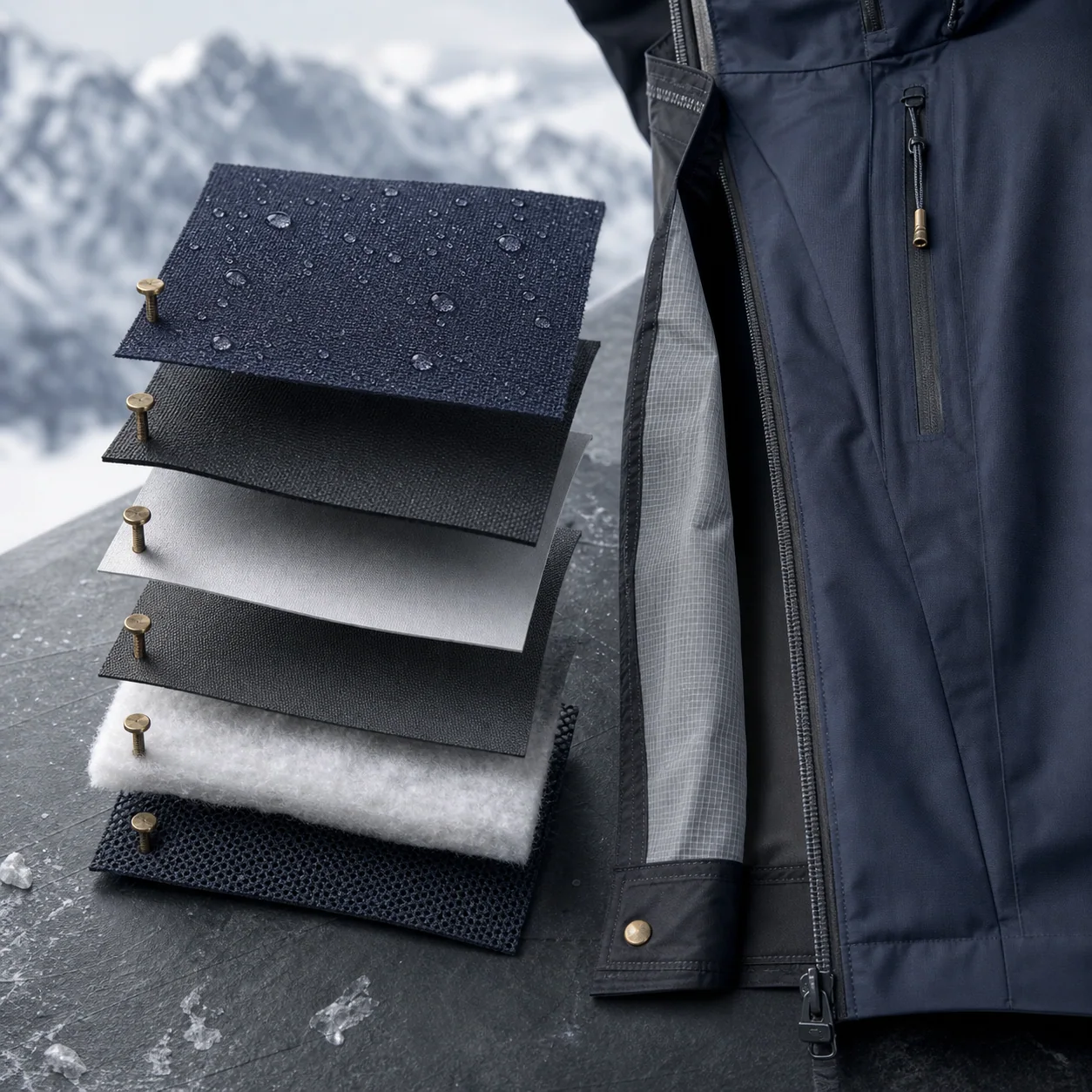
Generated explanatory concept of an abstract ski jacket material stack
Generated editorial concept

Material options

A material stack is a compatibility decision

Face textile, barrier, backer or lining, insulation, reinforcement, seam tape, zippers and trims must be reviewed against the mission and intended construction.

Compare ski material systems

Brief-to-Bulk control

Four approval chapters keep the context visible

  1. 01

    Define the mission

    User, discipline, conditions, layer role and intended market.

  2. 02

    Engineer the product

    Construction, materials, fit, features, sizing, trims and care.

  3. 03

    Prove the sample

    Fit, function, validation scope, evidence and recorded approval.

  4. 04

    Control the standard

    Approved specification, change record and reorder reference.

Evidence needed

Keep the researched option separate from verified capability

Current SSM jacket sample, inside-construction photography, seam map, material records, fit review and validation evidence are required before capability claims are published.

Define the evidence plan

Direct answers

Questions to resolve before sampling

Which jacket architecture should we start with?

Start from the mission and layer system, then compare protection, warmth, output, weight, packability, comfort and evidence requirements.

Does a supplier fabric rating prove the finished garment?

No. Seams, zippers, construction, workmanship and the condition of the assembled garment require their own agreed validation scope.

What should a brand include in the first brief?

Include the discipline, user, climate, activity level, product family, layer role, fit, size range, target features, intended market, reference files and evidence requirements.

Bring us the mission—not just the product name

Start a Ski Jacket Brief

Share the intended discipline, user, climate, layer role, fit direction, size range, reference files and evidence expectations. The brief keeps this page context attached to your inquiry.