Treat relaxed fit as an engineered silhouette
Define proportion, reach, rise, knee and seat movement, layering allowance and grade rather than simply increasing a regular size.
Skiwear development system — Apparel-only planning from mission brief to controlled standard. Explore Skiwear
Freeride and Snowboard Programs
Plan relaxed outerwear around long coverage, stance, articulation, reinforcement, venting, snow interfaces, glove and cuff use, pocket organization and graphic placement.
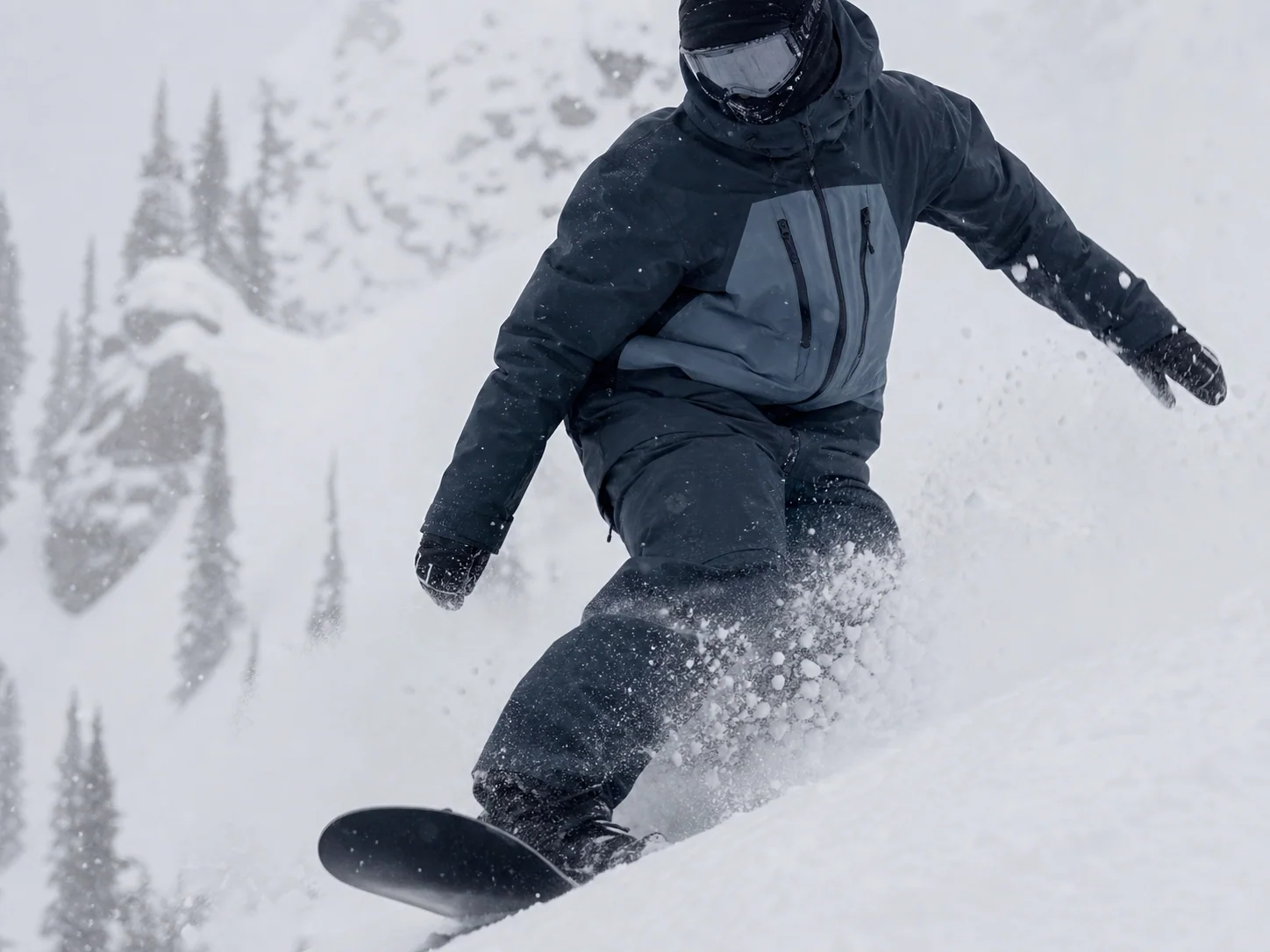
Mission-to-product decisions
Define proportion, reach, rise, knee and seat movement, layering allowance and grade rather than simply increasing a regular size.
Review hem, seat, knee, inner leg, cuff, gaiter, pocket and vent placement in the intended stance and layer condition.
Brief-to-Bulk control
User, discipline, conditions, layer role and intended market.
Construction, materials, fit, features, sizing, trims and care.
Fit, function, validation scope, evidence and recorded approval.
Approved specification, change record and reorder reference.
Evidence needed
Freeride or snowboard-relevant SSM samples, reinforcement details, fit and movement review and validation records are required.
Define the evidence planContinue the system
Direct answers
Use garment measurements, proportions, stance, layering allowance and movement review—not an instruction to size up a regular block.
No. Seams, zippers, construction, workmanship and the condition of the assembled garment require their own agreed validation scope.
Include the discipline, user, climate, activity level, product family, layer role, fit, size range, target features, intended market, reference files and evidence requirements.
Bring us the mission—not just the product name
Share the intended discipline, user, climate, layer role, fit direction, size range, reference files and evidence expectations. The brief keeps this page context attached to your inquiry.