Start from artwork ownership
Proceed only with buyer-owned or licensed artwork. Record files, permissions, colors, placement, scale, and any protected marks.
Now Accepting Orders for SS2026 — Sample turnaround in 7-10 days. Worldwide shipping available. Request a Sample Kit →
Streetwear engineering guide · Artwork to physical result
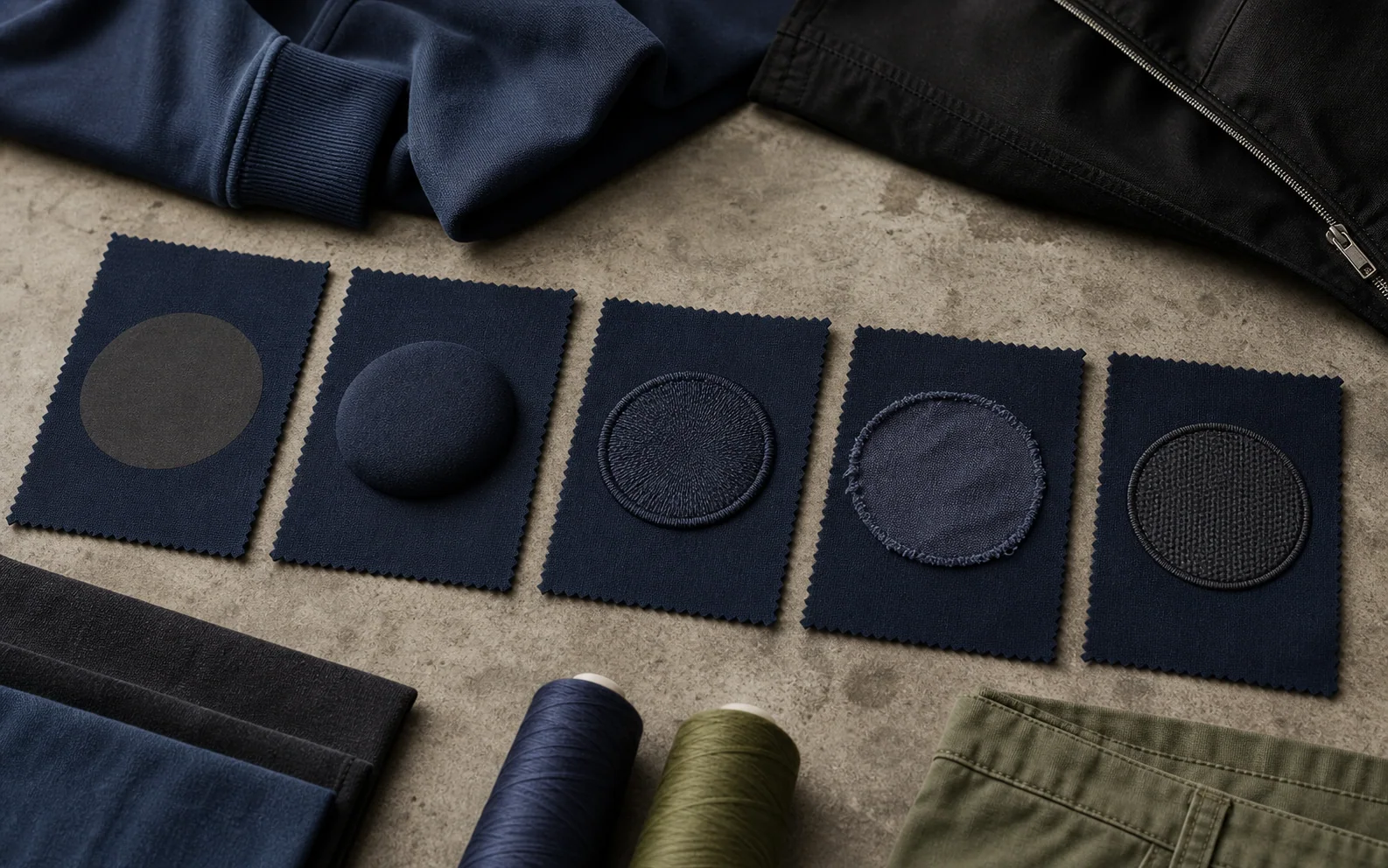
Choose a method after reviewing artwork scale and detail, number of colors, base fabric, stretch, surface, placement, hand feel, wash or finish sequence, durability target, care, and quantity context.
Answer before specification
Screens, films, transfers, threads, appliques, patches, and embellishments should be evaluated at production scale, on the intended substrate, and after any relevant treatment or care process.
02 / Development decisions
Each decision becomes part of the sample brief, approval record, or evidence request. Unknowns remain explicit instead of becoming silent assumptions.
Proceed only with buyer-owned or licensed artwork. Record files, permissions, colors, placement, scale, and any protected marks.
Surface, stretch, heat sensitivity, pile, ribs, seams, coatings, and wash state affect print, embroidery, transfer, applique, and patch feasibility.
Large or dense decoration can stiffen, pull, pucker, block stretch, add weight, or change how the garment hangs.
Decide whether decoration happens before or after washing, assembly, or finishing, then evaluate the relevant care and durability outcome.
03 / Decision matrix
Method names do not guarantee a particular outcome. Ink system, thread, backing, adhesive, equipment, substrate, and process settings require a physical approval.
| Option or system | Best used to define | Controls to record |
|---|---|---|
| Screen or specialty print | Graphic color and surface effects | Mesh or ink system, underbase, detail, hand, cure, stretch, shade, and wash sequence |
| Transfer, DTF, or film | Detailed or flexible artwork routes | Adhesion, edge, hand, heat exposure, stretch, substrate marks, care, and aging |
| Embroidery | Thread-built identity and texture | Stitch count, density, backing, pull compensation, minimum detail, seam clearance, and puckering |
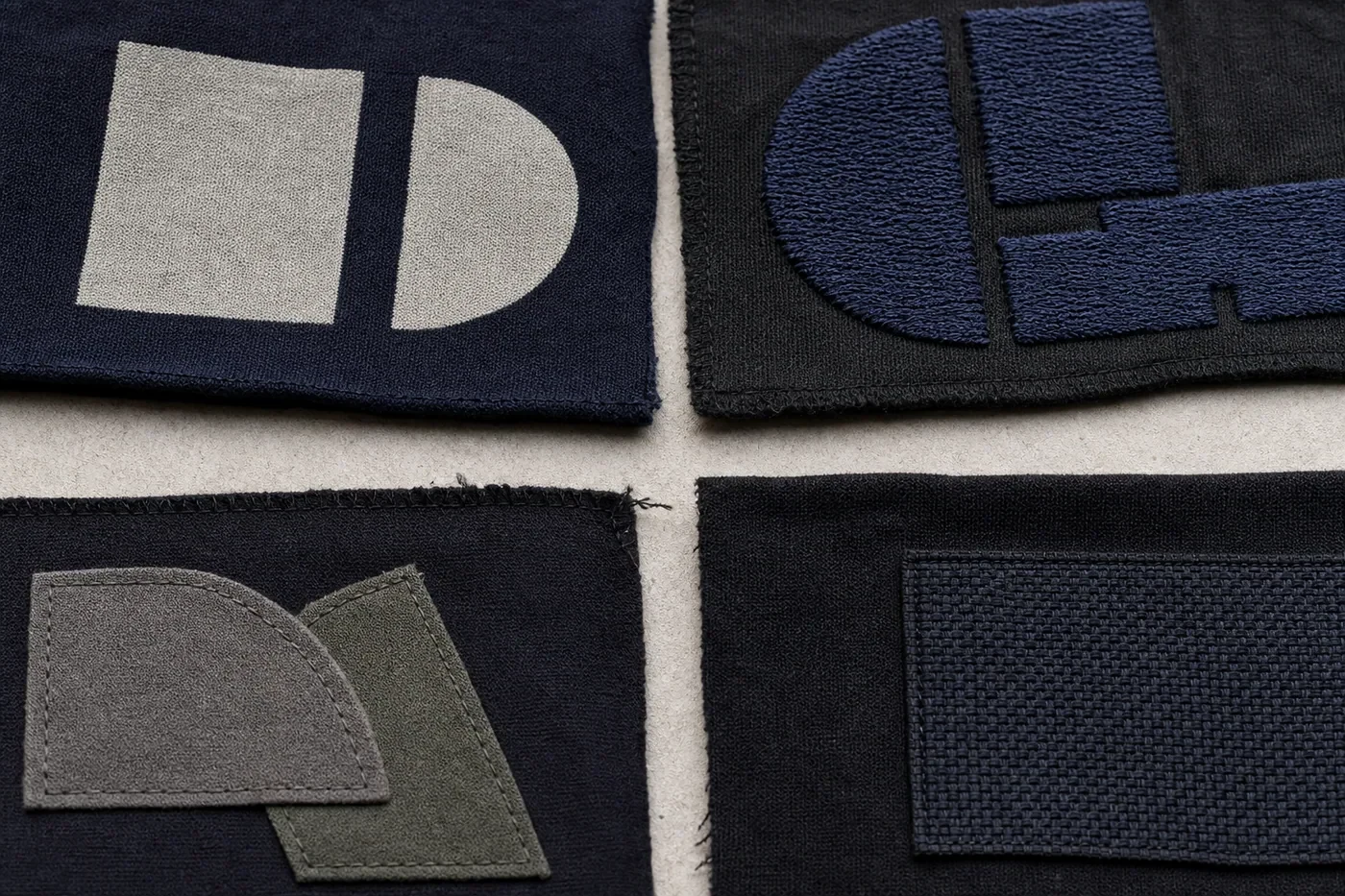
| Applique, patch, or mixed media | Layered dimension and material contrast | Edge finish, attachment, fray, bulk, placement, mixed shrinkage, care, and artwork rights |
04 / Product anatomy
Record artwork dimensions, reference points, orientation, scale by size, seam and pocket clearance, color references, and the approved physical sample.
05 / Failure modes
06 / Sample gates
Confirm artwork rights, file, scale, and colors
Review method and substrate feasibility
Approve physical strike-off or decorated sample
Lock placement, sequence, care, and durability scope
07 / Evidence boundary
Current SSM claims are supported by evidence available upon request. Any record should identify its source, date, method, specimen, result, applicability, and limitation. Generated imagery on this page is explanatory and is not presented as factory, client, material, or test proof.
Editorial depth
The authority page owns the product or process decision. These articles examine a narrower trend, method, specification, or sourcing question without duplicating the parent route.
08 / Connected authority
These links are live canonical routes. They carry the buyer from product scope into the material, surface, quality, or development decision that comes next.
09 / Buyer questions
There is no universal best method. Artwork detail, colors, fabric, stretch, surface, placement, hand, wash sequence, care, quantity, and target durability determine the shortlist.
A strike-off turns a digital intention into a physical result that can be reviewed for color, detail, edge, hand, stretch, placement, substrate interaction, and treatment response.
Only buyer-owned or properly licensed artwork should proceed. References do not transfer trademark, copyright, club, league, sponsor, or brand rights.