Build an original range language
Use references to clarify audience and direction, then create original specifications and approval standards for the buyer's own range.
Skiwear development system — Apparel-only planning from mission brief to controlled standard. Explore Skiwear
Luxury and Private-Label Capsules
Develop original signature silhouettes through one capsule language, resolving movement, material contrast, quilting, trims, color, artwork, handfeel, workmanship and technical feasibility together.
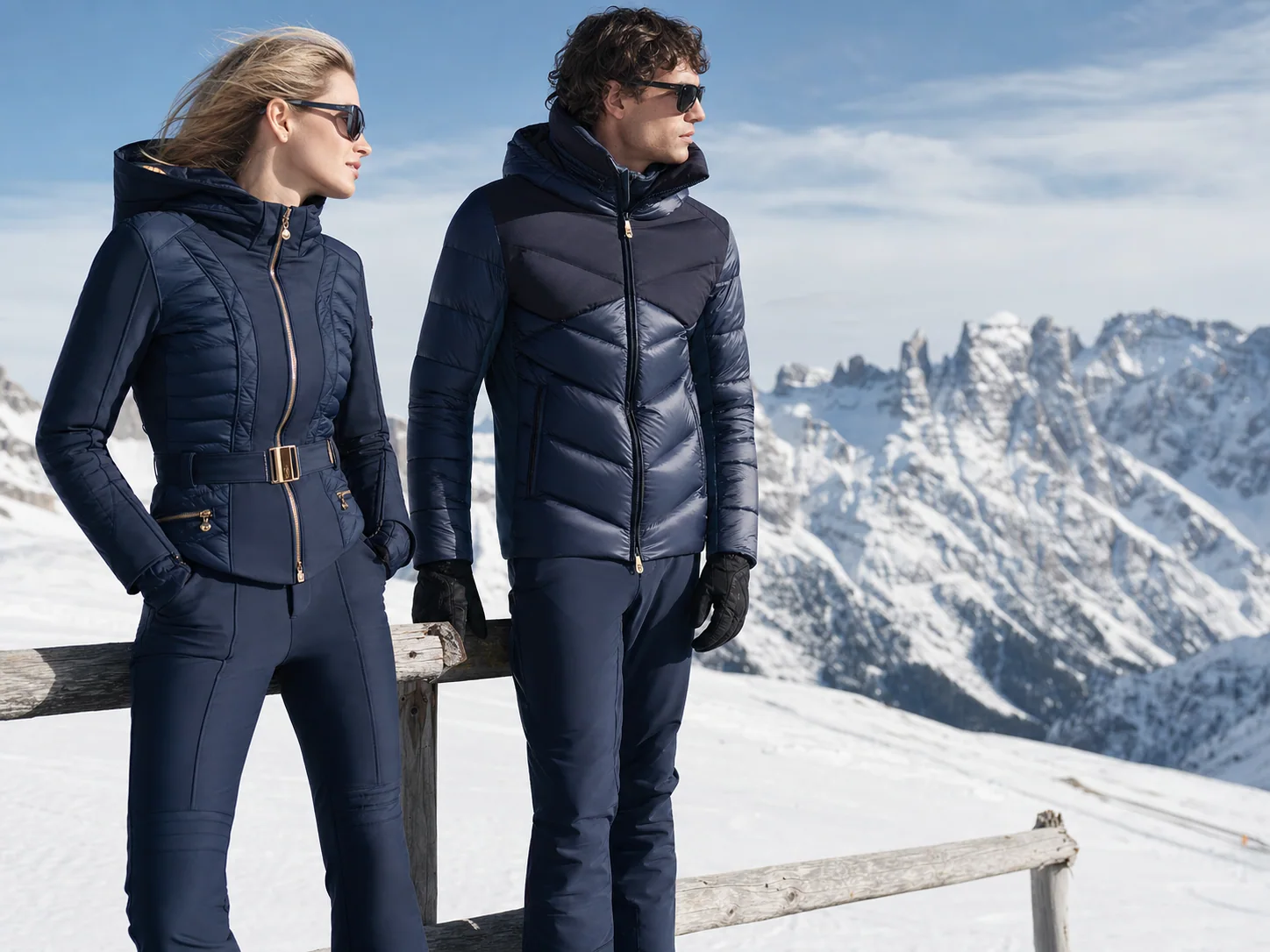
Mission-to-product decisions
Use references to clarify audience and direction, then create original specifications and approval standards for the buyer's own range.
Judge fitted, flare, one-piece, puffer, knit and accessory directions against movement, layering and protection targets during development.
Brief-to-Bulk control
User, discipline, conditions, layer role and intended market.
Construction, materials, fit, features, sizing, trims and care.
Fit, function, validation scope, evidence and recorded approval.
Approved specification, change record and reorder reference.
Evidence needed
Current SSM workmanship, silhouette and fit, trim and color, knit or quilting and finishing evidence are required.
Define the evidence planContinue the system
Direct answers
The ODM process should create an original, buyer-owned specification rather than duplicate protected design work.
No. Seams, zippers, construction, workmanship and the condition of the assembled garment require their own agreed validation scope.
Include the discipline, user, climate, activity level, product family, layer role, fit, size range, target features, intended market, reference files and evidence requirements.
Bring us the mission—not just the product name
Share the intended discipline, user, climate, layer role, fit direction, size range, reference files and evidence expectations. The brief keeps this page context attached to your inquiry.