Now Accepting Orders for SS2026Sample turnaround in 7 days. Worldwide shipping available.

Fabric system guide · Techwear

Techwear fabrics by movement, structure and assembly

Techwear is a construction system, not a black-nylon aesthetic. Choose fabrics according to mobility, abrasion zones, weather exposure, load, ventilation and whether components will be sewn, taped, bonded or welded. Stretch double weave, ripstop, laminates, spacer mesh and reflective materials solve different problems. Advanced branded composites should appear only when source access and exact technical evidence are verified.

Conditions before material names

Start with the operating brief

These paths are shortlist prompts. The selected grade still requires a physical swatch, garment prototype and agreed validation plan.

01

Mobile urban outerwear

Use stretch woven or softshell constructions where movement and everyday abrasion lead.

Consider: Stretch double weave, Bonded softshell, Nylon TaslanWater-repellent finish, air permeability and stretch recovery must be treated as separate attributes.
02

Weather-focused shell

Use a verified laminate and seam system for barrier performance.

Consider: 3-layer waterproof laminate, 2.5-layer lightweight shell, TPU-laminated weldable fabricA coated appearance or welded pocket does not establish full-garment waterproofness.
03

Load and reinforcement

Place high-tenacity ripstop, dense basket weave or spacer structures only where their mass and stiffness are justified.

Consider: High-tenacity ripstop, Ballistic nylon, 3D spacer meshBallistic nylon does not provide ballistic protection by name.
04

Advanced lightweight concept

Evaluate a documented composite only after source, MOQ, construction and fabrication route are known.

Consider: UHMWPE compositeDo not imply access to a trademarked fibre or composite from a generic visual reference.

Layer and zone architecture

Put each construction where it can do a clear job

  1. 01
    main body

    Mobility body

    Support movement and shape with a controlled technical surface.

    Stretch double weave · Bonded softshell · Nylon Taslan
  2. 02
    weather shell

    Barrier body

    Provide a documented weather barrier with compatible seams, tape or welds.

    3-layer waterproof laminate · 2.5-layer lightweight shell · TPU-laminated weldable fabric
  3. 03
    reinforcement

    High-wear zones

    Add tear, abrasion or structure at pockets, knees, seat, elbows and load points.

    High-tenacity ripstop · Ballistic nylon · UHMWPE composite
  4. 04
    lining

    Ventilation and interface

    Create separation, airflow or cushioning at body and equipment interfaces.

    3D spacer mesh · Grid fleece
  5. 05
    visibility

    Light-reactive detail

    Add a verified reflective surface without confusing aesthetic response and safety compliance.

    Reflective or light-reactive textile

Recommended systems to sample

Compare structure, weight and tradeoffs

The page describes generic construction directions. It does not establish SSM access to CORDURA, Dyneema or another branded ingredient, nor does it claim tested weather, strength, welding or protective performance.

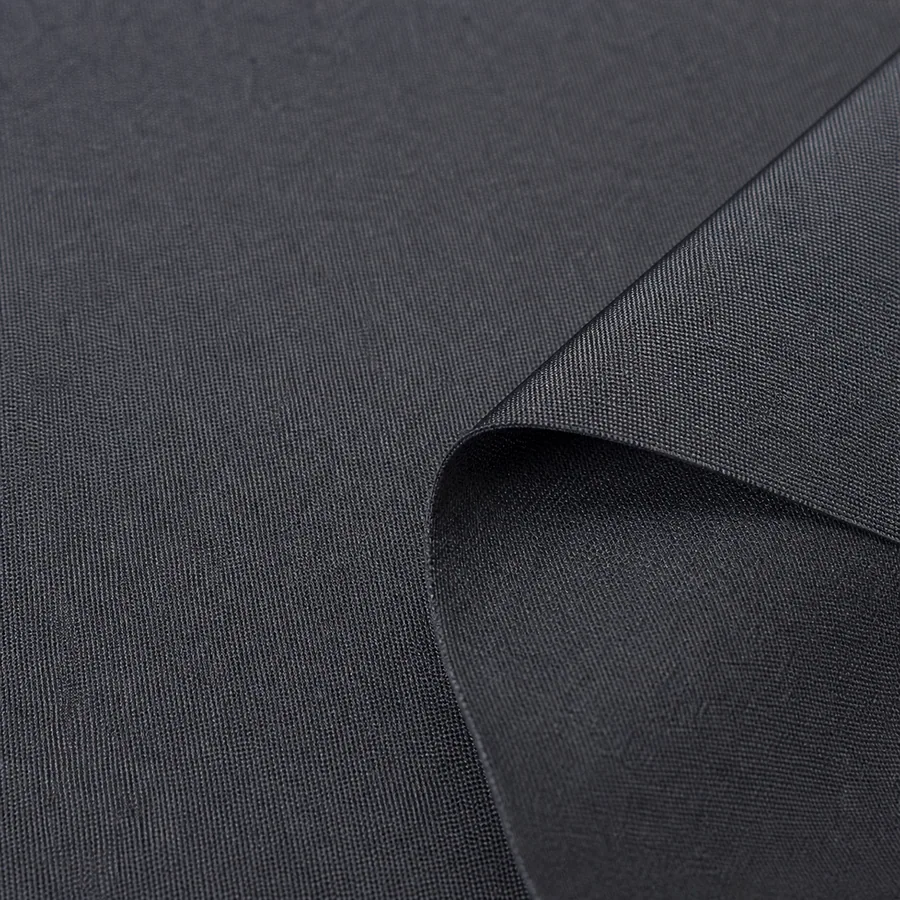
AI-generated representative macro of Stretch double weave showing its visible face structure
Representative AI macro · face

Planning visual only; not an exact mill grade, colour standard or tested sample. Resolve the outer weave and matte or lustrous finish accurately.

FAB-005Planning range

Stretch double weave

Single-layer double-face woven with a durable outer face and a differentiated inner surface.

Planning weight
170–300 gsm
Layer role
main body, reinforcement

Provides a controlled outer surface, movement and a distinct inner hand without requiring a bonded backer.

Articulated trousersKnee and seat zonesMobility panels
Request this construction in a sample
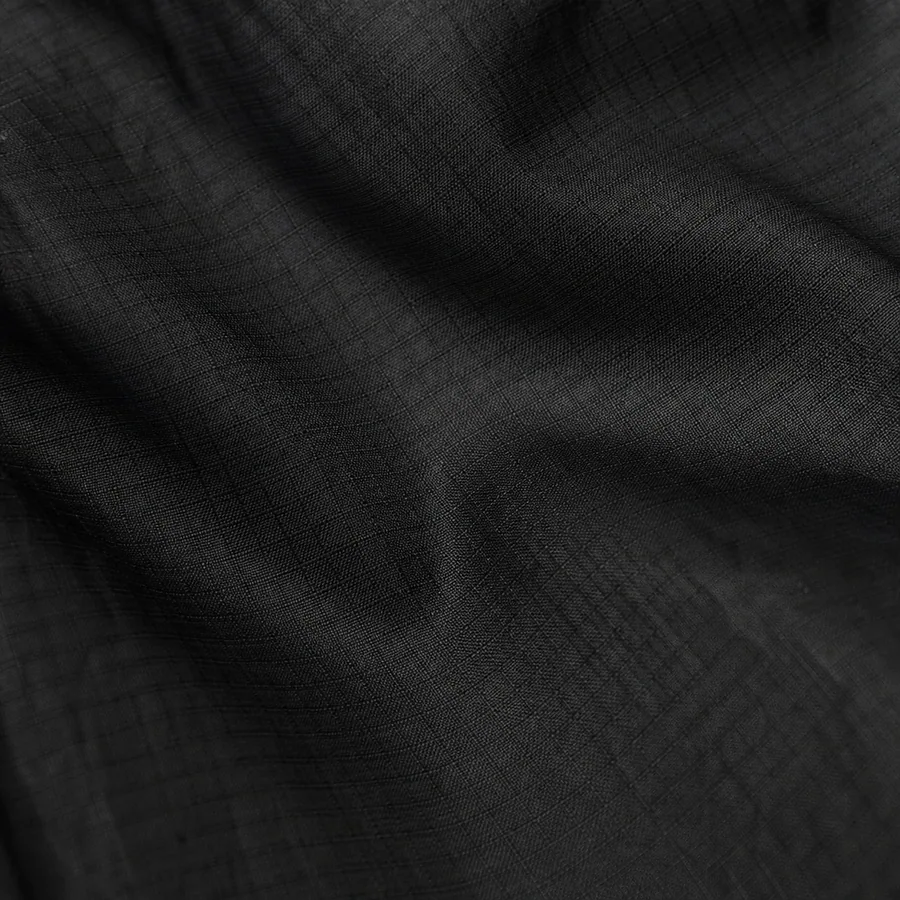
AI-generated representative macro of High-tenacity ripstop showing its visible face structure
Representative AI macro · face

Planning visual only; not an exact mill grade, colour standard or tested sample. Resolve the real reinforcement grid and yarn intersections.

FAB-012Planning range

High-tenacity ripstop

Plain weave with periodic reinforcement yarns forming a visible or subtle grid.

Planning weight
90–240 gsm
Layer role
weather shell, main body, reinforcement

A reinforcement grid can help control tear propagation while providing a clear technical surface structure.

Abrasion-zone panelsPackable shellsTechnical overshirts
Request this construction in a sample
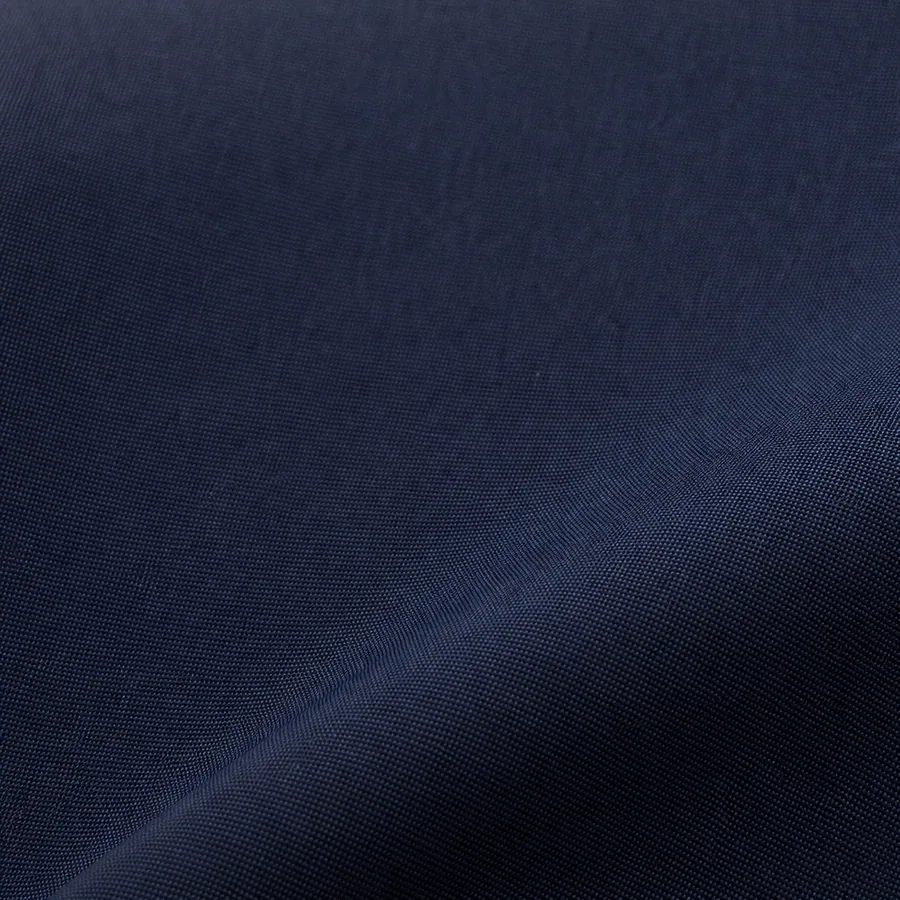
AI-generated representative macro of 3-layer waterproof laminate showing its visible face structure
Representative AI macro · face

Planning visual only; not an exact mill grade, colour standard or tested sample. Show the exact woven face at true macro scale.

FAB-001Planning range

3-layer waterproof laminate

Woven face bonded to a membrane and protective knit or woven backer.

Planning weight
120–220 gsm
Layer role
weather shell

Combines face, barrier and protective backer into one bonded shell package, reducing the need for a loose protective lining.

Ski and snow shellsHunting rain shellsTechnical outerwear
Request this construction in a sample
face

Show the textile carrier surface.

FAB-032Planning range

TPU-laminated weldable fabric

Woven or knit textile laminated to a thermoplastic polyurethane film.

Planning weight
160–350 gsm
Layer role
weather shell, reinforcement, accessory

Enables selected seams or components to be heat welded while providing a controllable barrier layer.

Welded pocketsWeatherproof panelsDry-bag-style accessories
Request this construction in a sample
face

Show the actual open or closed face knit.

FAB-031Planning range

3D spacer mesh

Two knitted faces held apart by pile or spacer yarns.

Planning weight
160–350 gsm
Layer role
lining, reinforcement, accessory

Can provide separation, cushioning and airflow without using a solid foam layer in selected applications.

Ventilated back panelsHarness interfacesPadding zones
Request this construction in a sample
face

Resolve the dense basket repeat accurately.

FAB-030Planning range

Ballistic nylon

Dense basket weave, often using high-tenacity nylon yarn.

Planning weight
300–500+ gsm
Layer role
reinforcement, accessory

Provides a dense, visibly rugged basket structure for high-wear zones and load-bearing accessories.

High-wear panelsPacks and pouchesStructured vests
Request this construction in a sample
face

Capture the physical surface under neutral light.

FAB-034Planning range

Reflective or light-reactive textile

Coated, printed, glass-bead or film-based reflective surface carried on a textile.

Planning weight
Supplier-specific
Layer role
visibility, reinforcement

Creates a strong change between ambient and directed light while supporting utility or visual-design goals.

Low-light detailingUtility panelsReflective graphics
Request this construction in a sample
face

Show the exact composite face from the supplied reference.

FAB-033Planning range

UHMWPE composite

Cross-ply, woven-composite or hybrid laminate architecture.

Planning weight
Supplier-specific
Layer role
main body, reinforcement, accessory

Offers specialised strength-to-weight and dimensional-stability directions in selected composite architectures.

Ultralight packsHigh-strength-to-weight panelsQualified innovation programs
Request this construction in a sample

Side-by-side decision support

Compare the shortlisted systems

Planning bands guide sampling conversations. They are not a production specification or a tested result.

Comparison of selected fabric constructions
Material systemPlanning weightConstructionWhy consider itTradeoffs to sampleEvidence state
Stretch double weave170–300 gsmSingle-layer double-face woven with a durable outer face and a differentiated inner surface.Provides a controlled outer surface, movement and a distinct inner hand without requiring a bonded backer.Stretch percentages are method-dependent Elastomer can be affected by heat and ageing Airflow and weather resistance vary by weave and finishPlanning range
High-tenacity ripstop90–240 gsmPlain weave with periodic reinforcement yarns forming a visible or subtle grid.A reinforcement grid can help control tear propagation while providing a clear technical surface structure.A grid does not guarantee high strength Coatings can increase stiffness and noise Fine grids are easy to misrepresent in generated imageryPlanning range
3-layer waterproof laminate120–220 gsmWoven face bonded to a membrane and protective knit or woven backer.Combines face, barrier and protective backer into one bonded shell package, reducing the need for a loose protective lining.Hand, sound, breathability and durability vary by exact laminate Waterproof fabric does not make seams waterproof Bond durability must be checked after care and ageingPlanning range
TPU-laminated weldable fabric160–350 gsmWoven or knit textile laminated to a thermoplastic polyurethane film.Enables selected seams or components to be heat welded while providing a controllable barrier layer.Welding window is process-specific Film can yellow, stiffen or delaminate Cold flex and ageing need evaluationPlanning range
3D spacer mesh160–350 gsmTwo knitted faces held apart by pile or spacer yarns.Can provide separation, cushioning and airflow without using a solid foam layer in selected applications.Edges require controlled finishing Open faces can snag Compression set and actual airflow need testingPlanning range
Ballistic nylon300–500+ gsmDense basket weave, often using high-tenacity nylon yarn.Provides a dense, visibly rugged basket structure for high-wear zones and load-bearing accessories.The name does not mean ballistic protection Usually too heavy or stiff for a full apparel body Coating and yarn grade govern performancePlanning range
Reflective or light-reactive textileSupplier-specificCoated, printed, glass-bead or film-based reflective surface carried on a textile.Creates a strong change between ambient and directed light while supporting utility or visual-design goals.Reflectivity can crack or abrade Breathability and hand vary A reflective appearance does not establish high-visibility compliancePlanning range
UHMWPE compositeSupplier-specificCross-ply, woven-composite or hybrid laminate architecture.Offers specialised strength-to-weight and dimensional-stability directions in selected composite architectures.High cost and sourcing constraints Crease, sewing, heat and abrasion depend on architecture Trademark and access cannot be assumedPlanning range
FAB-005

Stretch double weave

Planning range
Planning weight
170–300 gsm
Construction
Single-layer double-face woven with a durable outer face and a differentiated inner surface.
Why consider it
Provides a controlled outer surface, movement and a distinct inner hand without requiring a bonded backer.
Tradeoffs to sample
Stretch percentages are method-dependent Elastomer can be affected by heat and ageing Airflow and weather resistance vary by weave and finish
FAB-012

High-tenacity ripstop

Planning range
Planning weight
90–240 gsm
Construction
Plain weave with periodic reinforcement yarns forming a visible or subtle grid.
Why consider it
A reinforcement grid can help control tear propagation while providing a clear technical surface structure.
Tradeoffs to sample
A grid does not guarantee high strength Coatings can increase stiffness and noise Fine grids are easy to misrepresent in generated imagery
FAB-001

3-layer waterproof laminate

Planning range
Planning weight
120–220 gsm
Construction
Woven face bonded to a membrane and protective knit or woven backer.
Why consider it
Combines face, barrier and protective backer into one bonded shell package, reducing the need for a loose protective lining.
Tradeoffs to sample
Hand, sound, breathability and durability vary by exact laminate Waterproof fabric does not make seams waterproof Bond durability must be checked after care and ageing
FAB-032

TPU-laminated weldable fabric

Planning range
Planning weight
160–350 gsm
Construction
Woven or knit textile laminated to a thermoplastic polyurethane film.
Why consider it
Enables selected seams or components to be heat welded while providing a controllable barrier layer.
Tradeoffs to sample
Welding window is process-specific Film can yellow, stiffen or delaminate Cold flex and ageing need evaluation
FAB-031

3D spacer mesh

Planning range
Planning weight
160–350 gsm
Construction
Two knitted faces held apart by pile or spacer yarns.
Why consider it
Can provide separation, cushioning and airflow without using a solid foam layer in selected applications.
Tradeoffs to sample
Edges require controlled finishing Open faces can snag Compression set and actual airflow need testing
FAB-030

Ballistic nylon

Planning range
Planning weight
300–500+ gsm
Construction
Dense basket weave, often using high-tenacity nylon yarn.
Why consider it
Provides a dense, visibly rugged basket structure for high-wear zones and load-bearing accessories.
Tradeoffs to sample
The name does not mean ballistic protection Usually too heavy or stiff for a full apparel body Coating and yarn grade govern performance
FAB-034

Reflective or light-reactive textile

Planning range
Planning weight
Supplier-specific
Construction
Coated, printed, glass-bead or film-based reflective surface carried on a textile.
Why consider it
Creates a strong change between ambient and directed light while supporting utility or visual-design goals.
Tradeoffs to sample
Reflectivity can crack or abrade Breathability and hand vary A reflective appearance does not establish high-visibility compliance
FAB-033

UHMWPE composite

Planning range
Planning weight
Supplier-specific
Construction
Cross-ply, woven-composite or hybrid laminate architecture.
Why consider it
Offers specialised strength-to-weight and dimensional-stability directions in selected composite architectures.
Tradeoffs to sample
High cost and sourcing constraints Crease, sewing, heat and abrasion depend on architecture Trademark and access cannot be assumed

Garment-zone mapping

A product can use more than one fabric system

Map material changes to movement, exposure, abrasion, visibility and comfort zones instead of forcing one construction across the garment.

Articulated trouser body

Use double weave for movement and place ripstop where directional tear and surface contact justify it.

Stretch double weave / High-tenacity ripstop

Shell and pocket system

Select sewn, taped, bonded or welded assembly around the exact laminate and component design.

3-layer waterproof laminate / TPU-laminated weldable fabric

Back, harness and padding interface

Spacer structures may add separation and airflow but need edge, snag and compression control.

3D spacer mesh

Load-bearing or high-wear accessory

Dense nylon and advanced composites should be restricted to zones where their stiffness, cost and fabrication route are appropriate.

Ballistic nylon / UHMWPE composite

Manufacturing implications

Construction must follow the chosen material

  1. 01

    Assign every panel an assembly route—sewn, taped, bonded or welded—before approving the fabric.

  2. 02

    Keep denier, GSM, weave, coating and test results as separate fields; none substitutes for the others.

  3. 03

    Use laser cutting only after checking edge melt, fumes, colour change and barrier damage for the exact material.

  4. 04

    Verify pocket loads, hardware pull, seam slippage and reinforcement transitions on a constructed sample.

  5. 05

    Use trademarked ingredient names only with verified grade access and current permission.

Validation checklist

Ask what the test can—and cannot—show

Does the body move and recover as intended?Review

Measure by direction and verify panel orientation in an articulated sample.

Stretch and recovery · Abrasion
Do reinforcement materials provide the required strength without excessive bulk?Review

Review seam transition and fold radius alongside laboratory values.

Tear and tensile · Abrasion · Fabric mass
Will bonded or welded components remain intact?Review

Document heat, pressure, time, ageing, failure mode and barrier result for the exact joint.

Bond, coating or weld integrity · Hydrostatic resistance
Do spacer and ventilation zones perform after compression?Review

Add a declared compression-recovery review because airflow alone does not establish long-term cushioning.

Air permeability · Abrasion

Proof boundary

Planning guidance is not a supplier promise

The page describes generic construction directions. It does not establish SSM access to CORDURA, Dyneema or another branded ingredient, nor does it claim tested weather, strength, welding or protective performance.

AI-generated close-ups are disclosed visual references. The approved production record must identify the physical swatch, exact supplier grade, test method, date and sample when those facts are available.

Buyer questions

Techwear fabric FAQ

What fabrics are used for techwear?Answer

Common directions include stretch double weaves, ripstops, Taslan, waterproof laminates, weldable TPU fabrics, spacer mesh, dense basket weaves and reflective surfaces. The correct choice depends on each zone's movement, weather, load and assembly route.

What is the difference between denier and GSM?Answer

Denier describes yarn linear density; GSM describes material mass per area. Neither alone proves tear strength, abrasion resistance, hand or waterproofness.

Can every waterproof fabric be welded?Answer

No. Welding depends on compatible thermoplastic layers and a controlled process window. Many waterproof laminates are designed for seam tape rather than direct welding.

Does ballistic nylon make protective body armour?Answer

No. Ballistic nylon is commonly a dense basket-weave material name. Protective performance requires a complete, tested and certified armour system.

Evidence register

Sources and interpretation limits

Sources support definitions, planning ranges, or test-method context. They do not verify an untested production fabric.

Fabric mass

ASTM D3776/D3776M or the method appropriate to the material

Measure mass per unit area on an identified, conditioned specimen.

Report the specimen, conditioning and method. Do not treat GSM as a quality, warmth or durability score.
Hydrostatic resistance

ISO 811 or a declared equivalent

Assess resistance to water penetration under hydrostatic pressure.

Record the exact method and fabric state; seam leakage and finished-garment design remain separate questions.
Air permeability

ISO 9237 or a declared equivalent

Quantify airflow through a material under a stated pressure differential.

Pressure, test area and material state must accompany the result.
Abrasion

ISO 12947 for suitable textiles, or a construction-appropriate alternative

Assess surface wear or breakdown using a defined abradant, load and endpoint.

Coated and laminated fabrics may require a different method; state endpoint rather than publishing an unqualified cycle count.
Tear and tensile

A declared tear or tensile method appropriate to the construction

Measure propagation tear or breaking behaviour in identified fabric directions.

State method, direction, conditioning and specimen state. A ripstop grid alone does not prove a strength value.
Stretch and recovery

A declared extension, growth and recovery method

Measure directional stretch and residual growth before and after a stated interval or wash program.

Record direction, load, hold and recovery time; fibre content alone does not predict bagging.
Bond, coating or weld integrity

A declared peel, adhesion or weld-strength method

Assess bonded-layer or welded-joint integrity before and after specified ageing or laundering.

Record heat settings, direction, ageing and failure mode; visual adhesion is not test evidence.
  1. ASTM InternationalASTM D3776/D3776M

    Fabric mass per unit area and sampling context.

    Limit: The public abstract supports method-level context only; a tested specimen does not establish an entire production lot.
  2. International Organization for StandardizationISO 811:2018

    Hydrostatic water-penetration resistance testing.

    Limit: The method does not define one universal pass value for every garment or end use.
  3. International Organization for StandardizationISO 11092:2026

    Thermal resistance and water-vapour resistance under steady-state conditions.

    Limit: Results should not be compared directly with values produced by unrelated breathability methods.
  4. International Organization for StandardizationISO 12947-2:2016

    Martindale abrasion specimen breakdown for suitable textile fabrics.

    Limit: The stated scope excludes coated fabrics; choose a method appropriate to the exact construction.
  5. International Organization for StandardizationISO 20471:2013

    High-visibility colour, retroreflection, material area and garment placement requirements.

    Limit: A fluorescent swatch alone is not a compliant garment; current edition and market requirements must be reconfirmed.
  6. Schoeller TextilesSchoeller Dynamic

    Stretch-woven composition, mobility and outerwear use context.

    Limit: Exact weights, finishes and test values vary by grade; no sourcing relationship is implied.
  7. CORDURA / INVISTACORDURA fabric FAQ

    High-tenacity nylon, authorized-mill and construction-family context.

    Limit: CORDURA is a trademark, not a generic synonym for all durable nylon.
  8. CORDURA / INVISTABallistic fabric

    Dense basket-weave ballistic nylon structure and use context.

    Limit: The name does not mean a fabric provides ballistic protection; exact grade and certification govern claims.
  9. Composite, cross-ply, woven and hybrid architecture.

    Limit: Trademark use, source access and performance require confirmation for the exact material.
  10. Consumer-readable distinctions among 2-, 2.5- and 3-layer shells.

    Limit: Brand education is useful for architecture, not a universal performance specification.

Physical sample before bulk

Map function and assembly before choosing the finish

Send the garment zones, movement, loads, weather target, hardware and preferred sewn, taped, bonded or welded routes. Physical materials can then be screened against the real construction problem.

Request a techwear fabric review