Now Accepting Orders for SS2026Sample turnaround in 7 days. Worldwide shipping available.

Fabric system guide · Hunting wear

Hunting-wear fabrics for movement, weather and sound

Hunting-wear fabric selection changes with pursuit, vegetation, precipitation, temperature and time spent moving or stationary. A quieter brushed face may help at close range, while a mountain shell may prioritise low mass and weather protection. Compare the complete material system—including burr pickup, wet-out, stretch, insulation and seam design—then verify it on physical swatches.

Conditions before material names

Start with the operating brief

These paths are shortlist prompts. The selected grade still requires a physical swatch, garment prototype and agreed validation plan.

01

Close-range and stand hunting

Prioritise controlled surface noise, warmth and low-glare hand for low-movement use.

Consider: Quiet brushed tricot, Peached woven, Grid fleece, Synthetic sheet insulationUse comparative sound language tied to a repeatable protocol; never promise a silent textile.
02

Mountain and active pursuit

Prioritise mobility, low bulk and moisture transport, with a shell appropriate to exposure.

Consider: Stretch double weave, Grid fleece, 3-layer waterproof laminate, Merino or merino-blend jerseyA brushed face that suits a stand may retain water or burrs during active movement through cover.
03

Rain and wet vegetation

Balance barrier performance with surface noise, wet-out and seam design.

Consider: 3-layer waterproof laminate, Quiet brushed tricot, High-tenacity ripstopA quiet face and a waterproof laminate are separate decisions unless verified in the same material.
04

Visibility requirement

Treat colour, garment coverage and jurisdiction as a documented system.

Consider: Blaze-orange outer fabricBlaze orange and certified high visibility are not interchangeable claims.

Layer and zone architecture

Put each construction where it can do a clear job

  1. 01
    next to skin

    Base layer

    Manage next-to-skin comfort and moisture for the expected movement level.

    Merino or merino-blend jersey · Grid fleece
  2. 02
    midlayer

    Thermal midlayer

    Add controllable warmth while considering surface snag and bulk.

    Grid fleece · Bonded softshell
  3. 03
    insulation

    Stationary insulation

    Increase loft for low-movement periods and confirm compression recovery.

    Synthetic sheet insulation
  4. 04
    main body

    Field body

    Balance mobility, quiet surface, vegetation contact and drying.

    Quiet brushed tricot · Peached woven · Stretch double weave
  5. 05
    weather shell

    Rain and wind shell

    Control weather while assessing rustle, backer, seam and wet-out behaviour.

    3-layer waterproof laminate · Bonded softshell

Recommended systems to sample

Compare structure, weight and tradeoffs

The library describes material directions, not SSM stock or hunting-performance claims. Quietness, waterproofness, visibility, print and durability must be tied to a physical grade and a documented evaluation.

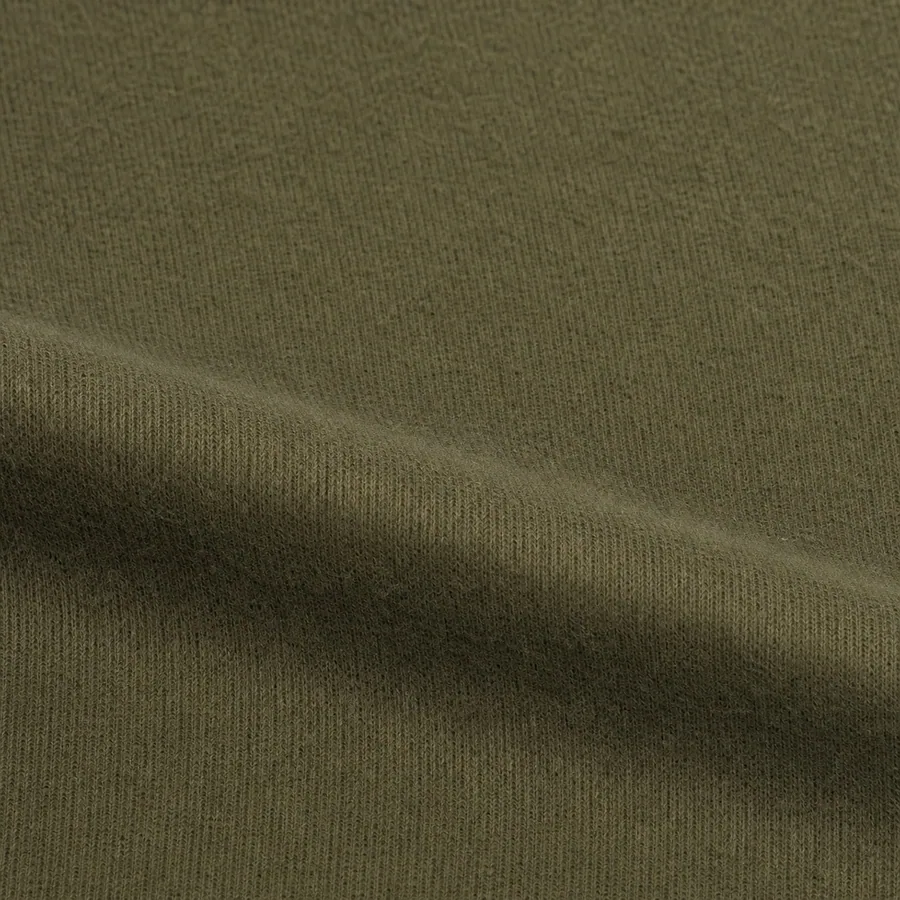
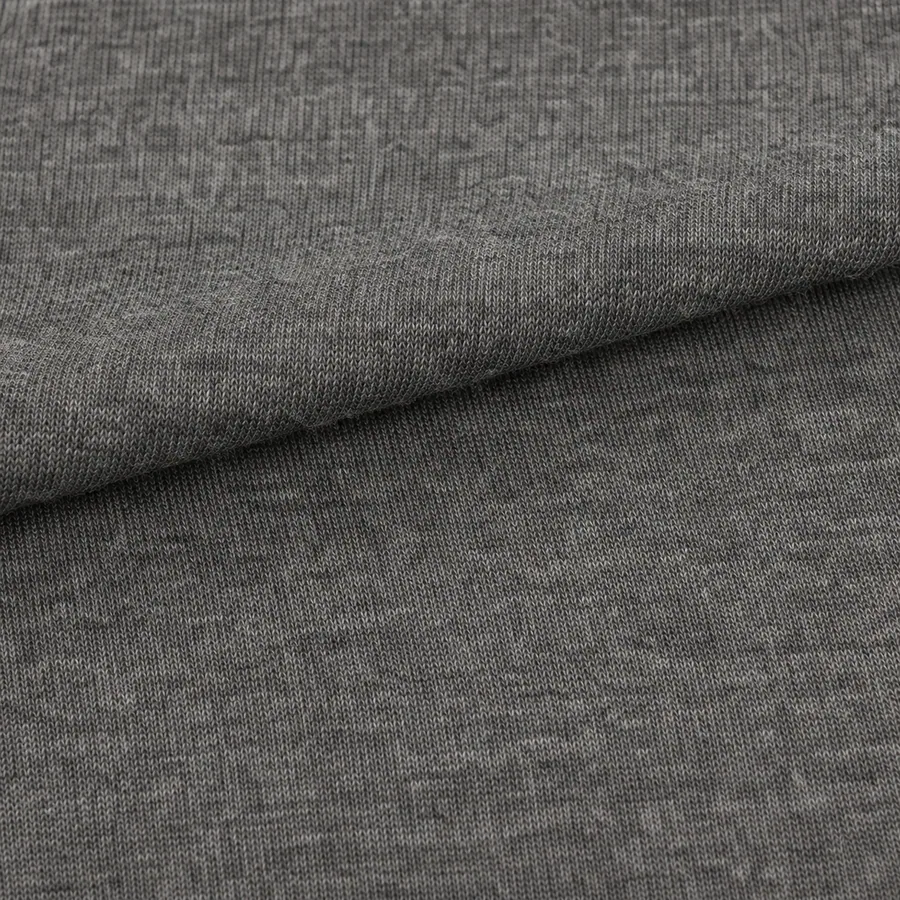
AI-generated representative macro of Quiet brushed tricot showing its visible face structure
Representative AI macro · face

Planning visual only; not an exact mill grade, colour standard or tested sample. Show nap direction with raking light and no invented camouflage.

FAB-010Planning range

Quiet brushed tricot

Brushed knit or tricot face used alone or as the outer face of a laminate.

Planning weight
170–320 gsm
Layer role
weather shell, main body

A raised face can reduce hard-surface rustle and provide a warmer, matte hand.

Close-range hunting outer layersStand-hunting jacketsBrushed-face rain systems after verification
Request this construction in a sample
face

Use raking light to show the genuine peached surface.

FAB-011Planning range

Peached woven

Plain or twill woven with a sueded or peached surface finish.

Planning weight
180–300 gsm
Layer role
main body

Combines a durable woven body with a softer, lower-glare surface direction.

Quiet field trousersUtility overshirtsMatte heritage outer layers
Request this construction in a sample
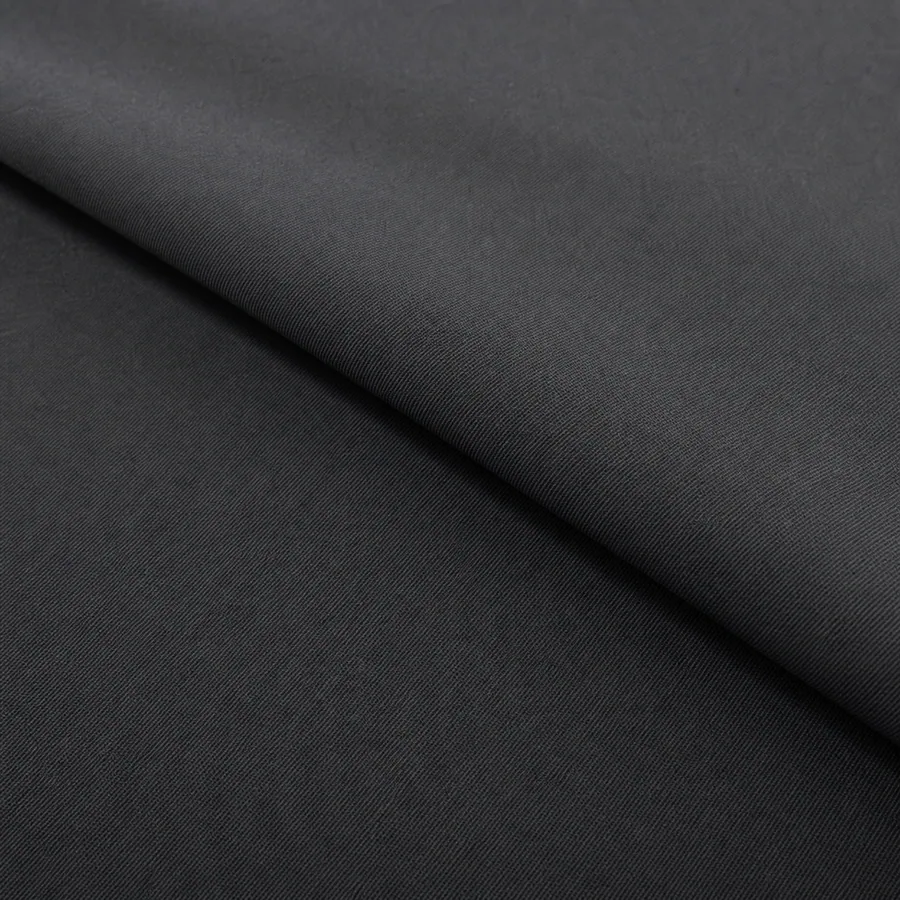
AI-generated representative macro of Bonded softshell showing its visible face structure
Representative AI macro · face

Planning visual only; not an exact mill grade, colour standard or tested sample. Show the exact woven structure and surface finish.

FAB-004Planning range

Bonded softshell

Stretch woven face bonded to tricot, fleece or a membrane-backed inner layer.

Planning weight
240–380 gsm
Layer role
midlayer, weather shell, main body

Balances movement, a controlled outer face and optional inner warmth in one material system.

Active outer layersTechnical trousersPatrol jackets
Request this construction in a sample
AI-generated representative macro of Stretch double weave showing its visible face structure
Representative AI macro · face

Planning visual only; not an exact mill grade, colour standard or tested sample. Resolve the outer weave and matte or lustrous finish accurately.

FAB-005Planning range

Stretch double weave

Single-layer double-face woven with a durable outer face and a differentiated inner surface.

Planning weight
170–300 gsm
Layer role
main body, reinforcement

Provides a controlled outer surface, movement and a distinct inner hand without requiring a bonded backer.

Articulated trousersKnee and seat zonesMobility panels
Request this construction in a sample
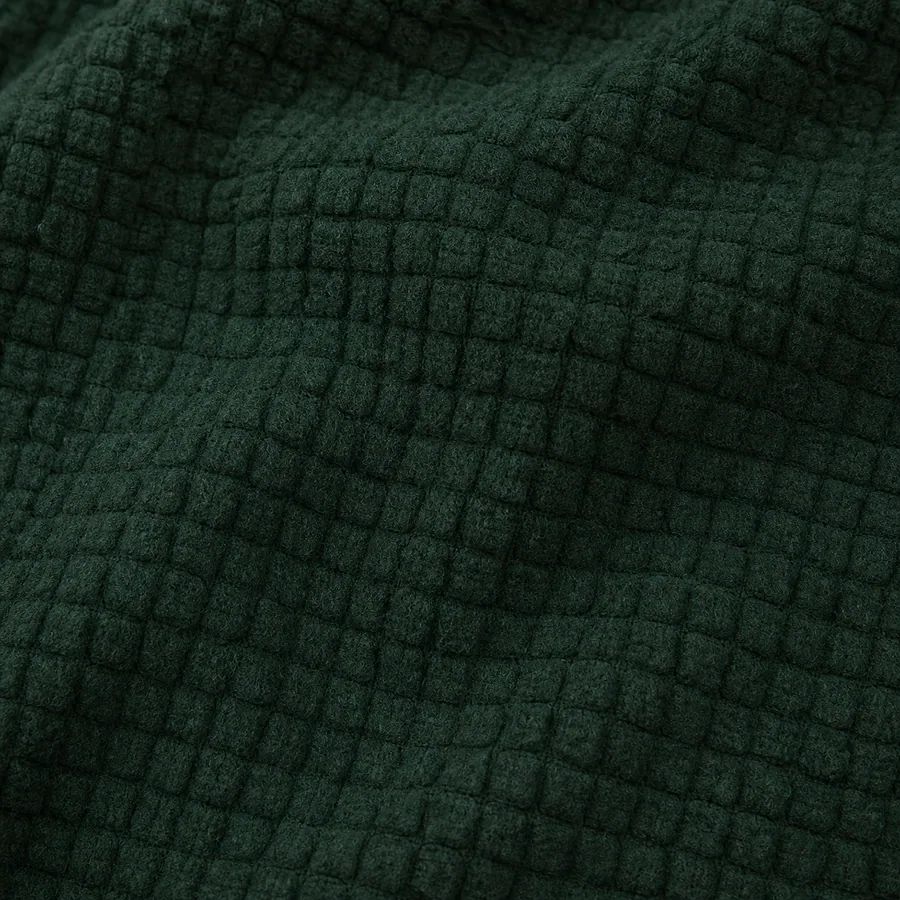
AI-generated representative macro of Grid fleece showing its visible face structure
Representative AI macro · face

Planning visual only; not an exact mill grade, colour standard or tested sample. Show the true face knit without adding a grid if none exists.

FAB-006Planning range

Grid fleece

Knit with raised grid zones separated by lower channels.

Planning weight
140–260 gsm
Layer role
next to skin, midlayer

The raised and recessed geometry can place loft where wanted while reducing continuous bulk.

Active midlayersMapped warmth zonesCold-weather base layers
Request this construction in a sample
AI-generated representative macro of Merino or merino-blend jersey showing its visible face structure
Representative AI macro · face

Planning visual only; not an exact mill grade, colour standard or tested sample. Resolve fine knit loops and the actual fibre halo at true scale.

FAB-008Planning range

Merino or merino-blend jersey

Fine-gauge weft knit intended for next-to-skin or light layering use.

Planning weight
145–230 gsm
Layer role
next to skin, midlayer

A candidate where buyers prioritize next-to-skin comfort, moisture buffering and natural-fibre hand.

Cold-weather base layersLow-bulk layering topsHunting next-to-skin systems
Request this construction in a sample
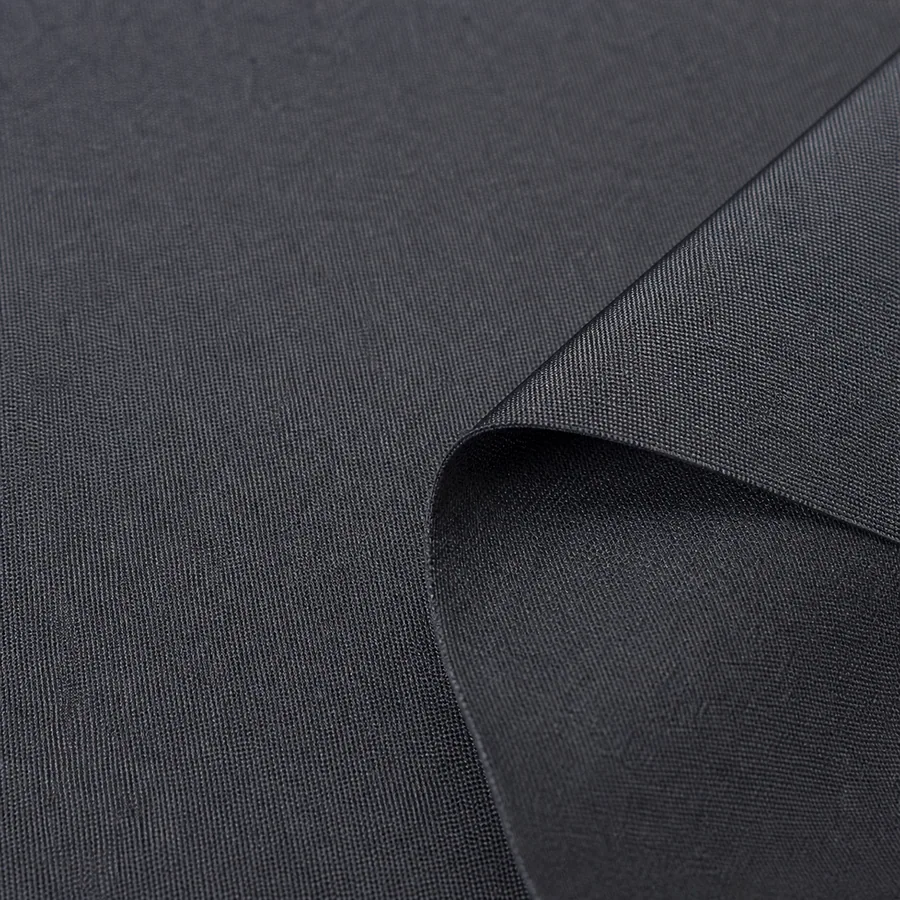
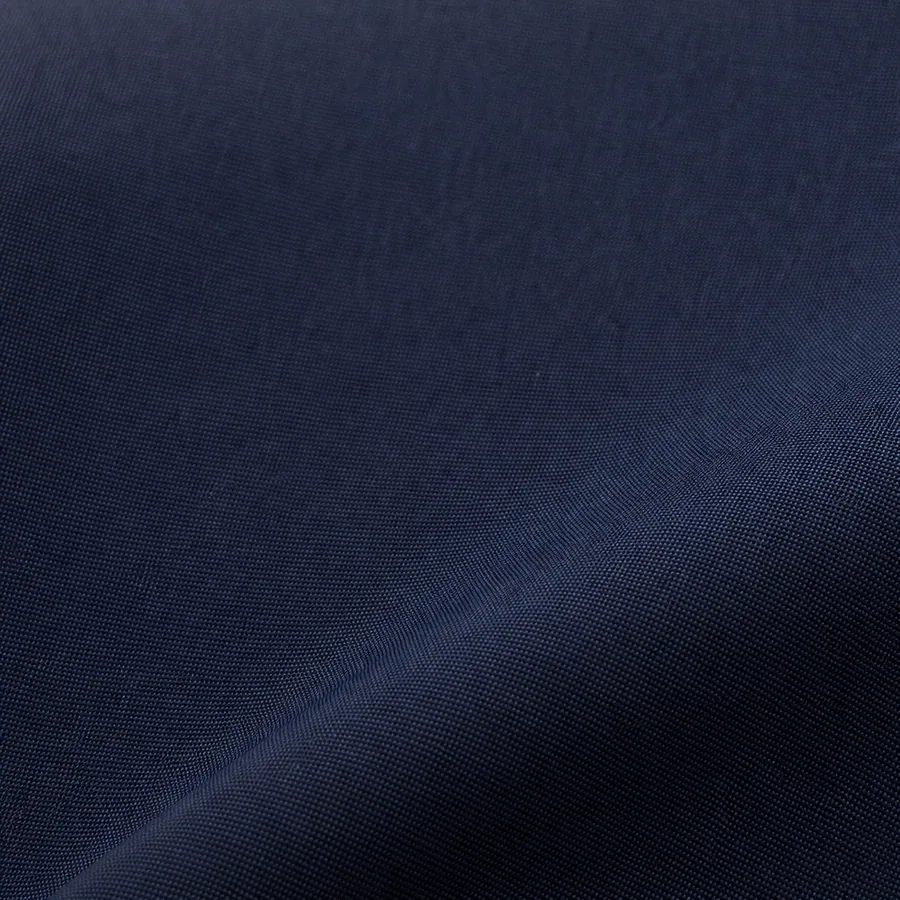
AI-generated representative macro of 3-layer waterproof laminate showing its visible face structure
Representative AI macro · face

Planning visual only; not an exact mill grade, colour standard or tested sample. Show the exact woven face at true macro scale.

FAB-001Planning range

3-layer waterproof laminate

Woven face bonded to a membrane and protective knit or woven backer.

Planning weight
120–220 gsm
Layer role
weather shell

Combines face, barrier and protective backer into one bonded shell package, reducing the need for a loose protective lining.

Ski and snow shellsHunting rain shellsTechnical outerwear
Request this construction in a sample
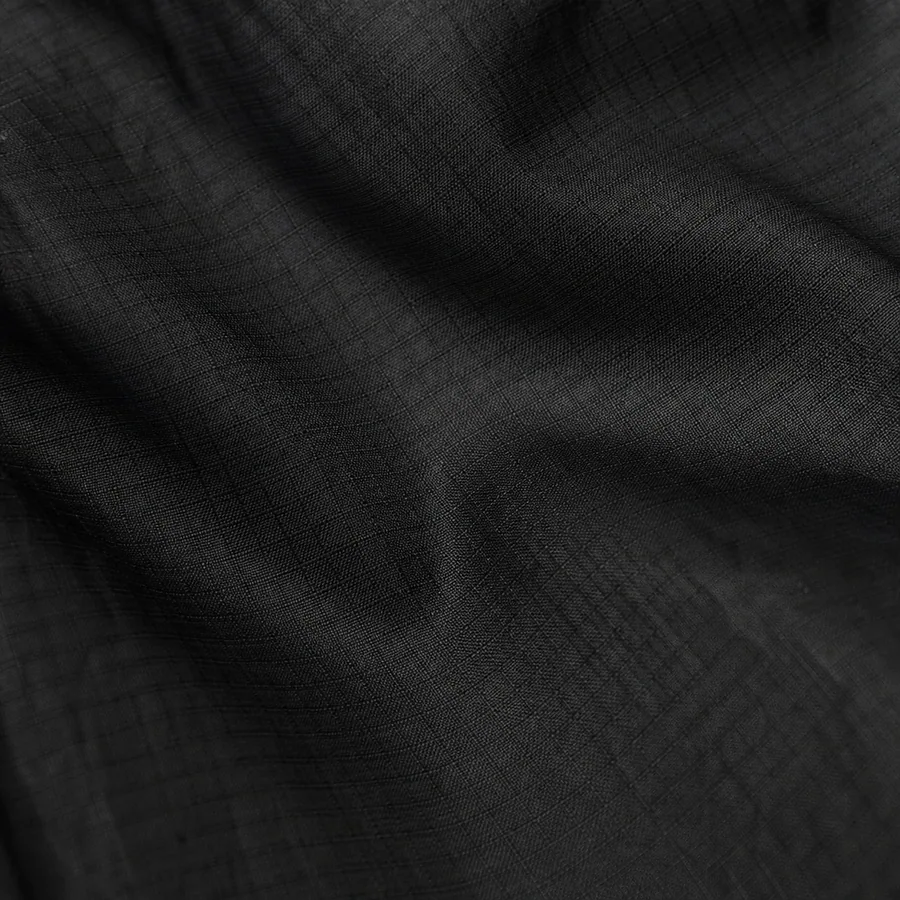
AI-generated representative macro of High-tenacity ripstop showing its visible face structure
Representative AI macro · face

Planning visual only; not an exact mill grade, colour standard or tested sample. Resolve the real reinforcement grid and yarn intersections.

FAB-012Planning range

High-tenacity ripstop

Plain weave with periodic reinforcement yarns forming a visible or subtle grid.

Planning weight
90–240 gsm
Layer role
weather shell, main body, reinforcement

A reinforcement grid can help control tear propagation while providing a clear technical surface structure.

Abrasion-zone panelsPackable shellsTechnical overshirts
Request this construction in a sample
face

Use colour-managed reference photography; do not infer compliance from vividness.

FAB-013Planning range

Blaze-orange outer fabric

High-chroma woven or knit outer material, optionally combined with weather or quiet-face construction.

Planning weight
120–260 gsm
Layer role
visibility, weather shell

Provides a high-visibility colour direction where the exact market and garment brief requires it.

Hunting visibility panelsVisibility shellsProgram-specific conspicuity garments
Request this construction in a sample

Side-by-side decision support

Compare the shortlisted systems

Planning bands guide sampling conversations. They are not a production specification or a tested result.

Comparison of selected fabric constructions
Material systemPlanning weightConstructionWhy consider itTradeoffs to sampleEvidence state
Quiet brushed tricot170–320 gsmBrushed knit or tricot face used alone or as the outer face of a laminate.A raised face can reduce hard-surface rustle and provide a warmer, matte hand.No textile is absolutely silent Nap can collect burrs and retain water Brushing may alter abrasion and shade appearancePlanning range
Peached woven180–300 gsmPlain or twill woven with a sueded or peached surface finish.Combines a durable woven body with a softer, lower-glare surface direction.Finish can change shade and water uptake Surface character may vary by batch Burr pickup and abrasion need checkingPlanning range
Bonded softshell240–380 gsmStretch woven face bonded to tricot, fleece or a membrane-backed inner layer.Balances movement, a controlled outer face and optional inner warmth in one material system.Softshell is not automatically waterproof Warm bonded grades may be unsuitable for high-output use Elastomer and bond durability need care-cycle checksPlanning range
Stretch double weave170–300 gsmSingle-layer double-face woven with a durable outer face and a differentiated inner surface.Provides a controlled outer surface, movement and a distinct inner hand without requiring a bonded backer.Stretch percentages are method-dependent Elastomer can be affected by heat and ageing Airflow and weather resistance vary by weave and finishPlanning range
Grid fleece140–260 gsmKnit with raised grid zones separated by lower channels.The raised and recessed geometry can place loft where wanted while reducing continuous bulk.Grid scale changes hand and thermal behaviour Raised zones can snag or pill Wicking and warmth claims need method-specific evidencePlanning range
Merino or merino-blend jersey145–230 gsmFine-gauge weft knit intended for next-to-skin or light layering use.A candidate where buyers prioritize next-to-skin comfort, moisture buffering and natural-fibre hand.Abrasion and pilling need evaluation Care and shrinkage can constrain the product Odour or sourcing claims require exact evidencePlanning range
3-layer waterproof laminate120–220 gsmWoven face bonded to a membrane and protective knit or woven backer.Combines face, barrier and protective backer into one bonded shell package, reducing the need for a loose protective lining.Hand, sound, breathability and durability vary by exact laminate Waterproof fabric does not make seams waterproof Bond durability must be checked after care and ageingPlanning range
High-tenacity ripstop90–240 gsmPlain weave with periodic reinforcement yarns forming a visible or subtle grid.A reinforcement grid can help control tear propagation while providing a clear technical surface structure.A grid does not guarantee high strength Coatings can increase stiffness and noise Fine grids are easy to misrepresent in generated imageryPlanning range
Blaze-orange outer fabric120–260 gsmHigh-chroma woven or knit outer material, optionally combined with weather or quiet-face construction.Provides a high-visibility colour direction where the exact market and garment brief requires it.Orange colour alone is not compliance Colour can shift through finishing and ageing Required area and placement vary by programPlanning range
FAB-010

Quiet brushed tricot

Planning range
Planning weight
170–320 gsm
Construction
Brushed knit or tricot face used alone or as the outer face of a laminate.
Why consider it
A raised face can reduce hard-surface rustle and provide a warmer, matte hand.
Tradeoffs to sample
No textile is absolutely silent Nap can collect burrs and retain water Brushing may alter abrasion and shade appearance
FAB-011

Peached woven

Planning range
Planning weight
180–300 gsm
Construction
Plain or twill woven with a sueded or peached surface finish.
Why consider it
Combines a durable woven body with a softer, lower-glare surface direction.
Tradeoffs to sample
Finish can change shade and water uptake Surface character may vary by batch Burr pickup and abrasion need checking
FAB-004

Bonded softshell

Planning range
Planning weight
240–380 gsm
Construction
Stretch woven face bonded to tricot, fleece or a membrane-backed inner layer.
Why consider it
Balances movement, a controlled outer face and optional inner warmth in one material system.
Tradeoffs to sample
Softshell is not automatically waterproof Warm bonded grades may be unsuitable for high-output use Elastomer and bond durability need care-cycle checks
FAB-005

Stretch double weave

Planning range
Planning weight
170–300 gsm
Construction
Single-layer double-face woven with a durable outer face and a differentiated inner surface.
Why consider it
Provides a controlled outer surface, movement and a distinct inner hand without requiring a bonded backer.
Tradeoffs to sample
Stretch percentages are method-dependent Elastomer can be affected by heat and ageing Airflow and weather resistance vary by weave and finish
FAB-006

Grid fleece

Planning range
Planning weight
140–260 gsm
Construction
Knit with raised grid zones separated by lower channels.
Why consider it
The raised and recessed geometry can place loft where wanted while reducing continuous bulk.
Tradeoffs to sample
Grid scale changes hand and thermal behaviour Raised zones can snag or pill Wicking and warmth claims need method-specific evidence
FAB-008

Merino or merino-blend jersey

Planning range
Planning weight
145–230 gsm
Construction
Fine-gauge weft knit intended for next-to-skin or light layering use.
Why consider it
A candidate where buyers prioritize next-to-skin comfort, moisture buffering and natural-fibre hand.
Tradeoffs to sample
Abrasion and pilling need evaluation Care and shrinkage can constrain the product Odour or sourcing claims require exact evidence
FAB-001

3-layer waterproof laminate

Planning range
Planning weight
120–220 gsm
Construction
Woven face bonded to a membrane and protective knit or woven backer.
Why consider it
Combines face, barrier and protective backer into one bonded shell package, reducing the need for a loose protective lining.
Tradeoffs to sample
Hand, sound, breathability and durability vary by exact laminate Waterproof fabric does not make seams waterproof Bond durability must be checked after care and ageing
FAB-012

High-tenacity ripstop

Planning range
Planning weight
90–240 gsm
Construction
Plain weave with periodic reinforcement yarns forming a visible or subtle grid.
Why consider it
A reinforcement grid can help control tear propagation while providing a clear technical surface structure.
Tradeoffs to sample
A grid does not guarantee high strength Coatings can increase stiffness and noise Fine grids are easy to misrepresent in generated imagery
FAB-013

Blaze-orange outer fabric

Planning range
Planning weight
120–260 gsm
Construction
High-chroma woven or knit outer material, optionally combined with weather or quiet-face construction.
Why consider it
Provides a high-visibility colour direction where the exact market and garment brief requires it.
Tradeoffs to sample
Orange colour alone is not compliance Colour can shift through finishing and ageing Required area and placement vary by program

Garment-zone mapping

A product can use more than one fabric system

Map material changes to movement, exposure, abrasion, visibility and comfort zones instead of forcing one construction across the garment.

Close-range jacket face

Raised or peached surfaces can reduce hard rustle but must be checked for burr pickup, wet-out and abrasion.

Quiet brushed tricot / Peached woven

Mountain trouser body

A stretch double weave can combine movement and a durable face without a bonded warm backer.

Stretch double weave

Rain shell

Select the full laminate and seam system; a brushed face is useful only when verified on that laminate.

3-layer waterproof laminate / Quiet brushed tricot

Knee, seat and lower leg

Reinforcement zones should address vegetation and surface contact without adding unnecessary whole-garment stiffness.

High-tenacity ripstop / Polycotton ripstop

Manufacturing implications

Construction must follow the chosen material

  1. 01

    Compare material sound with repeatable rubbing and flexing in dry and relevant wet or cold conditions.

  2. 02

    Place stretch and reinforcement according to movement and vegetation contact rather than using one fabric everywhere.

  3. 03

    Check brushed faces for burr pickup, surface matting, wet-out and colour change after abrasion.

  4. 04

    Treat camouflage as a separate print and colour-control program; do not let imagery imply pattern availability.

  5. 05

    Confirm any membrane seam, tape and needle route on a physical sample before the fabric is described as a rain system.

Validation checklist

Ask what the test can—and cannot—show

Is one surface quieter than another under the intended movement?Review

Document the motion, force, environment and comparison material; report a relative result.

Controlled rustle comparison
How does the fabric behave after vegetation and surface contact?Review

Add a physical burr/snare review when relevant; it is not replaced by one abrasion number.

Abrasion · Tear and tensile · Pilling
Does the rain system resist water without unacceptable moisture resistance?Review

Keep barrier, breathability, wet-out and seam evidence separate.

Hydrostatic resistance · Thermal and water-vapour resistance
Will the layer system remain stable through care?Review

Include face finish, print and bonding in the proposed care review.

Dimensional change · Colourfastness

Proof boundary

Planning guidance is not a supplier promise

The library describes material directions, not SSM stock or hunting-performance claims. Quietness, waterproofness, visibility, print and durability must be tied to a physical grade and a documented evaluation.

AI-generated close-ups are disclosed visual references. The approved production record must identify the physical swatch, exact supplier grade, test method, date and sample when those facts are available.

Buyer questions

Hunting wear fabric FAQ

What makes a hunting fabric quieter?Answer

A raised or peached face can soften hard surface contact, while construction, backing, coating and garment pattern also affect rustle. Quietness should be compared under a documented motion and environment, not presented as an absolute property.

Can quiet hunting fabric also be waterproof?Answer

It can be part of a laminate, but the quiet face, membrane, backer and seam route must be verified together. Adding a membrane can change hand and sound.

Is blaze orange the same as certified high visibility?Answer

No. Hunting regulations and occupational high-visibility standards can define different colour, coverage, retroreflection and placement requirements. The applicable market and garment brief must be identified first.

Which fabric suits all-season hunting wear?Answer

There is no single all-season answer. A modular system—base, active insulation, field body, weather shell and zone reinforcement—lets each layer address a different condition.

Evidence register

Sources and interpretation limits

Sources support definitions, planning ranges, or test-method context. They do not verify an untested production fabric.

Hydrostatic resistance

ISO 811 or a declared equivalent

Assess resistance to water penetration under hydrostatic pressure.

Record the exact method and fabric state; seam leakage and finished-garment design remain separate questions.
Thermal and water-vapour resistance

ISO 11092 or a declared method

Evaluate thermal resistance and resistance to evaporative heat loss under stated conditions.

Do not compare RET and unrelated MVTR figures as if they were the same measurement.
Abrasion

ISO 12947 for suitable textiles, or a construction-appropriate alternative

Assess surface wear or breakdown using a defined abradant, load and endpoint.

Coated and laminated fabrics may require a different method; state endpoint rather than publishing an unqualified cycle count.
Pilling

ISO 12945 family or a declared equivalent

Evaluate surface fuzzing and pill formation under a defined method.

Publish method, cycle or stage, and rating scale with the result.
Dimensional change

ISO 6330 and ISO 5077 or a declared wash program

Measure length and width change after a stated care cycle.

Care cycle, drying method, number of cycles and measurement direction are part of the result.
Colourfastness

Relevant ISO 105 method by wash, rubbing, perspiration or light

Evaluate shade change and staining under a defined exposure.

Name the exact exposure method; one colourfastness result does not cover every use condition.
Tear and tensile

A declared tear or tensile method appropriate to the construction

Measure propagation tear or breaking behaviour in identified fabric directions.

State method, direction, conditioning and specimen state. A ripstop grid alone does not prove a strength value.
Controlled rustle comparison

A documented internal or third-party comparative protocol

Compare material noise under repeatable rubbing, flexing and environmental conditions.

Use comparative language tied to the protocol. Never label a textile absolutely silent.
  1. International Organization for StandardizationISO 811:2018

    Hydrostatic water-penetration resistance testing.

    Limit: The method does not define one universal pass value for every garment or end use.
  2. International Organization for StandardizationISO 11092:2026

    Thermal resistance and water-vapour resistance under steady-state conditions.

    Limit: Results should not be compared directly with values produced by unrelated breathability methods.
  3. International Organization for StandardizationISO 12947-2:2016

    Martindale abrasion specimen breakdown for suitable textile fabrics.

    Limit: The stated scope excludes coated fabrics; choose a method appropriate to the exact construction.
  4. International Organization for StandardizationISO 20471:2013

    High-visibility colour, retroreflection, material area and garment placement requirements.

    Limit: A fluorescent swatch alone is not a compliant garment; current edition and market requirements must be reconfirmed.
  5. PolartecPower Grid

    Grid-knit construction and base/midlayer use context.

    Limit: Named-brand use or sourcing requires authorization and a verified grade.
  6. Schoeller TextilesSchoeller Dynamic

    Stretch-woven composition, mobility and outerwear use context.

    Limit: Exact weights, finishes and test values vary by grade; no sourcing relationship is implied.
  7. CORDURA / INVISTACORDURA fabric FAQ

    High-tenacity nylon, authorized-mill and construction-family context.

    Limit: CORDURA is a trademark, not a generic synonym for all durable nylon.
  8. Consumer-readable distinctions among 2-, 2.5- and 3-layer shells.

    Limit: Brand education is useful for architecture, not a universal performance specification.
  9. Controlled acoustic-development storytelling for hunting materials.

    Limit: Brand-specific testing does not establish that an unnamed brushed fabric is silent.
  10. FjällrävenG-1000 Silent

    Brushed woven faces as a quieter hunting-oriented material direction.

    Limit: Qualitative brand information; it does not support absolute sound claims.
  11. WoolmarkFeel Merino

    Merino comfort and moisture/odour use context.

    Limit: Marketing-level source; fibre blend, care and claimed performance need grade-specific evidence.

Physical sample before bulk

Map a hunting system before choosing fabric

Share the pursuit, movement level, climate, vegetation, visibility requirements and garment zones. We can then compare physical references against the correct tradeoffs.

Request a hunting fabric sample