Now Accepting Orders for SS2026Sample turnaround in 7 days. Worldwide shipping available.

Fabric system guide · Skiwear

Skiwear fabrics by layer, weather and activity

Skiwear fabric selection starts with the complete layer system: a moisture-managing base, adaptable insulation, a weather shell and reinforcement where edges, knees and seats take wear. Compare constructions by activity level, precipitation, durability and test method—not waterproof language or GSM alone. Final choices should be confirmed on physical swatches and assembled seam trials.

Conditions before material names

Start with the operating brief

These paths are shortlist prompts. The selected grade still requires a physical swatch, garment prototype and agreed validation plan.

01

High-output touring

Prioritise moisture transport, venting and low-bulk layers before adding insulation.

Consider: Grid fleece, Merino or merino-blend jersey, 3-layer waterproof laminate, Stretch double weaveA low shell weight or branded membrane does not by itself prove comfort during high exertion.

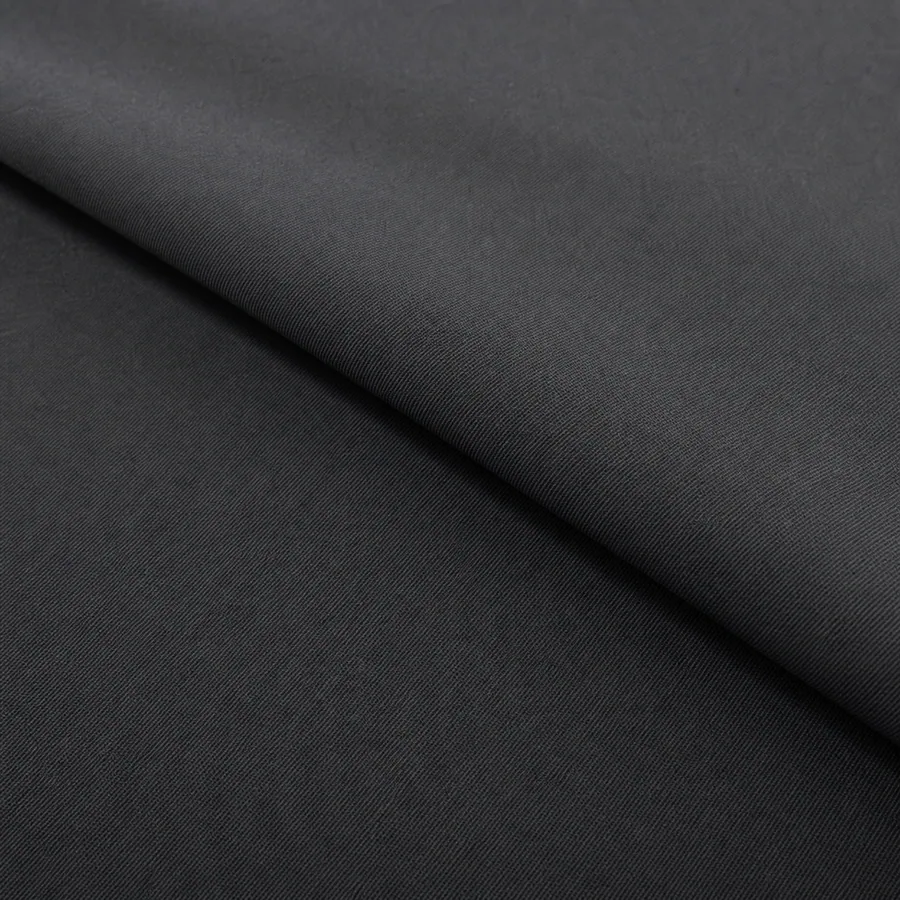
02

Resort and lift-served use

Balance durable weather protection with insulation and comfortable lining or backer choices.

Consider: 3-layer waterproof laminate, Bonded softshell, Synthetic sheet insulation, High-tenacity ripstopRecord shell, insulation and complete garment-system weights separately.
03

Wet snow and exposed weather

Start with a verified shell and seam system, then add reinforcement at high-contact zones.

Consider: 3-layer waterproof laminate, High-tenacity ripstop, TPU-laminated weldable fabricFabric hydrostatic resistance does not establish finished-seam or pocket leakage performance.

Layer and zone architecture

Put each construction where it can do a clear job

  1. 01
    next to skin

    Base layer

    Move moisture away from skin while preserving stretch, comfort and care stability.

    Merino or merino-blend jersey · Grid fleece
  2. 02
    midlayer

    Active midlayer

    Add adaptable loft without blocking the whole system's moisture path.

    Grid fleece · Bonded softshell
  3. 03
    insulation

    Insulation

    Provide a defined loft direction; specify basis weight and thermal method separately.

    Synthetic sheet insulation
  4. 04
    weather shell

    Weather shell

    Manage precipitation and wind with construction-appropriate durability and seam design.

    3-layer waterproof laminate · 2.5-layer lightweight shell · Bonded softshell
  5. 05
    reinforcement

    Reinforcement

    Place abrasion and tear resistance at cuffs, knees, seat and equipment-contact zones.

    High-tenacity ripstop · Stretch double weave · TPU-laminated weldable fabric

Recommended systems to sample

Compare structure, weight and tradeoffs

All displayed weight bands are research-derived planning guidance. No card represents current SSM stock, a named membrane licence, certification or a tested production grade unless a later record explicitly identifies that evidence.

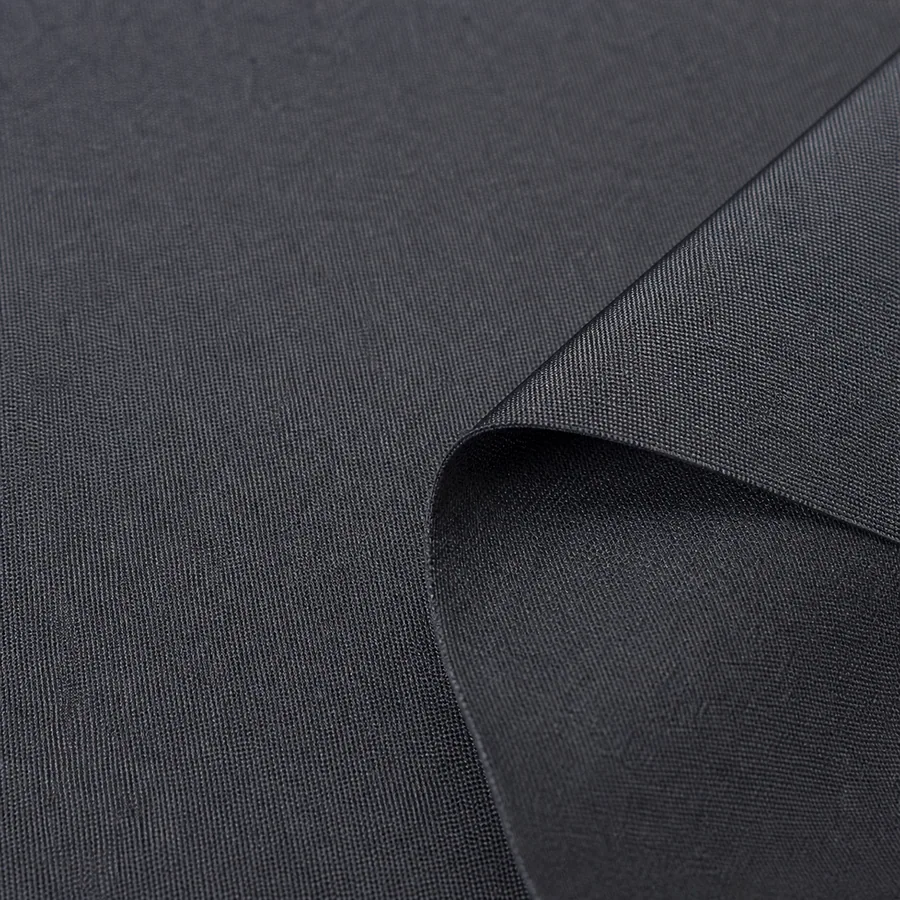
AI-generated representative macro of 3-layer waterproof laminate showing its visible face structure
Representative AI macro · face

Planning visual only; not an exact mill grade, colour standard or tested sample. Show the exact woven face at true macro scale.

FAB-001Planning range

3-layer waterproof laminate

Woven face bonded to a membrane and protective knit or woven backer.

Planning weight
120–220 gsm
Layer role
weather shell

Combines face, barrier and protective backer into one bonded shell package, reducing the need for a loose protective lining.

Ski and snow shellsHunting rain shellsTechnical outerwear
Request this construction in a sample
AI-generated representative macro of Bonded softshell showing its visible face structure
Representative AI macro · face

Planning visual only; not an exact mill grade, colour standard or tested sample. Show the exact woven structure and surface finish.

FAB-004Planning range

Bonded softshell

Stretch woven face bonded to tricot, fleece or a membrane-backed inner layer.

Planning weight
240–380 gsm
Layer role
midlayer, weather shell, main body

Balances movement, a controlled outer face and optional inner warmth in one material system.

Active outer layersTechnical trousersPatrol jackets
Request this construction in a sample
AI-generated representative macro of Stretch double weave showing its visible face structure
Representative AI macro · face

Planning visual only; not an exact mill grade, colour standard or tested sample. Resolve the outer weave and matte or lustrous finish accurately.

FAB-005Planning range

Stretch double weave

Single-layer double-face woven with a durable outer face and a differentiated inner surface.

Planning weight
170–300 gsm
Layer role
main body, reinforcement

Provides a controlled outer surface, movement and a distinct inner hand without requiring a bonded backer.

Articulated trousersKnee and seat zonesMobility panels
Request this construction in a sample
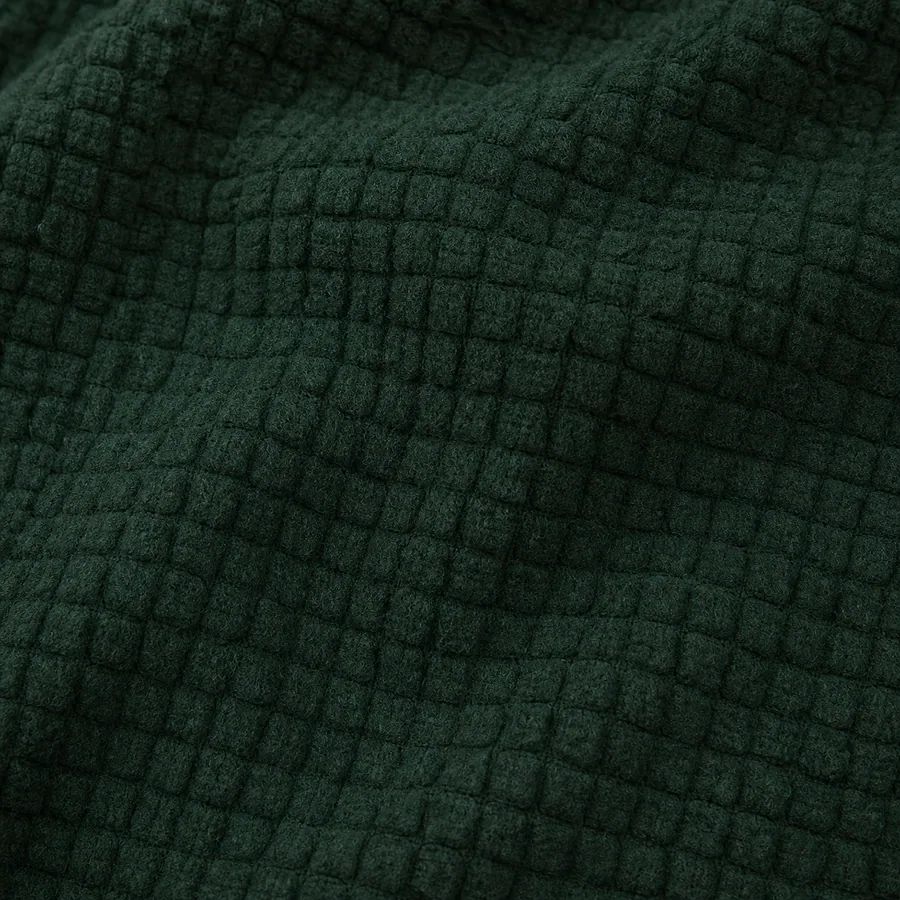
AI-generated representative macro of Grid fleece showing its visible face structure
Representative AI macro · face

Planning visual only; not an exact mill grade, colour standard or tested sample. Show the true face knit without adding a grid if none exists.

FAB-006Planning range

Grid fleece

Knit with raised grid zones separated by lower channels.

Planning weight
140–260 gsm
Layer role
next to skin, midlayer

The raised and recessed geometry can place loft where wanted while reducing continuous bulk.

Active midlayersMapped warmth zonesCold-weather base layers
Request this construction in a sample
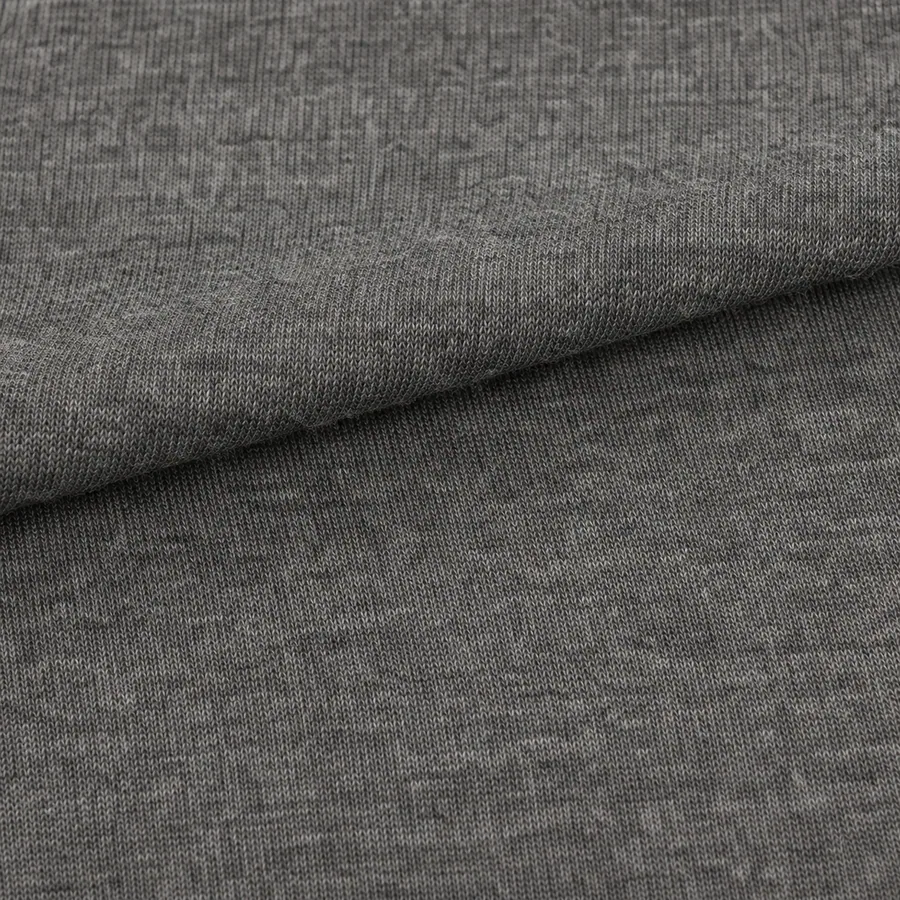
AI-generated representative macro of Merino or merino-blend jersey showing its visible face structure
Representative AI macro · face

Planning visual only; not an exact mill grade, colour standard or tested sample. Resolve fine knit loops and the actual fibre halo at true scale.

FAB-008Planning range

Merino or merino-blend jersey

Fine-gauge weft knit intended for next-to-skin or light layering use.

Planning weight
145–230 gsm
Layer role
next to skin, midlayer

A candidate where buyers prioritize next-to-skin comfort, moisture buffering and natural-fibre hand.

Cold-weather base layersLow-bulk layering topsHunting next-to-skin systems
Request this construction in a sample
face

Show the actual fibre web rather than a woven surface.

FAB-009Planning range

Synthetic sheet insulation

Needled, carded or continuous-filament loft layer used inside an assembled garment system.

Planning weight
40–200 g/m² basis weight
Layer role
insulation

Offers selectable loft and warmth direction in a cuttable layer that can be zoned within a garment.

Insulated ski jackets and bibsCold stationary hunting layersMapped technical insulation
Request this construction in a sample
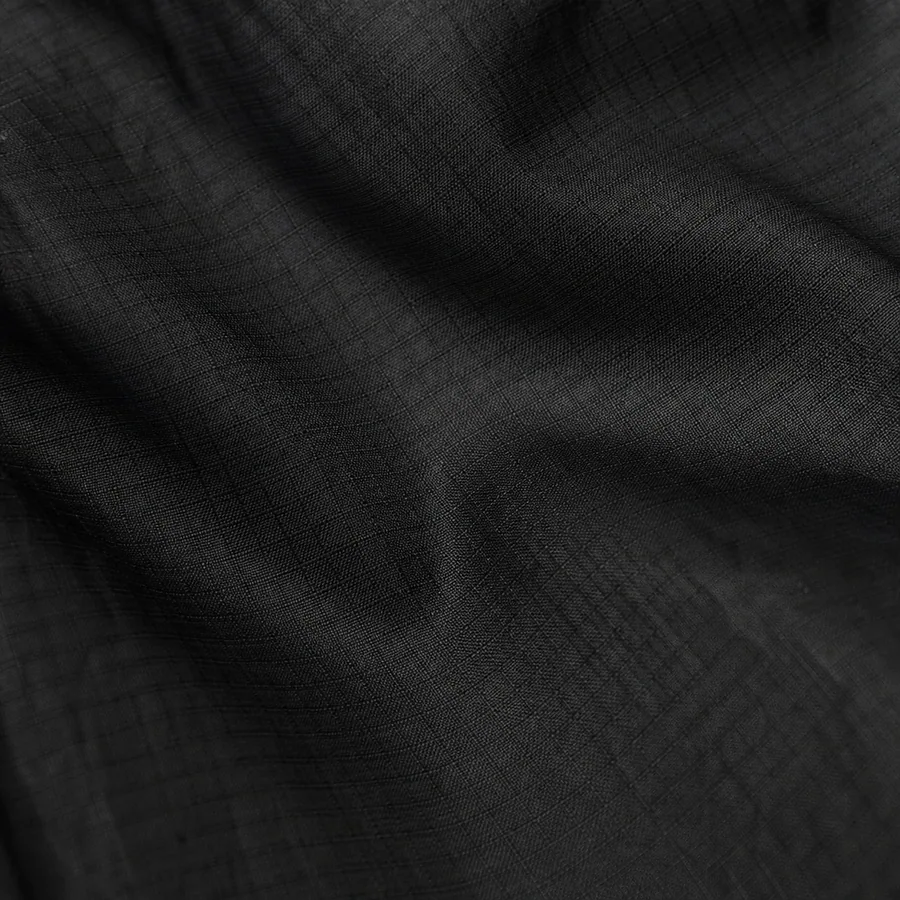
AI-generated representative macro of High-tenacity ripstop showing its visible face structure
Representative AI macro · face

Planning visual only; not an exact mill grade, colour standard or tested sample. Resolve the real reinforcement grid and yarn intersections.

FAB-012Planning range

High-tenacity ripstop

Plain weave with periodic reinforcement yarns forming a visible or subtle grid.

Planning weight
90–240 gsm
Layer role
weather shell, main body, reinforcement

A reinforcement grid can help control tear propagation while providing a clear technical surface structure.

Abrasion-zone panelsPackable shellsTechnical overshirts
Request this construction in a sample

Side-by-side decision support

Compare the shortlisted systems

Planning bands guide sampling conversations. They are not a production specification or a tested result.

Comparison of selected fabric constructions
Material systemPlanning weightConstructionWhy consider itTradeoffs to sampleEvidence state
3-layer waterproof laminate120–220 gsmWoven face bonded to a membrane and protective knit or woven backer.Combines face, barrier and protective backer into one bonded shell package, reducing the need for a loose protective lining.Hand, sound, breathability and durability vary by exact laminate Waterproof fabric does not make seams waterproof Bond durability must be checked after care and ageingPlanning range
Bonded softshell240–380 gsmStretch woven face bonded to tricot, fleece or a membrane-backed inner layer.Balances movement, a controlled outer face and optional inner warmth in one material system.Softshell is not automatically waterproof Warm bonded grades may be unsuitable for high-output use Elastomer and bond durability need care-cycle checksPlanning range
Stretch double weave170–300 gsmSingle-layer double-face woven with a durable outer face and a differentiated inner surface.Provides a controlled outer surface, movement and a distinct inner hand without requiring a bonded backer.Stretch percentages are method-dependent Elastomer can be affected by heat and ageing Airflow and weather resistance vary by weave and finishPlanning range
Grid fleece140–260 gsmKnit with raised grid zones separated by lower channels.The raised and recessed geometry can place loft where wanted while reducing continuous bulk.Grid scale changes hand and thermal behaviour Raised zones can snag or pill Wicking and warmth claims need method-specific evidencePlanning range
Merino or merino-blend jersey145–230 gsmFine-gauge weft knit intended for next-to-skin or light layering use.A candidate where buyers prioritize next-to-skin comfort, moisture buffering and natural-fibre hand.Abrasion and pilling need evaluation Care and shrinkage can constrain the product Odour or sourcing claims require exact evidencePlanning range
Synthetic sheet insulation40–200 g/m² basis weightNeedled, carded or continuous-filament loft layer used inside an assembled garment system.Offers selectable loft and warmth direction in a cuttable layer that can be zoned within a garment.Basis weight is not a warmth rating Migration and quilting spacing are system-specific Compression and care can reduce loftPlanning range
High-tenacity ripstop90–240 gsmPlain weave with periodic reinforcement yarns forming a visible or subtle grid.A reinforcement grid can help control tear propagation while providing a clear technical surface structure.A grid does not guarantee high strength Coatings can increase stiffness and noise Fine grids are easy to misrepresent in generated imageryPlanning range
FAB-001

3-layer waterproof laminate

Planning range
Planning weight
120–220 gsm
Construction
Woven face bonded to a membrane and protective knit or woven backer.
Why consider it
Combines face, barrier and protective backer into one bonded shell package, reducing the need for a loose protective lining.
Tradeoffs to sample
Hand, sound, breathability and durability vary by exact laminate Waterproof fabric does not make seams waterproof Bond durability must be checked after care and ageing
FAB-004

Bonded softshell

Planning range
Planning weight
240–380 gsm
Construction
Stretch woven face bonded to tricot, fleece or a membrane-backed inner layer.
Why consider it
Balances movement, a controlled outer face and optional inner warmth in one material system.
Tradeoffs to sample
Softshell is not automatically waterproof Warm bonded grades may be unsuitable for high-output use Elastomer and bond durability need care-cycle checks
FAB-005

Stretch double weave

Planning range
Planning weight
170–300 gsm
Construction
Single-layer double-face woven with a durable outer face and a differentiated inner surface.
Why consider it
Provides a controlled outer surface, movement and a distinct inner hand without requiring a bonded backer.
Tradeoffs to sample
Stretch percentages are method-dependent Elastomer can be affected by heat and ageing Airflow and weather resistance vary by weave and finish
FAB-006

Grid fleece

Planning range
Planning weight
140–260 gsm
Construction
Knit with raised grid zones separated by lower channels.
Why consider it
The raised and recessed geometry can place loft where wanted while reducing continuous bulk.
Tradeoffs to sample
Grid scale changes hand and thermal behaviour Raised zones can snag or pill Wicking and warmth claims need method-specific evidence
FAB-008

Merino or merino-blend jersey

Planning range
Planning weight
145–230 gsm
Construction
Fine-gauge weft knit intended for next-to-skin or light layering use.
Why consider it
A candidate where buyers prioritize next-to-skin comfort, moisture buffering and natural-fibre hand.
Tradeoffs to sample
Abrasion and pilling need evaluation Care and shrinkage can constrain the product Odour or sourcing claims require exact evidence
FAB-009

Synthetic sheet insulation

Planning range
Planning weight
40–200 g/m² basis weight
Construction
Needled, carded or continuous-filament loft layer used inside an assembled garment system.
Why consider it
Offers selectable loft and warmth direction in a cuttable layer that can be zoned within a garment.
Tradeoffs to sample
Basis weight is not a warmth rating Migration and quilting spacing are system-specific Compression and care can reduce loft
FAB-012

High-tenacity ripstop

Planning range
Planning weight
90–240 gsm
Construction
Plain weave with periodic reinforcement yarns forming a visible or subtle grid.
Why consider it
A reinforcement grid can help control tear propagation while providing a clear technical surface structure.
Tradeoffs to sample
A grid does not guarantee high strength Coatings can increase stiffness and noise Fine grids are easy to misrepresent in generated imagery

Garment-zone mapping

A product can use more than one fabric system

Map material changes to movement, exposure, abrasion, visibility and comfort zones instead of forcing one construction across the garment.

Shell jacket body

Select the laminate architecture against exposure, packability, backer comfort and durability.

3-layer waterproof laminate / 2.5-layer lightweight shell

Ski trousers and articulated panels

Combine mobility with weather protection according to whether the zone can remain air permeable.

Stretch double weave / 3-layer waterproof laminate

Cuff, instep, knee and seat

These high-contact zones may require a more abrasion-focused material and seam route.

High-tenacity ripstop / TPU-laminated weldable fabric

Base and mid layers

Match thermal and vapour resistance to activity rather than treating every warm knit alike.

Merino or merino-blend jersey / Grid fleece

Manufacturing implications

Construction must follow the chosen material

  1. 01

    Test shell seams, pocket entries and seam tape as an assembled system; fabric data alone does not establish garment waterproofness.

  2. 02

    Keep face-fabric GSM, insulation basis weight and total garment weight as separate fields.

  3. 03

    Verify needle size, stitch density and seam sealing on the selected laminate before production.

  4. 04

    Map stretch direction to articulation and panel grain so mobility is not lost in cutting.

  5. 05

    Confirm print, embroidery and badge methods do not puncture or heat-damage a barrier layer without an approved sealing route.

Validation checklist

Ask what the test can—and cannot—show

How does the shell resist water penetration?Review

Tie the result to the exact laminate and condition; assess seams separately.

Hydrostatic resistance
How does the system balance warmth and moisture movement?Review

Use one declared method and avoid direct comparisons with unrelated breathability units.

Thermal and water-vapour resistance
Will movement panels recover after use and care?Review

Measure by direction before and after the proposed care program.

Stretch and recovery · Dimensional change
Can cuffs, knees and seat withstand their intended contact?Review

Select methods and endpoints appropriate to the exact coated or uncoated construction.

Abrasion · Tear and tensile

Proof boundary

Planning guidance is not a supplier promise

All displayed weight bands are research-derived planning guidance. No card represents current SSM stock, a named membrane licence, certification or a tested production grade unless a later record explicitly identifies that evidence.

AI-generated close-ups are disclosed visual references. The approved production record must identify the physical swatch, exact supplier grade, test method, date and sample when those facts are available.

Buyer questions

Skiwear fabric FAQ

Is a heavier ski fabric automatically warmer?Answer

No. GSM measures mass per area, while warmth depends on fibre, loft, air spaces, moisture, garment fit and the complete layer system. Insulation basis weight and a declared thermal method are more useful than shell GSM alone.

What is the difference between 2.5-layer and 3-layer shell fabric?Answer

A 3-layer shell bonds a textile face, barrier and protective textile backer. A 2.5-layer shell uses a lighter printed or applied inner protection instead of a full backer. Exact hand, weight and durability still depend on the grade.

Does waterproof fabric make a waterproof ski jacket?Answer

Not by itself. Seams, pocket entries, zips, vents, hood design and wear points can all admit water. The fabric and assembled garment need separate evidence.

What should a skiwear fabric submission include?Answer

Include the intended activity, climate, garment layer, target weight, stretch direction, shell or insulation role, required methods, care cycle and any reference swatch. That is enough to begin material screening without inventing a specification.

Evidence register

Sources and interpretation limits

Sources support definitions, planning ranges, or test-method context. They do not verify an untested production fabric.

Hydrostatic resistance

ISO 811 or a declared equivalent

Assess resistance to water penetration under hydrostatic pressure.

Record the exact method and fabric state; seam leakage and finished-garment design remain separate questions.
Thermal and water-vapour resistance

ISO 11092 or a declared method

Evaluate thermal resistance and resistance to evaporative heat loss under stated conditions.

Do not compare RET and unrelated MVTR figures as if they were the same measurement.
Abrasion

ISO 12947 for suitable textiles, or a construction-appropriate alternative

Assess surface wear or breakdown using a defined abradant, load and endpoint.

Coated and laminated fabrics may require a different method; state endpoint rather than publishing an unqualified cycle count.
Dimensional change

ISO 6330 and ISO 5077 or a declared wash program

Measure length and width change after a stated care cycle.

Care cycle, drying method, number of cycles and measurement direction are part of the result.
Tear and tensile

A declared tear or tensile method appropriate to the construction

Measure propagation tear or breaking behaviour in identified fabric directions.

State method, direction, conditioning and specimen state. A ripstop grid alone does not prove a strength value.
Stretch and recovery

A declared extension, growth and recovery method

Measure directional stretch and residual growth before and after a stated interval or wash program.

Record direction, load, hold and recovery time; fibre content alone does not predict bagging.
  1. International Organization for StandardizationISO 811:2018

    Hydrostatic water-penetration resistance testing.

    Limit: The method does not define one universal pass value for every garment or end use.
  2. International Organization for StandardizationISO 11092:2026

    Thermal resistance and water-vapour resistance under steady-state conditions.

    Limit: Results should not be compared directly with values produced by unrelated breathability methods.
  3. International Organization for StandardizationISO 12947-2:2016

    Martindale abrasion specimen breakdown for suitable textile fabrics.

    Limit: The stated scope excludes coated fabrics; choose a method appropriate to the exact construction.
  4. PolartecPower Grid

    Grid-knit construction and base/midlayer use context.

    Limit: Named-brand use or sourcing requires authorization and a verified grade.
  5. Schoeller TextilesSchoeller Dynamic

    Stretch-woven composition, mobility and outerwear use context.

    Limit: Exact weights, finishes and test values vary by grade; no sourcing relationship is implied.
  6. CORDURA / INVISTACORDURA fabric FAQ

    High-tenacity nylon, authorized-mill and construction-family context.

    Limit: CORDURA is a trademark, not a generic synonym for all durable nylon.
  7. Synthetic insulation categories and system-level warmth context.

    Limit: A named grade, basis weight and test are required for quantitative warmth claims.
  8. Consumer-readable distinctions among 2-, 2.5- and 3-layer shells.

    Limit: Brand education is useful for architecture, not a universal performance specification.
  9. WoolmarkFeel Merino

    Merino comfort and moisture/odour use context.

    Limit: Marketing-level source; fibre blend, care and claimed performance need grade-specific evidence.

Physical sample before bulk

Build a skiwear fabric brief

Send the target activity, layer system, climate, garment sketch and test priorities. The next step is a reference-led swatch and construction review—not a promise based on a generic fabric name.

Request a fabric-led sample