Four-Way Stretch Fabric Testing for Leggings and Sets
How buyers should test four-way stretch fabrics for leggings and activewear sets: recovery, growth, opacity, seam behavior, and sample approval controls.
Four-way stretch is one of the most overused phrases in activewear sourcing. Buyers hear it in every quote, but the real issue is how that stretch behaves after movement, laundering, and repeated wear. A good fabric must return, not just extend.
Test
Stretch + recovery
Check
Opacity
Check
Growth
Risk
Bagging out
Short Answer
Buyers should test four-way stretch fabrics in the garment, not only on the mill card. The key checks are stretch direction, recovery after extension, opacity under real fit tension, and seam behavior under movement. If you are still selecting the broader fabric weight family, read our GSM guide for activewear first, then connect the result to this article and the new custom yoga apparel manufacturer guide. The most demanding version of the recovery-and-opacity test is a riding breech, where a silicone or suede grip panel has to stretch and recover with the base fabric it is bonded to — set out in our custom equestrian apparel manufacturer guide.
Buyer Test Checklist
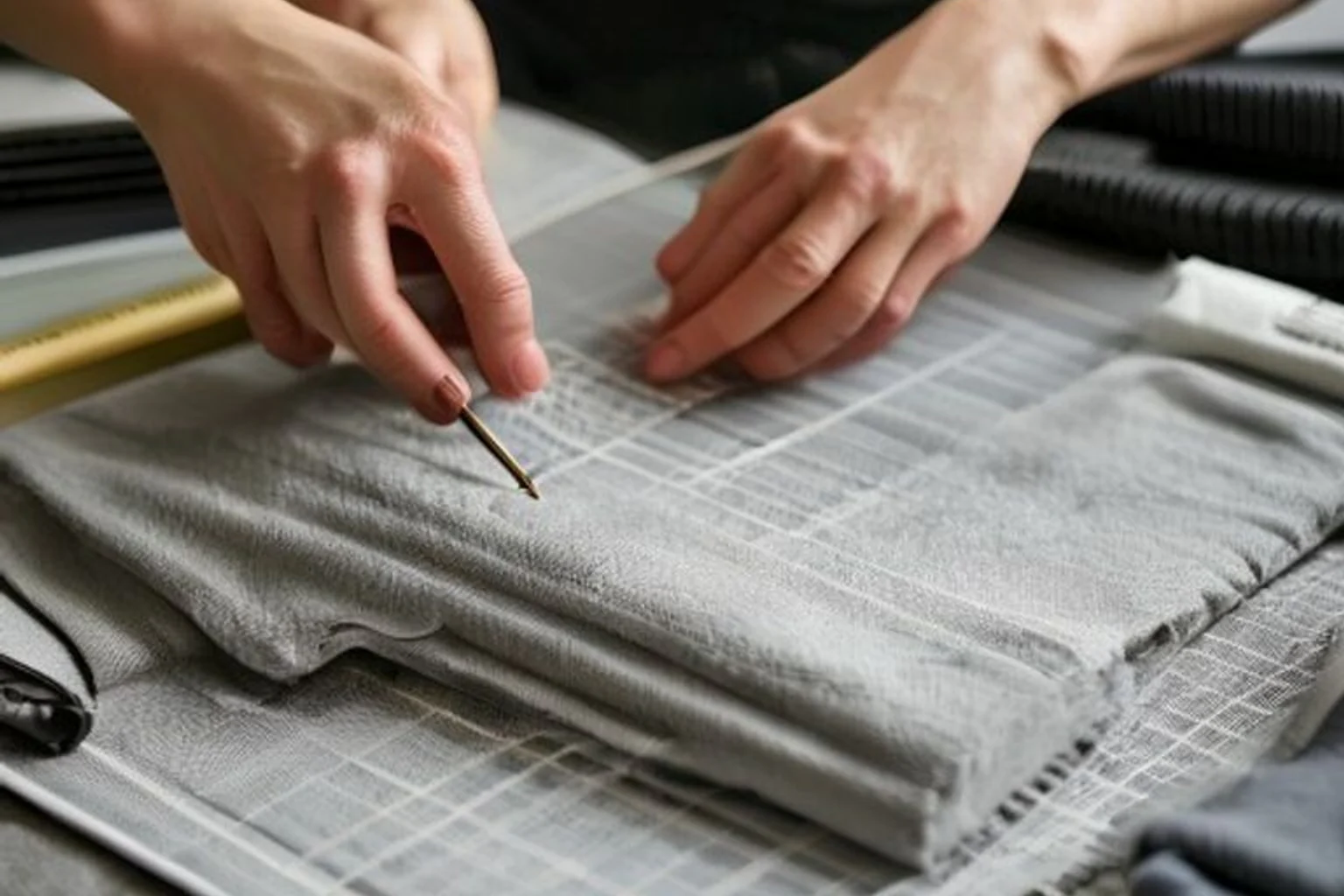
- Test stretch and recovery on the actual garment, not only the swatch card.
- Compare candidate fabrics after repeated movement so you can see which one bags out.
- Check opacity in the seat, hip, and thigh under the target size range, not only on the base sample.
- Review seam tension, waistband return, and gusset shape together with the fabric result.
- Keep the approved fabric tied to the final care-label instructions so washing does not destroy recovery.
What Buyers Should Evaluate
| Checkpoint | What To Check | Commercial Risk |
|---|---|---|
| Stretch direction | Does the fabric extend and recover cleanly in both width and length where the garment needs it? | A set sold as four-way stretch can still feel restrictive if one direction recovers poorly or distorts the panel. |
| Growth after extension | How much bagging or permanent growth appears after wear simulation, bending, and repeated pull? | Knees, seat, waist, and elbows lose shape first, which makes the product feel cheap quickly. |
| Opacity under stretch | Does the fabric stay buyer-safe in the seat and thigh at real fit tension? | Good softness cannot rescue a legging that goes sheer in class or under studio lighting. |
| Seam behavior | Can seams, topstitching, and elastic points move with the fabric without popping or tunneling? | A strong fabric still fails if the construction fights the stretch profile. |
The Test Standards Buyers Should Know
Official test methods are useful because they give buyer and factory a common language. ASTM currently lists D2594/D2594M-21 for stretch properties of low-power knitted fabrics and D6614/D6614M-20 for textile fabric stretch and growth more broadly. For woven fabrics made from stretch yarns, ASTM also lists D3107-26.
That does not mean every buyer must run a full lab program. It does mean the factory should know which direction is appropriate for the fabric family being proposed. A knit legging and a stretch woven warm-up pant should not be evaluated the same way.
In practice, the best workflow combines formal method awareness with actual wear testing. Buyers should still squat, bend, hold position, wash the sample, and retest it. Lab language without real movement review is incomplete.
How SSM Uses This in Sample Development
SSM uses the stretch brief to decide which fabric candidates should even reach the sample room. Then the silhouette matters: leggings, fitted tops, bras, and flare pants load the fabric differently. That is why a fabric that passes on a swatch can still fail on the garment.
The buyer-safe sequence is simple: shortlist fabrics, sample the actual product, review stretch and recovery after motion, then seal the construction. Buyers combining yoga and light training should also compare with our moisture-wicking guide so sweat behavior and stretch behavior are being solved together rather than in separate silos.
Most avoidable rework comes from approving a "soft and stretchy" fabric before it has proven itself in the seat, knee, waistband, and seam line. This article exists to stop that mistake.
Quick Facts
What does four-way stretch mean for leggings and yoga sets?
It means the fabric can extend in both width and length directions with useful recovery, which helps the garment move more naturally around the body. Buyers still need to test how that stretch behaves in the finished garment.
Which current test methods are most relevant to this topic?
ASTM publishes relevant methods such as D2594 for low-power knitted-fabric stretch and growth, D6614 for textile fabric stretch and growth, and D3107 for woven fabrics made from stretch yarns. The right method depends on the fabric structure and use case.
Why is opacity part of stretch testing?
Because leggings and fitted sets fail commercially when the fabric turns transparent under real body tension, even if the fabric technically stretches well.
How does SSM reduce stretch-related rework before bulk?
SSM compares fabric options, samples the actual silhouette, checks recovery and opacity in movement, and seals the approved construction before the bulk cut begins.
Need Help Testing an Activewear Fabric Before Bulk?
Send the fabric candidate, intended silhouette, and target market. SSM can help compare stretch behavior, sample the actual style, and reduce recovery-related surprises before production.