Custom Yoga Apparel Manufacturer: Buttery-Soft Fabric Program Guide
How yoga brands should source leggings, bra tops, and layering pieces: buttery-soft fabrics, fit development, opacity, MOQ, and export workflow.
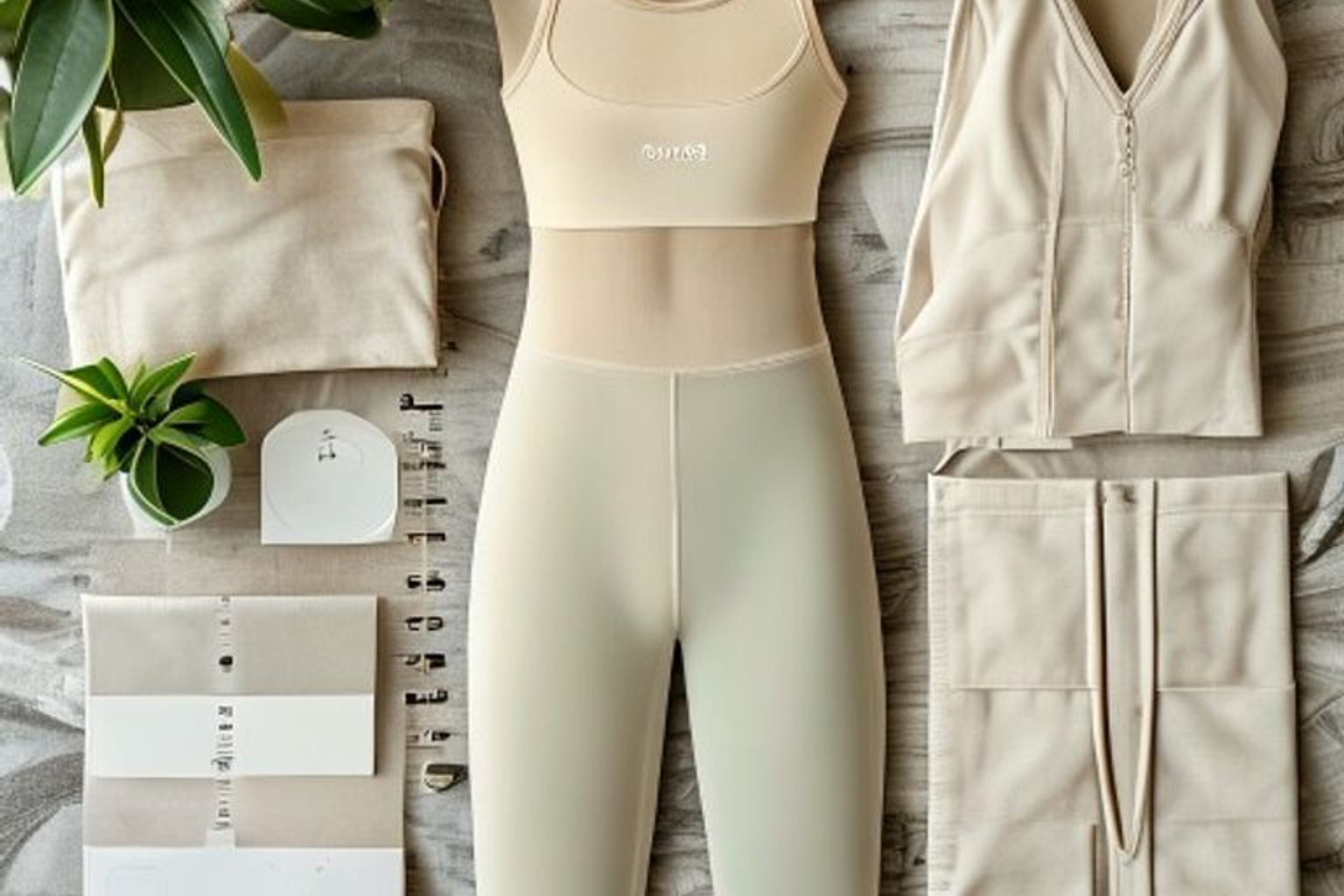
Yoga buyers usually talk about softness first, but the real sourcing question is bigger: how do you build a product that feels smooth in hand, stays opaque in motion, recovers after stretch, and still merchandises as a premium studio-to-street range? That is where the factory brief has to become more technical.
MOQ
50 pcs
Samples
7-10 days
Bulk
25-35 days
Priority
Softness + coverage
Short Answer
A strong yoga-apparel manufacturer should help the buyer translate a mood like "buttery soft" into a working product program: fabric family, opacity target, recovery standard, waistband logic, bra support level, and a tight coordinated set plan. Buyers who still need the wider activewear context should pair this piece with our GSM guide for activewear, the new four-way stretch testing guide, and the broader sportswear startup manufacturing guide.
Buyer Checklist Before Sampling
- Define whether the range is true yoga, light training, pilates, or a studio-to-street capsule before asking for prices.
- Approve softness together with opacity and stretch recovery instead of signing off from hand feel alone.
- Test the waistband, gusset, and seat coverage in movement, not only on a dress form.
- Keep the first launch tight: one hero legging, one bra or top, and one layering piece usually converts better than a scattered SKU list.
- Lock care-label language and packaging before bulk so the final set arrives retail-ready.
What the Factory Needs to Know Up Front
| Area | What Good Looks Like | Why Buyers Care |
|---|---|---|
| Hero fabric brief | Buttery-soft hand feel, high coverage, stable recovery, and low grin-through under stretch | Yoga buyers usually want softness first, but they still return leggings that turn sheer or bag out after class. |
| Set architecture | Bra, legging, flare pant, jacket, or cover-up planned as one small system | Most yoga capsules sell better when one hero color family can build multiple coordinated outfits. |
| Fit intent | Second-skin, relaxed studio, or studio-to-street silhouette defined before grading starts | A soft yoga program fails when the factory uses a generic activewear block with the wrong rise, hem, or compression level. |
| Trim and label plan | Waistband construction, gusset shape, bra support level, care label, hangtag, and set bundling confirmed | Yoga launches are often margin-sensitive, so trim mistakes and relabeling late in the process erode profitability fast. |
Why 'Buttery Soft' Is Not Enough on Its Own
Soft-touch yoga fabrics sell because they feel comforting and premium on the first try-on. The sourcing mistake happens when buyers stop there. A legging can feel luxurious in hand and still fail on the body because the knit turns sheer in the seat, loses recovery at the knee, or traps too much heat in longer classes.
That is why SSM treats softness as one variable inside a bigger approval framework. The buyer should decide whether the hero piece is a low-compression studio legging, a more supportive training-tight crossover, or a studio-to-street flare or straight-leg pant. Each direction changes waistband strategy, gusset shape, panel count, and which fabric weight actually makes sense.
Brands building adjacent modest or coverage-led yoga ranges should also review our modest activewear manufacturer guide, because longerline tops and layered silhouettes shift the development brief again.
Sample-to-Bulk Timeline for a Small Yoga Launch
| Stage | Output | Typical Window |
|---|---|---|
| Brief and tech pack | Silhouettes, target fabric feel, support level, size range, and branding plan | 2-4 days |
| First sample | Yoga-fit prototype with the intended fabric family and waistband construction | 7-10 days |
| Movement review | Opacity, recovery, bra support, and hem behavior checked in wear testing | 2-3 days |
| Revised approval | Final sample, labels, packing, and colorway sign-off | 4-7 days |
| Bulk production | Cutting, sewing, finishing, QC, and export packing | 25-35 days |
This sample-first path matters because yoga buyers are usually selling feel, confidence, and repeat wear, not only a logo. Fixing seat coverage, bra hold, or waistband roll at the first-sample stage is much cheaper than correcting hundreds of units after a launch review cycle.
Quick Facts
What MOQ does Sialkot Sample Masters support for custom yoga apparel?
SSM supports custom yoga programs from a 50-piece MOQ per style, which is practical for pilot launches, boutique studios, and early private-label drops that need real customization without overcommitting inventory.
What does 'buttery-soft' actually mean in a buyer brief?
It usually refers to a smooth, low-friction hand feel with gentle compression rather than a hard athletic feel. Buyers should still define opacity, stretch recovery, and intended use because softness alone is not enough.
How fast can a yoga sample be developed?
When the spec is clear, yoga samples usually move in 7-10 days. That sample stage matters because waistband behavior, seat coverage, and support are easier to fix before bulk production starts.
Can SSM handle private-label labels and export packing for yoga sets?
Yes. SSM can coordinate neck prints, care labels, hangtags, set bundling, polybag rules, and export packing so the product lands as a retail-ready yoga program instead of only a sewn garment.
Need a Buyer-Safe Yoga Range Built From the First Sample?
Share the target wearer, reference styles, softness direction, and launch size. SSM can help convert that into a sample path, fabric shortlist, and export-ready private-label program.