Sublimation vs Cut-and-Sew Cricket Kits: Which Build Fits Your Program?
How clubs and academies should choose between sublimation and cut-and-sew cricket kits based on graphics, fabric, roster complexity, and reorder logic.
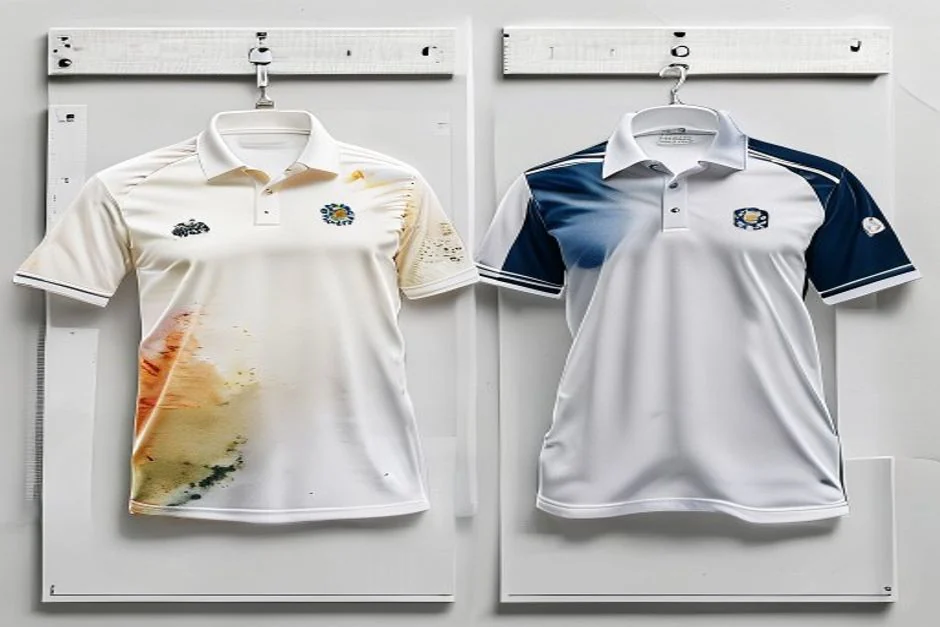
Clubs and academies often compare cricket kits by color and price first, but the real split is construction logic. Whether the jersey is sublimated before sewing or built from separate dyed panels changes graphics, roster handling, sampling, and how easily the program scales.
MOQ
50 pcs
Best For
Modern kits
Alt Path
Heritage panels
Bulk Window
25-35 days
Short Answer
Use sublimation when the cricket kit depends on gradients, sponsor-heavy fronts, and variable player names and numbers. Use cut-and-sew when the program is cleaner, more panel-driven, or closer to classic whites and training polos. Buyers first orienting on the full category should start with our custom cricket jersey manufacturer guide, then use this article to lock the actual build path before sampling.
Fast Decision Checklist
- Start with the match brief: classic whites, colored limited-overs kit, or training top.
- Confirm whether sponsor branding, player names, and numbers must vary per jersey.
- Choose the fabric weight before locking the print method so breathability and opacity stay aligned.
- Ask whether the design depends on gradients and all-over art, or on cleaner contrast panels and seam detail.
- Freeze the roster list and size set before bulk so the production path does not split halfway through the run.
Side-by-Side Construction Comparison
Both routes can produce an export-ready cricket kit, but they solve different problems. Sublimation is a print-first system built for artwork flexibility. Cut-and-sew is a panel-first system built for seam architecture and cleaner fabric blocking.
| Decision Point | Sublimation | Cut-and-Sew |
|---|---|---|
| Graphic freedom | Unlimited gradients, sponsor blocks, player names, and numbers printed into the panel before sewing. | Best for color-block panels and cleaner heritage looks; complex artwork needs extra print or embroidery steps. |
| Base fabric | Requires white or very light high-polyester fabric for clean dye transfer and consistent shade control. | Can mix light and dark fabrics in the same garment because the color comes from the fabric panel itself. |
| Unit economics at 50 pcs | Strong for custom club and academy programs because artwork complexity does not raise the per-piece print cost much. | Efficient when the design is mostly panel-driven and the buyer wants fewer printed details. |
| Roster variation | Each jersey can carry a different player name and number in the same run without extra setup. | Variable data usually adds a separate transfer or embroidery workflow after sewing. |
| Best use case | Colored match kits, academy programs, sponsor-heavy league kits, and gradient-led modern designs. | Classic whites, training polos, and heritage-inspired club kits with a more structured hand feel. |
When Sublimation Wins
Sublimation is the clear winner when one order contains a full roster of unique player names and numbers, when the club crest and sponsor system cover large parts of the front, or when the artwork uses gradient fades and panel-spanning color transitions. Because the dye is printed into the polyester panel before cutting, the visual complexity does not multiply the way a separate transfer or embroidery workflow does.
It is also the safer choice for academies that reorder small top-ups later. Once the approved print benchmark is sealed, the same artwork system can be reused for additional youth or adult sizes. That print-approval discipline is why gradient-heavy programs should also review our sublimation color-matching guide before bulk.
When Cut-and-Sew Wins
Cut-and-sew becomes stronger when the buyer wants cleaner, more traditional styling or is deliberately reducing visual noise. A club that wants a whites program, a contrast yoke, a more structured collar, or a training top with sewn-in navy shoulder panels may not need full sublimation at all.
This route also helps buyers who care more about seam placement and garment architecture than about unlimited printed artwork. It is especially useful for academy tops that should feel closer to a training polo than to a full match-day jersey. Buyers comparing adjacent teamwear categories can see how the same logic changes again inside our rugby jersey construction guide.
Sample-to-Bulk Workflow
The buyer-facing lead times stay familiar, but the production sequence under the hood changes depending on the chosen route. What matters is locking the method before the first sample is approved.
| Stage | What Happens | Typical Window |
|---|---|---|
| Artwork and roster review | Factory checks logos, colorway references, and variable name-number data. | 1-2 days |
| Method selection | Sublimation route or cut-and-sew route is locked against the design brief. | Same review cycle |
| Sample development | One full sample using the chosen construction path and actual jersey fabric. | 7-10 days |
| Buyer approval | Fit, color, collar shape, and decoration logic are approved in writing. | 2-3 days |
| Bulk production | Printing, cutting, sewing, QC, and packing for the full roster or club order. | 25-35 days |
If the program also spans youth and adult teams, the method decision should be paired with an early size-set review. That is where our academy size-set ordering guide becomes useful, because the best print route still fails if the grading logic is weak.
Quick Facts
Which is better for cricket kits: sublimation or cut-and-sew?
It depends on the product brief. Sublimation is usually better for modern match kits with gradients, sponsor blocks, and individual player names and numbers. Cut-and-sew is stronger when the buyer wants cleaner heritage styling, fewer printed details, or darker contrast panels built directly from fabric.
Can a factory run both methods at a 50-piece MOQ?
Yes. Sialkot Sample Masters supports both methods at a 50-piece MOQ, but the right method should be chosen before sample development so the jersey pattern, fabric plan, and decoration workflow all stay aligned.
Why does sublimation suit academy and club programs so well?
Because player names, squad numbers, and sponsor placements can change per jersey inside the same order without adding a new setup fee for each piece. That matters when one academy order spans multiple teams and age groups.
When does cut-and-sew make more sense for cricket apparel?
Cut-and-sew is often the better path for classic whites, cleaner training polos, or heritage-led kits where the buyer wants panel contrast, a crisper collar, and less reliance on printed graphics.
Do lead times change between the two methods?
Sample lead times are similar at around 7-10 days, and bulk production still typically sits in the 25-35 day range. The difference is usually in the internal production sequence, not the buyer-facing lead-time window.
Can both methods be shipped DDP?
Yes. Once the method and approved sample are locked, either construction path can move through the same export packing and DDP shipping workflow.
Need the Right Cricket-Kit Build Before Sampling?
Send the match format, artwork direction, roster size, and target hand-feel. SSM can recommend the better route, sample it in 7-10 days, and map bulk production at low MOQ with export support from Sialkot.