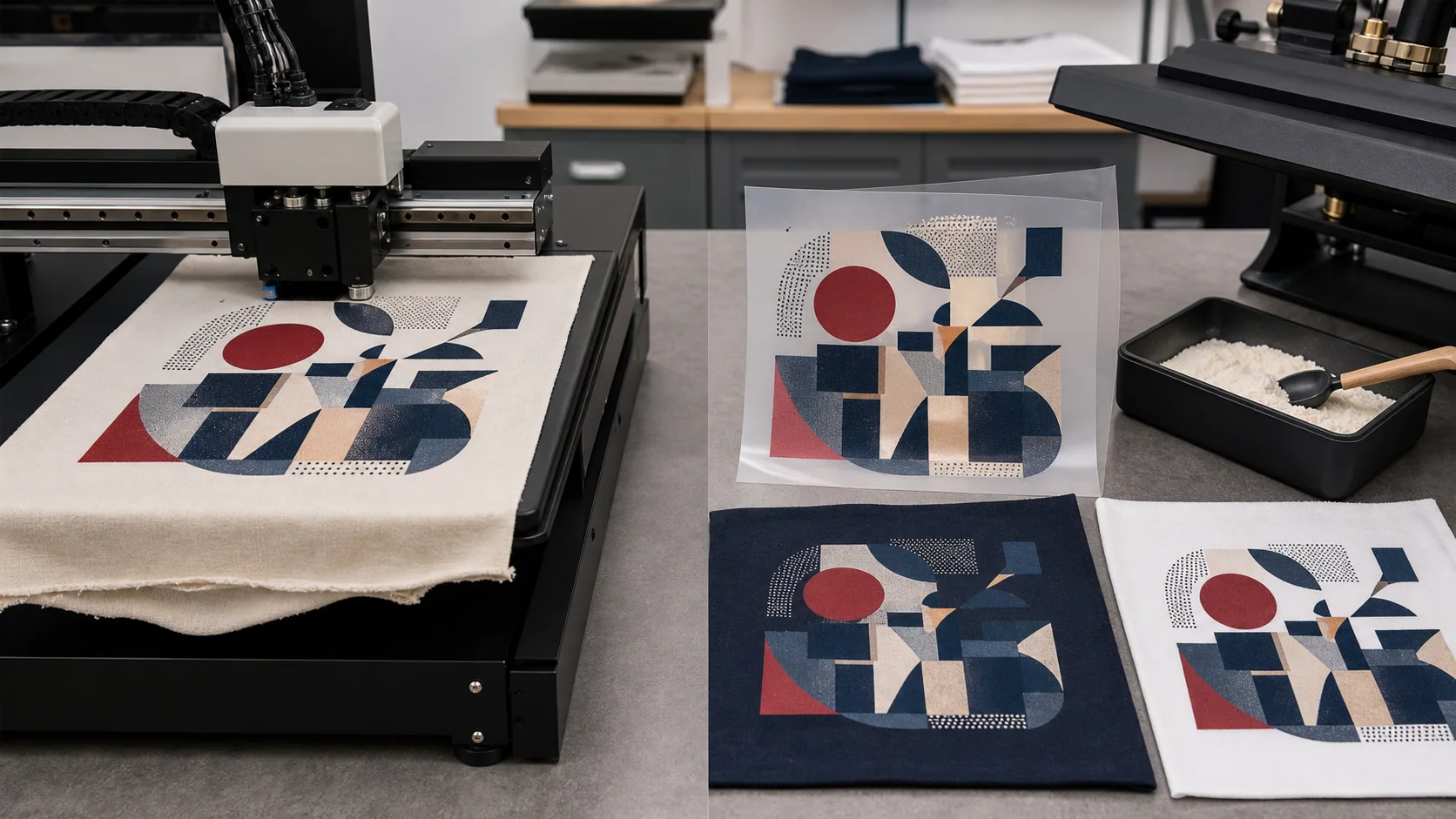
Technical Guide 10 min
DTF vs DTG Printing: Choose by the Finished Garment
Compare DTF and DTG by substrate, hand, artwork, stretch, care, physical approval, and evidence scope.
Read More
Now Accepting Orders for SS2026 — Sample turnaround in 7-10 days. Worldwide shipping available. Request a Sample Kit →
Why the world's top sports brands choose sublimation for performance. A deep dive into the science of gas-to-fiber printing.
0%
Breathability Retained
0+
Wash Cycles (No Fade)
0M
Possible Color Shades
0
Texture/Feel on Fabric
Unlike screen printing—where ink sits on top of the fabric—sublimation actually bonds the ink inside the fibers. When the heat hits those polyester-based fibers, they open up like a microscopic pore, allowing the vaporized ink to enter. Once cooled, the pore closes, locking the color in forever. This is exactly why we recommend sublimation as the default print method for new brands in our sportswear manufacturer in Pakistan for startups guide. For the full head-to-head against screen printing — fabric compatibility, hand feel, cost curve at 50 vs 1,000 pieces — see sublimation printing vs screen printing for sportswear. And to see the process applied to a full roster-based team program — youth sizing, per-player names and numbers, season timeline — read our guide to sublimated youth soccer kits.
Creating high-resolution vector artwork that is mirrored before printing to ensure correct orientation on fabric.
Printing the mirrored design onto specialized heat-transfer paper using premium Italian or Japanese sublimation inks.
Applying high heat (200°C) and pressure. The solid ink turns into gas and molecules merge with the fabric fibers.
As the fabric cools, the ink molecules are trapped inside the fibers, making the print permanent and breathable.
Sublimation requires specific synthetic compositions to achieve vibrant results.
| Fabric Type | Polyester % | Color Vibrancy | Durability |
|---|---|---|---|
| 100% Performance Poly | 100% | Ultra-Vibrant | Exceptional |
| Interlock / Birdseye | 100% | High Contrast | High |
| Poly-Spandex Blends | 80-92% | Very Good | High (Stretch-Safe) |
| Poly-Cotton Blend | 50-65% | Vintage/Faded | Moderate |
| 100% Cotton | 0% | Not Recommended | N/A |
Generic inks often lead to "ghosting" or color shifting (e.g., black turning to brown after 5 washes). We exclusively use J-Teck (Italy) or Epson Gen5 inks for deep, true color saturation.
Low-GSM paper warps under high-speed printing, causing blur. Our 100GSM+ Tackified Paper ensures the design doesn't move during transfer, providing razor-sharp edges on every logo.
For European exports, your inks must be free of harmful chemicals. Our sublimation process passes all OEKO-TEX and REACH stringent tests.
We use X-Rite spectrophotometers to ensure that the color of the jersey you order in March perfectly matches the re-order in November.
Manufacturing & Export Division
Sialkot Sample Masters is a Sialkot-based custom apparel development and manufacturing partner for streetwear, sportswear, hunting wear, technical outerwear, uniforms and martial-arts garments. The team uses a specification-led path from brief and sample approval to production preparation.
More manufacturing guides and industry insights from Sialkot Sample Masters.
Compare DTF and DTG by substrate, hand, artwork, stretch, care, physical approval, and evidence scope.
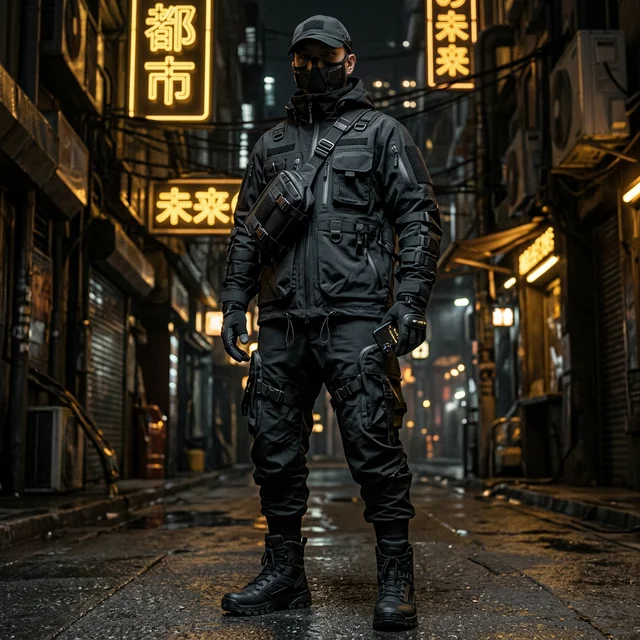
Articulated sleeves, pre-bent joints, gusset engineering, and membrane seam constraints — the pattern-room discipline that separates real techwear from styled streetwear.
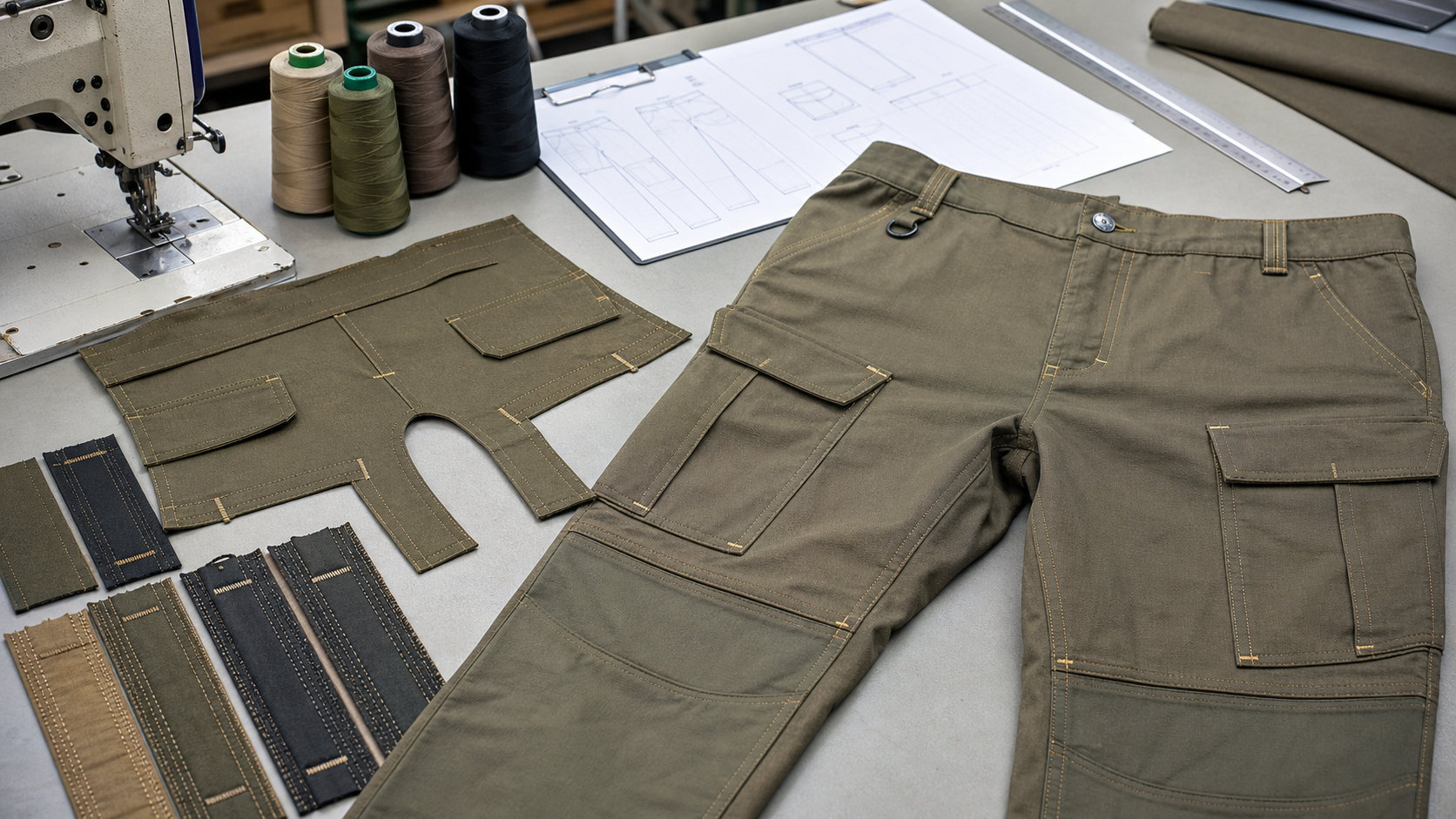
Where bartacks belong on cargo and tactical apparel so belt loops, pocket corners, and fly bases survive real wear.