Cycling Kit Trends: Gravel, Club, and Lifestyle Ride Apparel
A 2026 cycling-apparel trend report for private-label buyers: gravel utility, calmer club fits, lifestyle crossover, and collection planning.
Cycling apparel is no longer one narrow race-jersey story. The current direction is a wider system: race pieces stay lean and aerodynamic, club silhouettes relax slightly for broader wearability, and gravel collections add cargo, texture, and all-day utility. For private-label buyers, the opportunity is not to chase every look at once, but to build a range that understands which rider the garment is actually for.
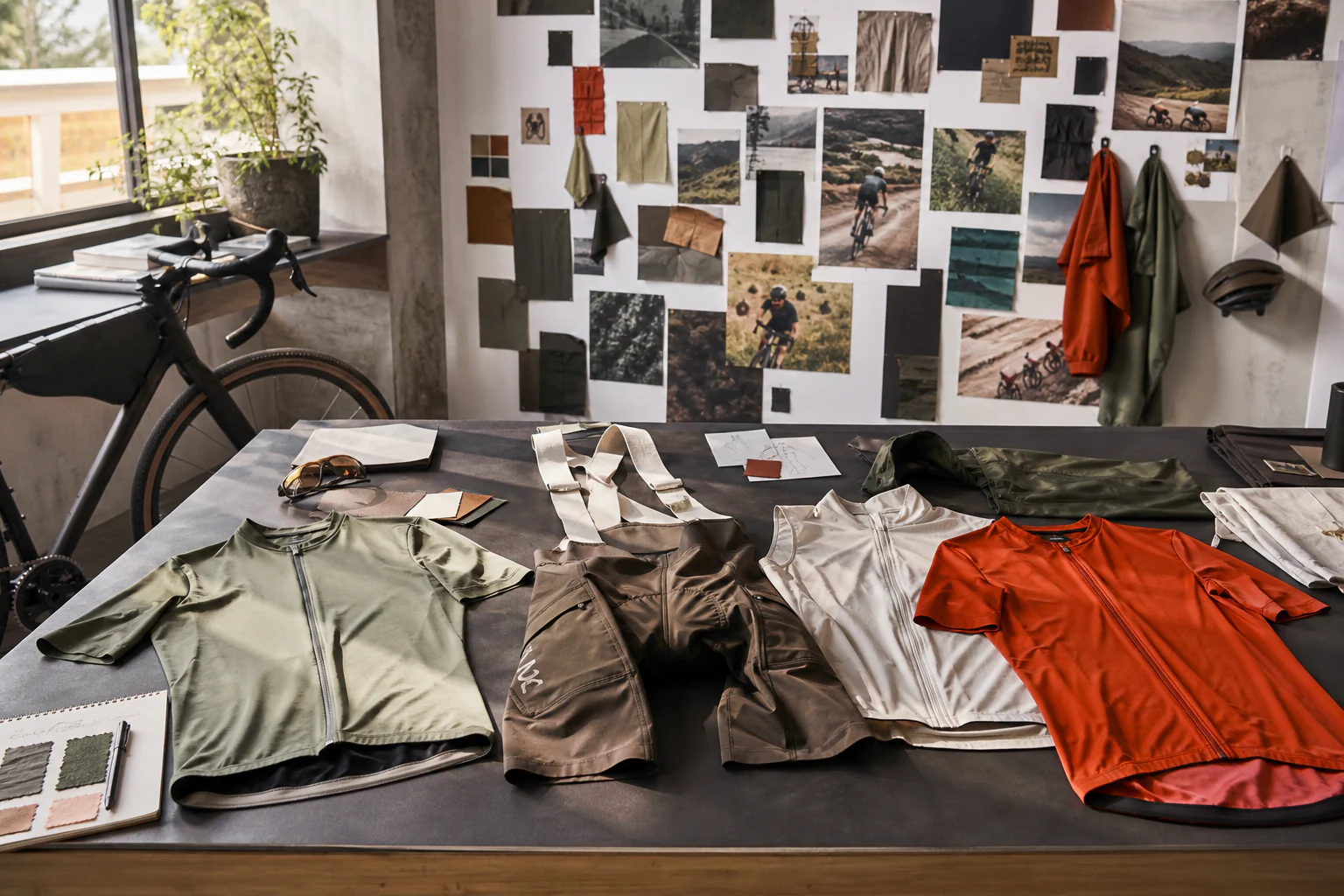
What Current Official Brand Signals Are Showing
Rapha's current road-and-gravel assortment keeps road and gravel under one ride universe while surfacing distinct gravel sub-collections and majority-recycled material filters.
MAAP's current Alt_Road line pushes breathable natural-fabric blends, friction-free designs, and extra cargo capacity for long off-road rides.
Castelli's current custom cycling range splits race, climber, endurance, and trail/adventure jerseys rather than forcing one fit block across every rider type.
Those are source observations, not copied brand claims. The useful inference is that buyers should stop briefing cycling apparel as one generic jersey family. The market is rewarding tighter use-case definition, and that changes both product development and MOQ planning.
The Four Directions Worth Designing Around
The first trend is gravel utility. Storage matters more, fabrics need to feel tougher, and the styling can carry slightly more outdoor influence. The second is calmer club-fit refinement: not full race compression, but still clean enough to feel premium. The third is lifestyle crossover, where technical garments need to hold up in the café, commute, or travel context as well as on the ride. The fourth is heat management, because lighter fabrics and better vent zoning are now part of the value story, not only performance jargon.
| Direction | What It Looks Like | Commercial Use |
|---|---|---|
| Gravel utility | Cargo bibs, over-shirts, stash pockets, abrasion-aware fabrics | Long mixed-surface rides and adventure-oriented private labels |
| Club fit refinement | Softer body skims, cleaner sleeve finish, calmer branding | Community clubs, events, and broad-size team programs |
| Lifestyle crossover | Muted earth tones, technical tees, ride-to-cafe layering | Brands that want one collection to work on and off the bike |
| Heat management | Air-mesh zones, lighter fabrics, vent-led panelling | Hot-weather collections and endurance summer capsules |
How Buyers Should Turn Trends Into a Range
The smartest move is not to build a large collection. It is to build a small range with clear jobs. For example: one club-fit core jersey, one gravel-led jersey with stronger storage logic, one bib program, and one lightweight layer. That lets a brand test demand while keeping the range easy to explain to retailers, teams, or DTC customers.
Buyers also need to think in systems. Color must work across tops and bottoms. Trims must feel related. And the fit logic should be explained on the product page before customers guess wrong. If you are still refining the functional side, pair this article with our guide to cycling jersey construction, which covers the technical components that make these trend directions wearable in practice.
Brands that are ready to turn the trend direction into a launchable SKU should also read our custom cycling jersey manufacturer sourcing guide for the sample and MOQ side of the decision.
Separate the collection into race, club, and gravel fits before you brief the factory.
Choose which silhouettes need real cargo and which only need a cleaner visual pocket story.
Define where brand graphics should stay bold and where the range should lean quieter or more premium.
Approve the palette across jerseys, bibs, gilets, and accessories as a system instead of garment by garment.
Test the range with different rider positions and ride durations, not only a quick fit-on review.
Lock which pieces are core repeat styles and which are seasonal storytelling drops.
What Sialkot Sample Masters Can Build Into the Program
Core Jerseys
Club and private-label cycling tops at a 50-piece MOQ, with fit and print development handled through a sample-first workflow.
Cargo-Led Variants
Pocket-heavy gravel concepts, mixed trims, and practical layering pieces that move beyond a basic team jersey.
Collection Consistency
Shared color, trim, and packaging direction across the capsule so the range feels deliberate instead of pieced together.
Export Readiness
Sampling in 7 to 10 days, bulk production in 25 to 35 days where approved, and export/QC support for international buyers.
Planning a Trend-Led Cycling Capsule?
Share your target rider, planned silhouette list, and palette direction. We can help turn the trend idea into a sample-ready product program instead of a vague moodboard.
Cycling Trend FAQs
What is the biggest cycling apparel trend for 2026 collections?
The clearest direction is segmentation rather than one universal jersey. Current premium collections separate race, club, and gravel use cases more explicitly, with gravel and endurance apparel getting more storage, more relaxed comfort, and more crossover styling.
Are gravel and road cycling kits still designed the same way?
Not usually. Road kits still lean more aero and stripped-back, while gravel kits are increasingly built around cargo, longer-duration comfort, and softer lifestyle crossover. The best private-label ranges brief them as related but distinct products.
How should a new brand use these trends without over-designing the range?
Start with one clean club-fit jersey, one stronger gravel-style piece, and one layer or accessory that extends the story. Buyers do better with a tight system than a large first range full of overlapping silhouettes.
Can Sialkot Sample Masters build trend-led cycling apparel at low MOQ?
Yes. Sialkot Sample Masters supports cycling apparel sampling from a 50-piece MOQ, with private-label trims, fit development, and export support for brands that want to test a collection before scaling it.