Security Uniform Design Trends: Cleaner Tactical, Better Daily Comfort
2026 security uniform design trends: cleaner tactical styling, lighter performance fabrics, role-based visibility layers, and premium assortment logic.
Product / Design / Material Trend Update
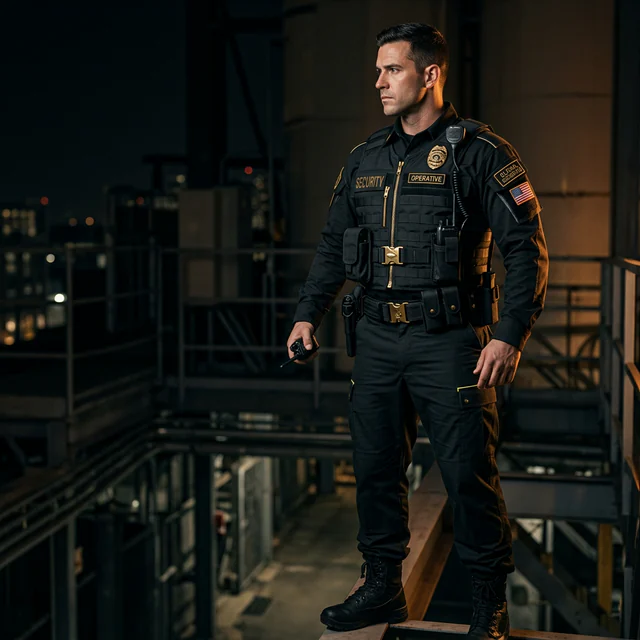
The security uniform market is becoming more edited. Buyers still want authority and durability, but the strongest programs now lean on cleaner proportions, calmer branding, and more wearable fabric decisions instead of piling every tactical feature into every garment.
Direction
Cleaner tactical
Fabric
Comfort-led
System
Layer-specific visibility
MOQ
50 pcs +
Short Answer
In 2026, better security uniform design means cleaner silhouettes, lighter duty-appropriate fabrics, and more selective use of hi-vis and heavy tactical detailing. Buyers shaping a full program should pair this trend lens with our custom security uniform manufacturer guide, the technical checks in wash durability testing, and the procurement view in annual uniform replenishment planning.
Design Review Checklist
- Decide whether the uniform should read corporate, field tactical, or hybrid before choosing pocket density and trim.
- Edit the silhouette for movement and comfort before adding more details to look 'professional'.
- Keep hi-vis pieces role-specific so visibility gear solves risk without distorting the full program aesthetic.
- Use branding methods that can survive laundering and replenishment, not only the first presentation.
- Review the assortment as a system: shirt, trouser, outer layer, and seasonal swap pieces should feel related.
The Four Design Shifts Buyers Are Making
| Trend | What It Looks Like | Why Buyers Like It |
|---|---|---|
| Cleaner tactical lines | Less bulky silhouettes, flatter cargo execution, and better-edited seam placement. | The uniform still reads authoritative without feeling like surplus-style overbuild. |
| Comfort-led fabrics | Stretch twills, lighter softshells, and more breathable shirt constructions for long shifts. | Better all-day wear improves compliance and reduces the urge to self-modify the uniform. |
| Layered visibility logic | Hi-vis garments treated as role-specific outer layers rather than defaulting every core style to reflective tape. | Buyers control cost and appearance while still matching the right high-risk roles. |
| Smarter branding restraint | Cleaner embroidery, woven badges, tonal identity, and fewer overloaded patches. | The program looks more premium and is easier to repeat across departments. |
Why the Trend Is Moving This Way
Security uniforms are moving away from stiff, overloaded styling and toward cleaner authority. Buyers still want credibility, but they increasingly want the garment to feel contemporary, wearable, and easier to repeat across multiple sites and climates.
The biggest design mistake is confusing 'more tactical' with 'more functional'. Too many pockets, heavy fabrics, and thick trims can make the uniform hotter, heavier, and less consistent across shifts.
Programs that look best over time usually separate the statement from the requirement. The statement comes from fit, color, and edited branding. The requirement comes from where extra storage, visibility, or weather protection is actually needed.
The design conversation also sits inside a bigger procurement mood. Current procurement coverage for 2026 continues to emphasize supplier relationships, cost control, and better execution discipline, which rewards uniform programs that are easier to repeat and easier to maintain over time. That is one reason overdesigned uniforms are losing ground to edited systems with clearer replenishment logic. See Procurement Magazine's 2026 CPO priorities for the broader sourcing backdrop.
Quick Facts
What is changing in security uniform design in 2026?
Buyers are favoring cleaner silhouettes, lighter performance fabrics, more controlled cargo details, and role-specific hi-vis outer layers instead of treating every garment like tactical gear.
Why are comfort-led uniforms becoming more important?
Because long shifts expose poor fabric choice and bulky construction quickly. Better comfort improves wear compliance and makes the uniform easier to repeat across teams and climates.
Should every security uniform include hi-vis elements?
No. Visibility should be matched to risk exposure. Many buyers now treat hi-vis as a role-specific outer layer instead of forcing reflective details onto every core uniform style.
Can SSM help translate these trends into a low-MOQ program?
Yes. SSM can turn trend direction into a practical sample plan at 50-piece MOQ, with 7-10 day sample development and 25-35 day production after approval.
Need This Trend Direction Turned Into a Practical Uniform Line?
Share the wearer type, climate, role split, and desired brand look. SSM can translate the design direction into a sample-ready uniform system with durable trims, private-label support, and export planning.