2026 Cricket Kit Design Trends for Clubs and Academies
What clubs and academies should launch next: cleaner sponsor integration, sharper heritage whites, better color-blocking, and coordinated teamwear systems.
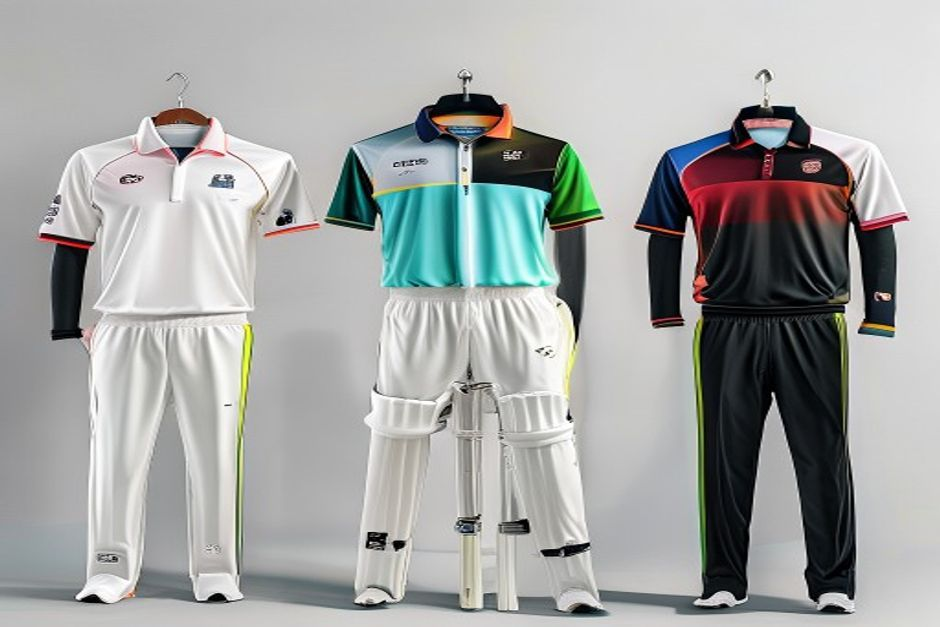
Better cricket kits are becoming less noisy, not more. The strongest 2026 directions combine cleaner front-of-jersey hierarchy, sharper trim, and more connected teamwear systems that can scale from academy squads to senior club programs.
Direction
Cleaner kits
Theme
Controlled color
Range Logic
System builds
Fit
Club identity
Short Answer
The strongest cricket kits in 2026 feel more disciplined. They reduce front-panel clutter, sharpen trim details, and connect the match jersey to the rest of the teamwear range. For clubs still deciding how the kit should actually be built, pair this trend report with our sublimation vs cut-and-sew cricket kits guide.
What Buyers Should Notice First
- Supporters and academy parents now read a kit as part of a club identity system, not just a match-day uniform.
- Recent official team kit launches continue to favor lightweight polyester builds, cleaner chest hierarchy, and polished trim details rather than chaotic over-design.
- A better trend brief reduces waste because the buyer approves one clear visual direction before sampling multiple teams or age groups.
Four Directions Worth Following
| Trend | What It Looks Like | Why Buyers Care |
|---|---|---|
| Cleaner sponsor integration | Fewer sponsor boxes fighting for space, more controlled front layouts, and stronger hierarchy between crest, sponsor, and number zones. | This makes approval easier and reduces visual clutter on youth and academy programs. |
| Heritage whites with subtle contrast | Traditional white bases with restrained piping, navy or bottle-green trim, and sharper collar construction. | A strong route for clubs that want a premium look without going fully retro or fully fashion-led. |
| Color-block match kits | Bolder shoulder panels, diagonal fades, and better use of side-panel contrast instead of random all-over patterning. | Works best when the artwork system is controlled through sublimation, not layered add-ons. |
| Coordinated training systems | Match jersey, training top, quarter-zip, and presentation polo sharing one visual language. | Academies increasingly buy ranges, not single SKUs, so the assortment has to feel connected. |
Why Cleaner Hierarchy Is Winning
Many club kits used to chase novelty by stacking gradients, extra sleeve messages, and too many competing sponsor zones into one front panel. That approach ages badly and becomes hard to extend across juniors, seniors, and academy training ranges. A cleaner hierarchy holds up better in photos, looks more premium in person, and is easier to approve in production.
This is not a call for boring design. It is a call for disciplined design: one lead sponsor zone, one clear crest zone, one logical number system, and trim that supports the club identity instead of fighting it.
Academies Need Systems, Not One-Off Jerseys
The academy buyer is rarely sourcing just one match jersey anymore. They often need a coordinated system: match top, training top, quarter-zip, presentation polo, and sometimes a staff piece that still belongs to the same visual family. That is why trend direction now has to work across an assortment, not only on one front panel.
If the club is extending one design across multiple age groups, sample approval should also be tied to size-set approval. Our academy size-set guide explains how to do that before bulk production locks in the wrong grading decisions.
Buyer Checklist Before You Brief the Artwork
Choose whether the visual anchor is heritage, modern performance, or academy-friendly training polish.
Limit the number of competing front-of-jersey messages before you start artwork development.
Carry one trim logic across jerseys, trousers, and warm-up tops so the range feels intentional.
Use one approved color benchmark for every team extension to avoid drift between age groups.
Map where sublimation is necessary and where panel-based cut-and-sew detail is enough.
When this checklist is done well, the factory can build a sharper first sample with less artwork drift and fewer late-stage trim changes. Clubs that are already at the sample stage can route straight into our cricket jersey sourcing guide for the full production workflow.
Quick Facts
What are the main cricket kit design trends for 2026?
The main directions are cleaner sponsor integration, sharper collars and trim, more controlled color-blocking, and coordinated teamwear systems that connect match jerseys with training tops and presentation pieces.
Why are clubs moving away from overloaded graphics?
Because cleaner hierarchy makes the kit easier to read, more premium on photos, and easier to extend across juniors, seniors, and academy groups without constant redesign.
Do heritage whites still matter?
Yes. Traditional whites remain commercially relevant, but they are being updated with better collars, smarter piping, and more disciplined trim rather than loud decoration.
How should academies think about trend direction?
Academies should prioritize consistency and longevity over novelty. The trend should help the club look organized across multiple age groups, not force a redesign every season.
Does trend direction affect production method?
Yes. Gradient-heavy and sponsor-led match kits usually point to sublimation, while cleaner heritage and training pieces can often rely more on cut-and-sew panel logic.
Can Sialkot Sample Masters develop trend-led cricket kits at low MOQ?
Yes. SSM supports 50-piece MOQ development, sample-first approval, and low-volume pilot runs that let clubs test a direction before scaling to a wider season program.
Need a Cricket Kit Range That Looks More Organized?
Share your current kit, target buyer, and next-season direction. SSM can help translate the trend into a sample-ready range with low-MOQ development, trim discipline, and export-ready execution.